


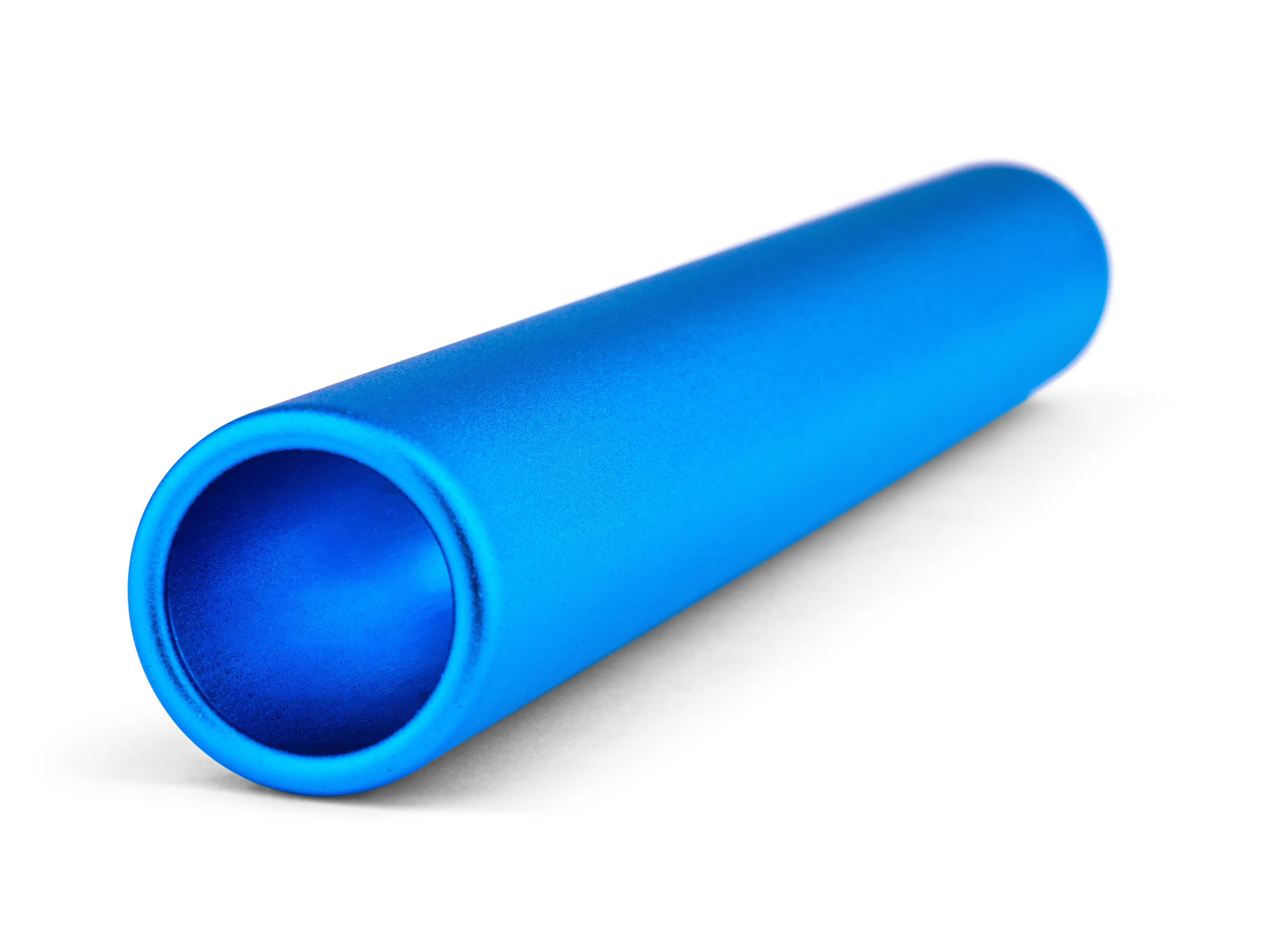
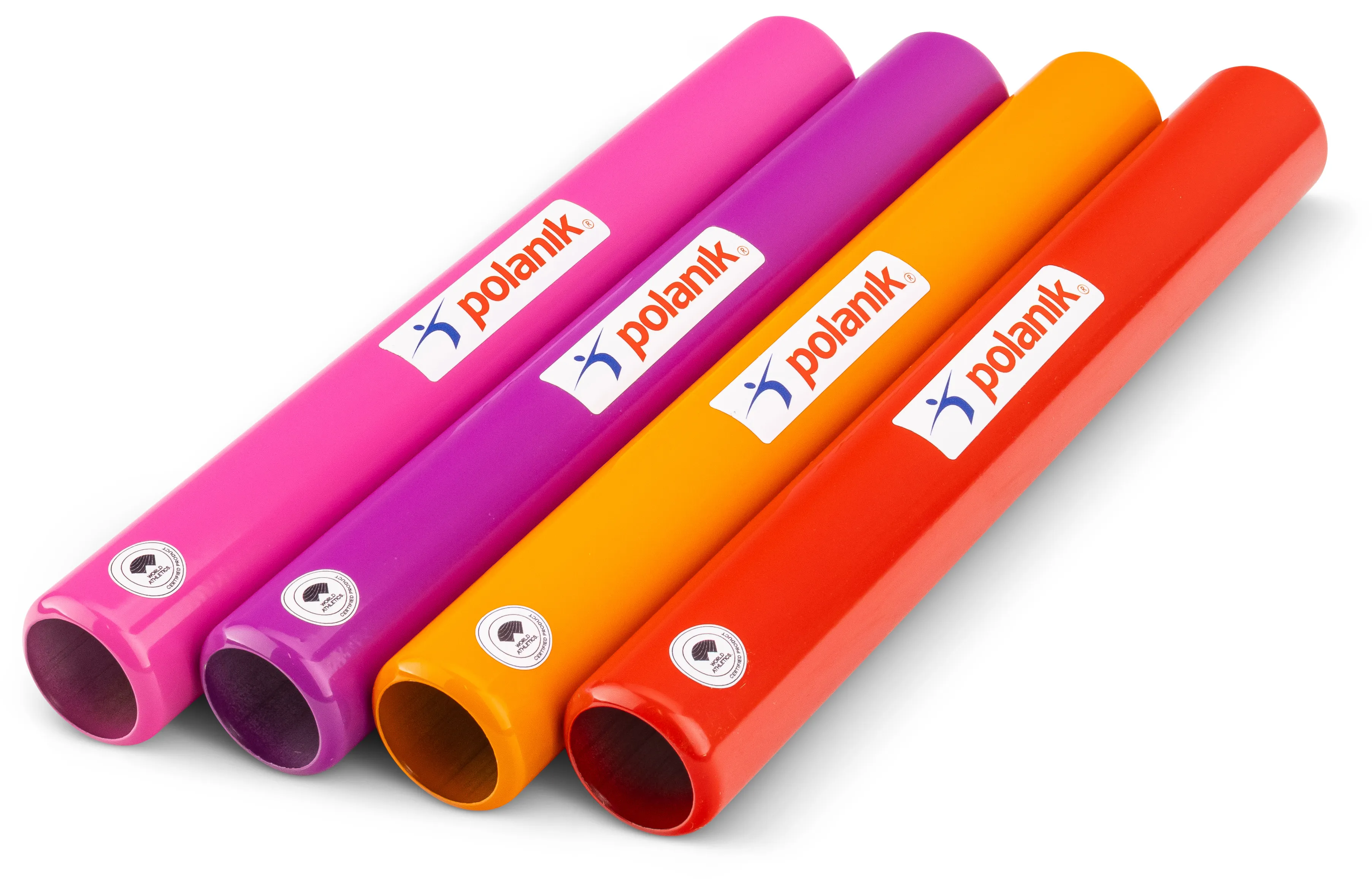
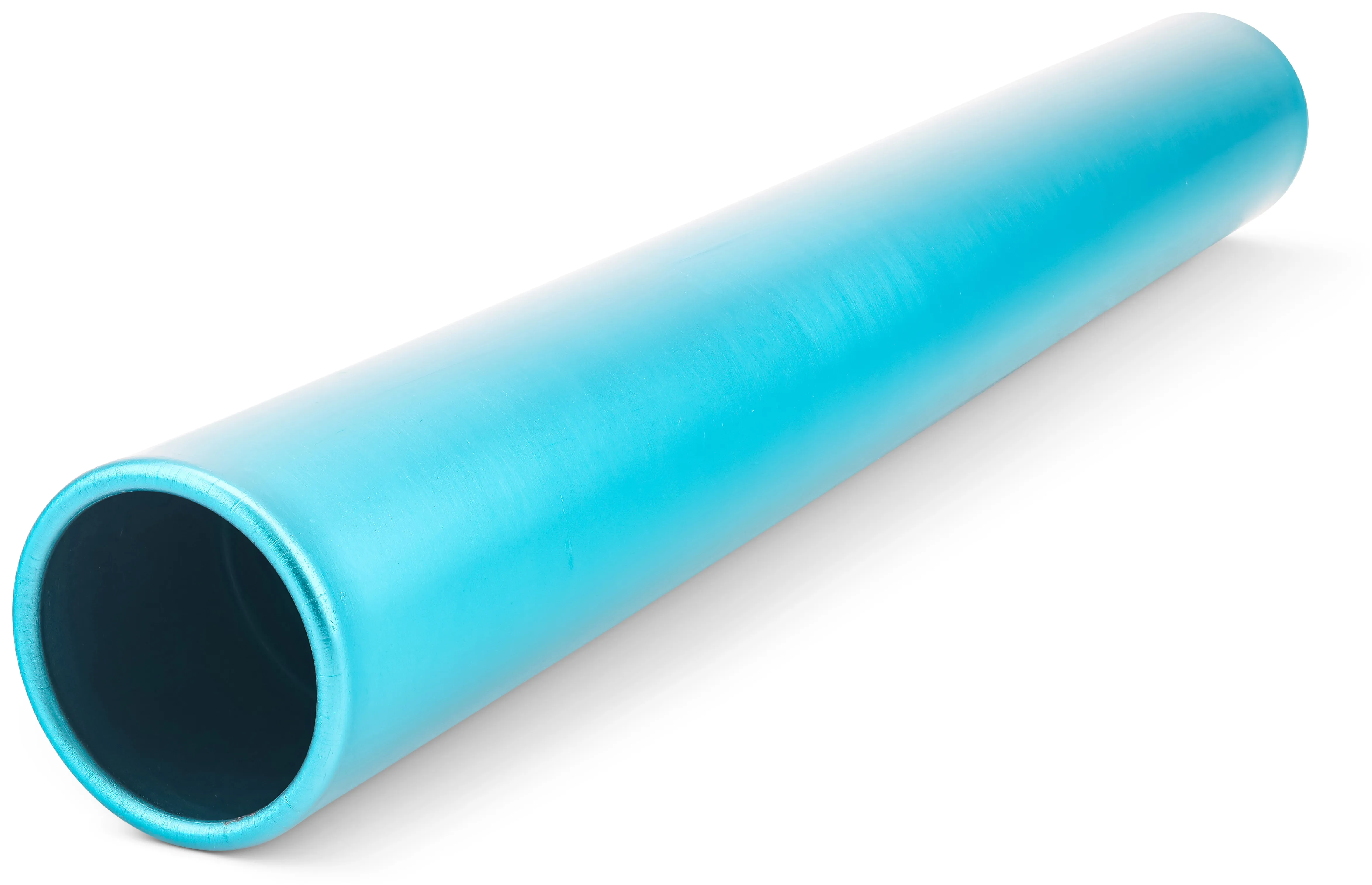
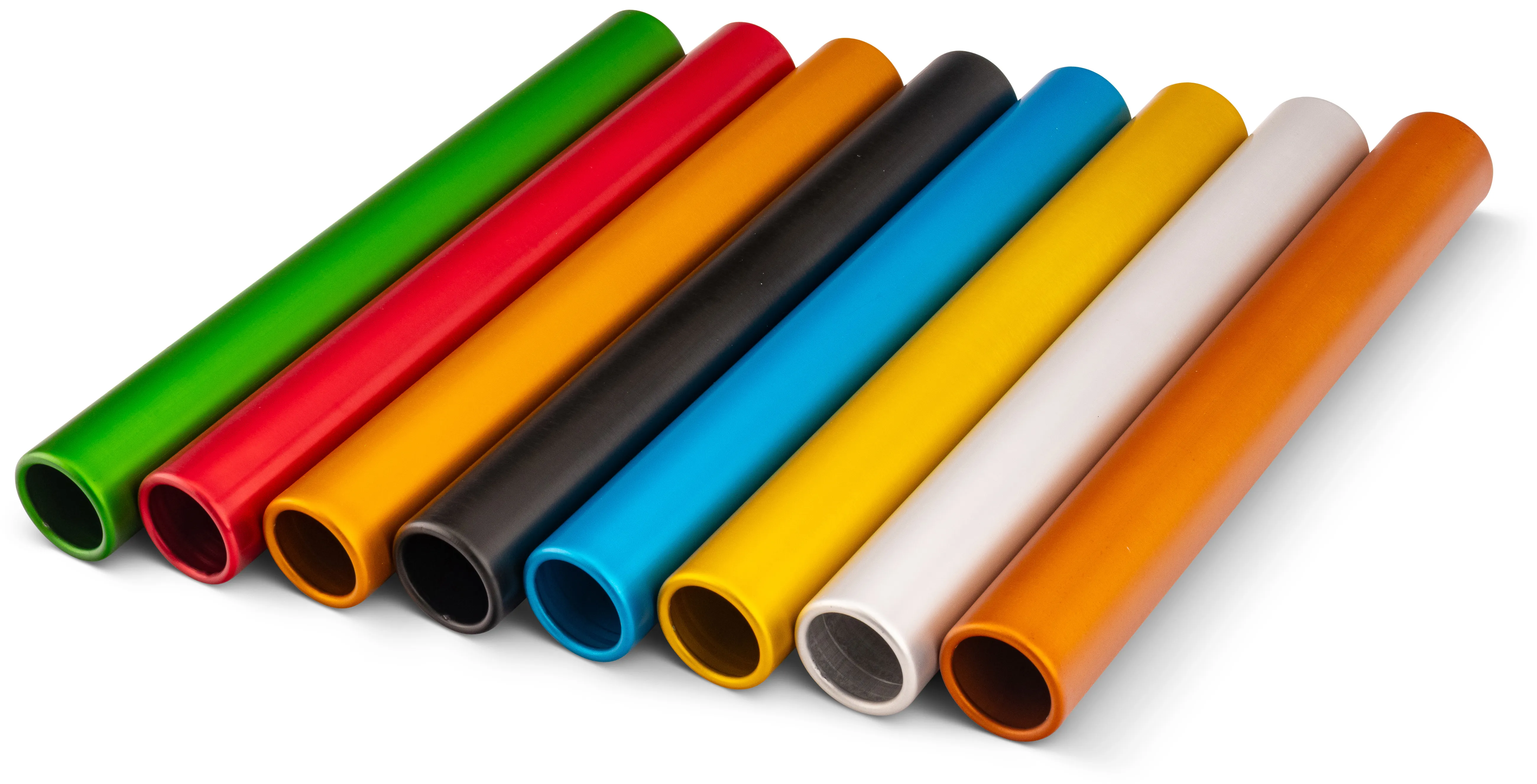
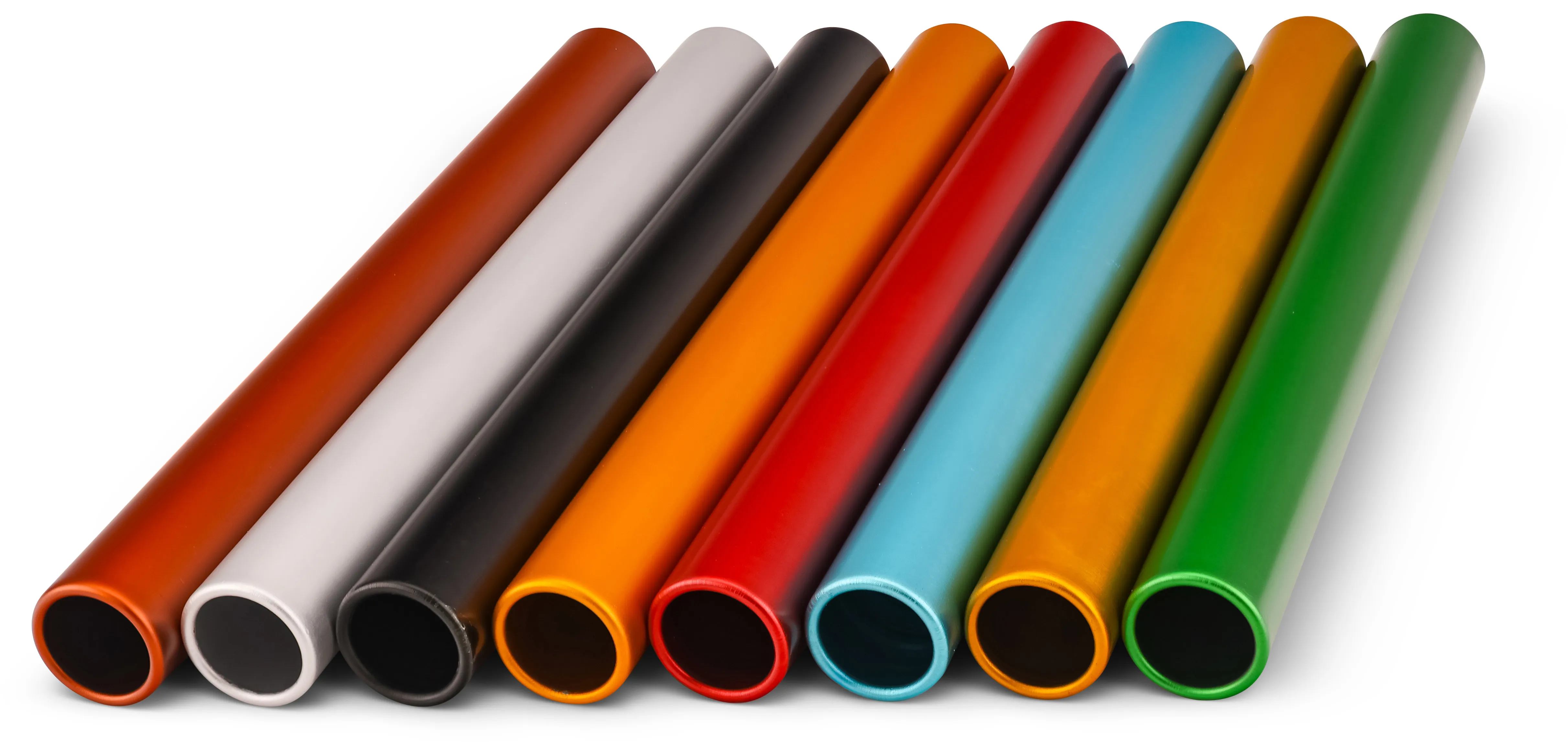
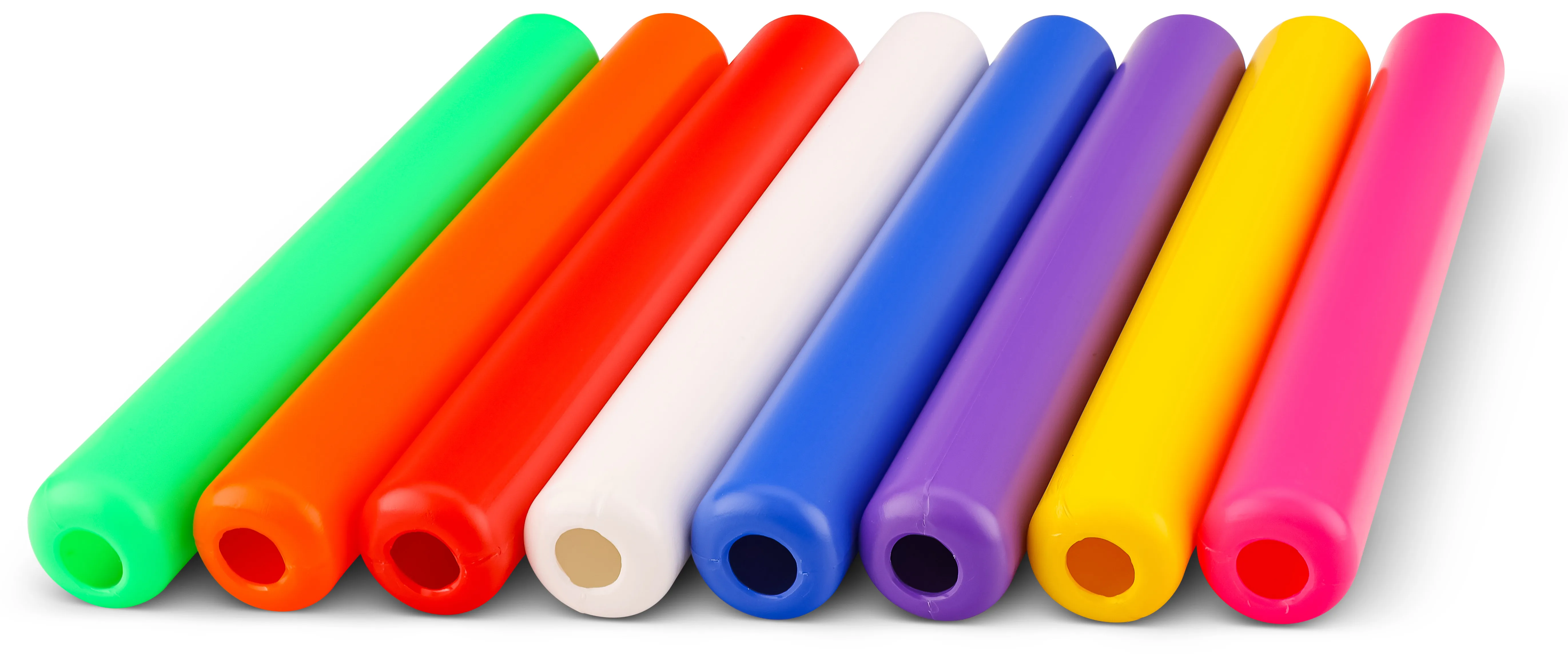
At Full Athletics, we offer a wide variety of relay batons in different designs and made from different materials. They are suitable for competitions and school sports and come in two categories: adult (senior) and children (junior). Available in a rainbow of colors, including red, orange, gold, silver, green, blue, purple, black, and bronze, you can also choose between the
aluminum model or ones made from synthetic material. The batons can be purchased individually or as a part of a set and come in two different diameters: 32 mm (c. 1.26 inches) or 38 mm (c. 1.50 inches). With our high-quality engraving service, our relay batons also make a great marketing tool or gift. To buying guide »


Discover more products for better sprint training



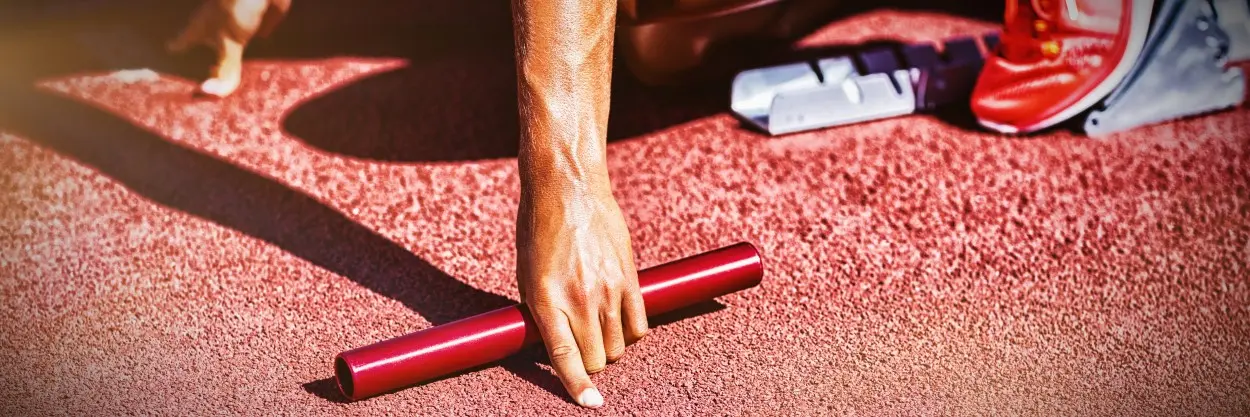
How does a relay race work?
The relay race is the only team sport in the world of individual competitive athletics. The race consists of four athletes and one relay baton. Each athlete must run their segment of the track before handing the baton to the next athlete on their team . The passing of the baton must take place in the specially designated change-over area . If the change-over takes place outside of this area, the team risks accruing a change-over fault and will likely be disqualified.
If the baton is dropped, it may only be picked up again by the runner themselves. The race has a starting block start, in keeping with other competitions of this discipline. Relays are held at international competitions in the following distances: 4 × 100 m, 4 × 200 m, 4 × 400 m, 4 × 800 m, 4 × 1500 m, as a Swedish relay (100 m - 200 m - 300 m - 400 m) or as a distance medley relay (1200 m - 400 m - 800 m - 1600 m). The Olympic Games include the 4 × 100 m and the 4 × 400 m relay. School groups tend to do relays of shorter distances so that a 100 m relay segment is reduced to only 50 or 75 m.
International Specifications for Relay Batons
Competition relay batons with a diameter of 38 mm (c. 1.50 inches) (also known as senior batons) have been approved for use in adult competitions. Junior batons, with a diameter of 32 mm, (or c. 1.26 inches) do not require official approval.


Relay batons in competitive events must comply with the following regulations: they must be a smooth, hollow tube with a round profile and constructed from wood, metal, or another solid kind of material. They must be created from one single piece of material and be no longer than 30 cm (c. 11.81 inches) and no shorter than 28 cm (c. 11.02 inches). The baton's circumference must be between 12 cm (c. 4.72 inches) and 13 cm (c. 5.12 inches) and may not weigh less than 50 g (c. 0.11 lbs/1.76 ounces).
The batons are certified by World Athletics, the umbrella organization for all national athletics federations, and comply with competition regulations. Junior relay batons have a diameter of 32 mm (or c. 1.26 inches), while senior batons have a diameter of 38 mm (c. 1.50 inches). Full Athletics only provides senior relay batons that are suitable for competitions.


What is the difference between a junior and a senior relay baton?
Standard relay batons for use in competitions are otherwise referred to as senior batons. But don't let their name deceive you. Senior batons are suitable for athletes of any age to use in competitions. Junior relay batons are available for kids' athletics competitions and training. These have a smaller diameter of 32 mm (c. 1.26 inches) compared to the regular, or senior, baton with a diameter of 38 mm (c. 1.50 inches).
Certification and Other Features of the Relay Baton
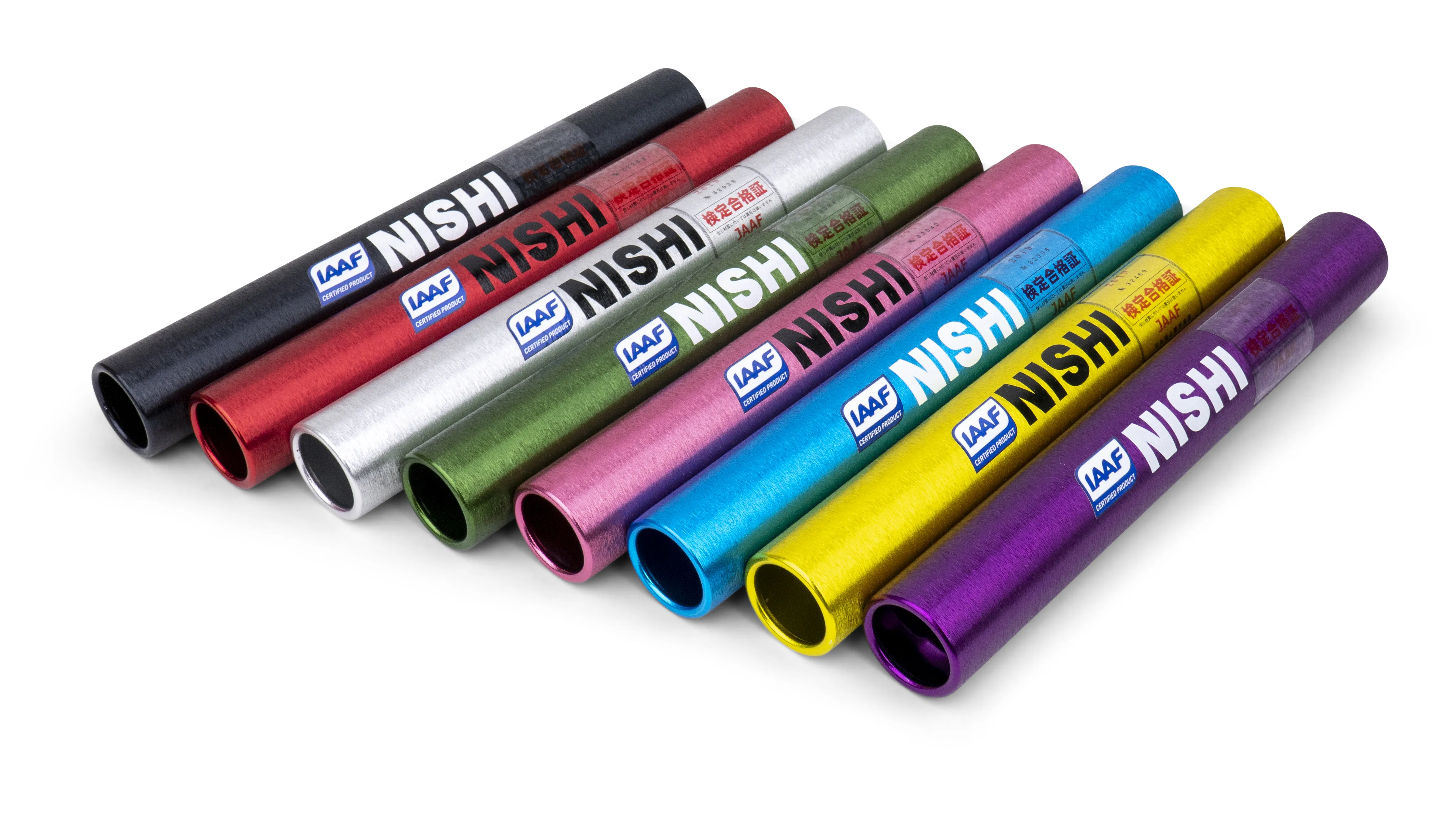
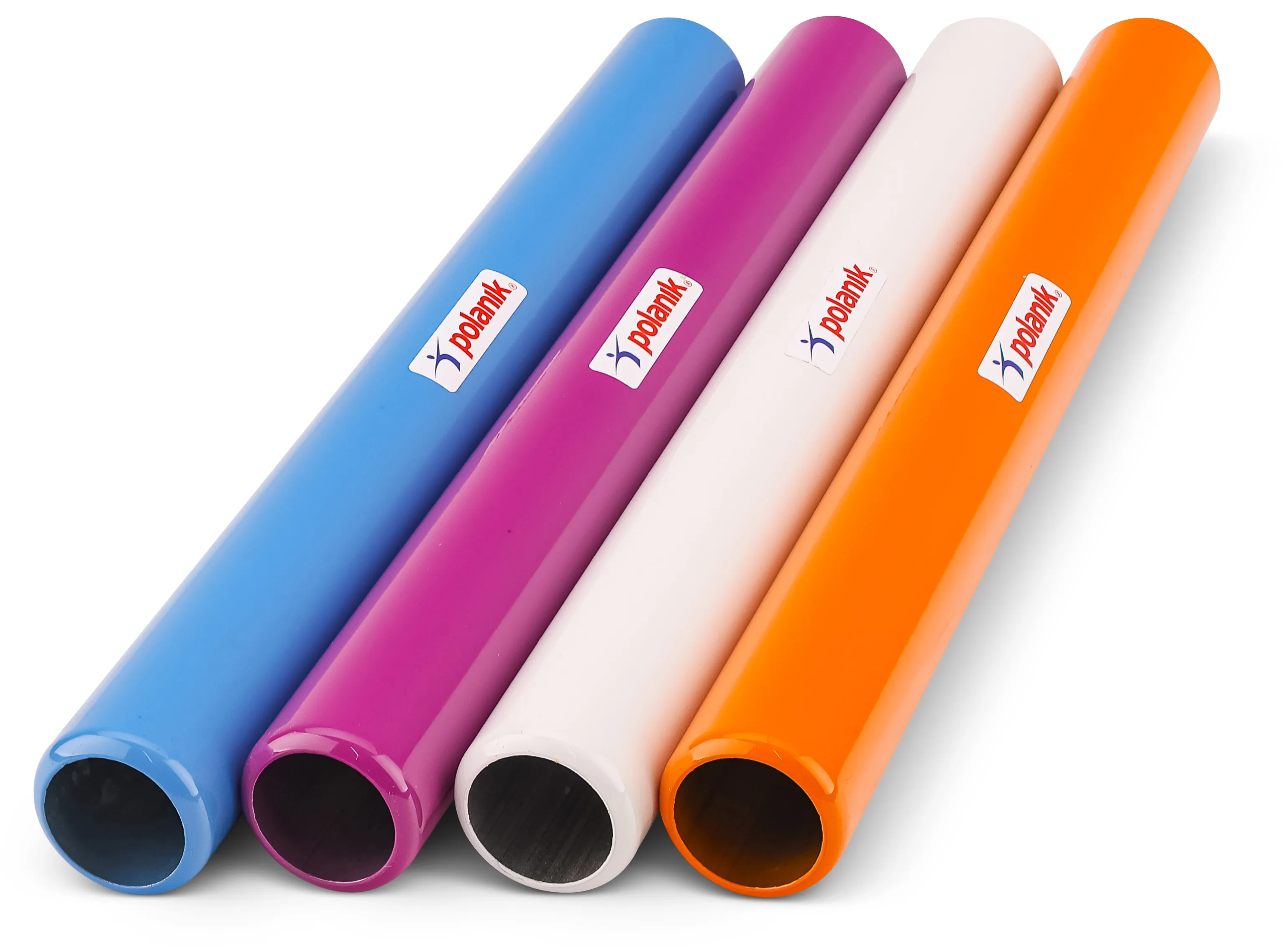
We offer high-quality relay batons made from aluminum or synthetic material, from manufacturers Polanik, trenas, Vinex, and Nishi. All relay batons for adults are certified for use in all competitions. Those for children require no form of certification. Certifications include the following:
- DLV: German Athletics Federation
- FFA: Fédération Française d’Athlétisme (French Athletics Federation)
- FIDAL: Federazione Italiana di Atletica Leggera (the umbrella organization for athletics in Italy)
- PZLA: Polish Athletic Association
- RFEA: Real Federación Española de Atletismo (Royal Spanish Athletics Federation)
- UKA: UK Athletics
- USATF USA Track & Field National Governing Body for track and field, long-distance running, and race walking in the United States
- WA: World Athletics; formerly known as the International Association of Athletics Federation (IAAF) and is the umbrella organization for all national athletic associations
Laser Engraving for Relay Batons
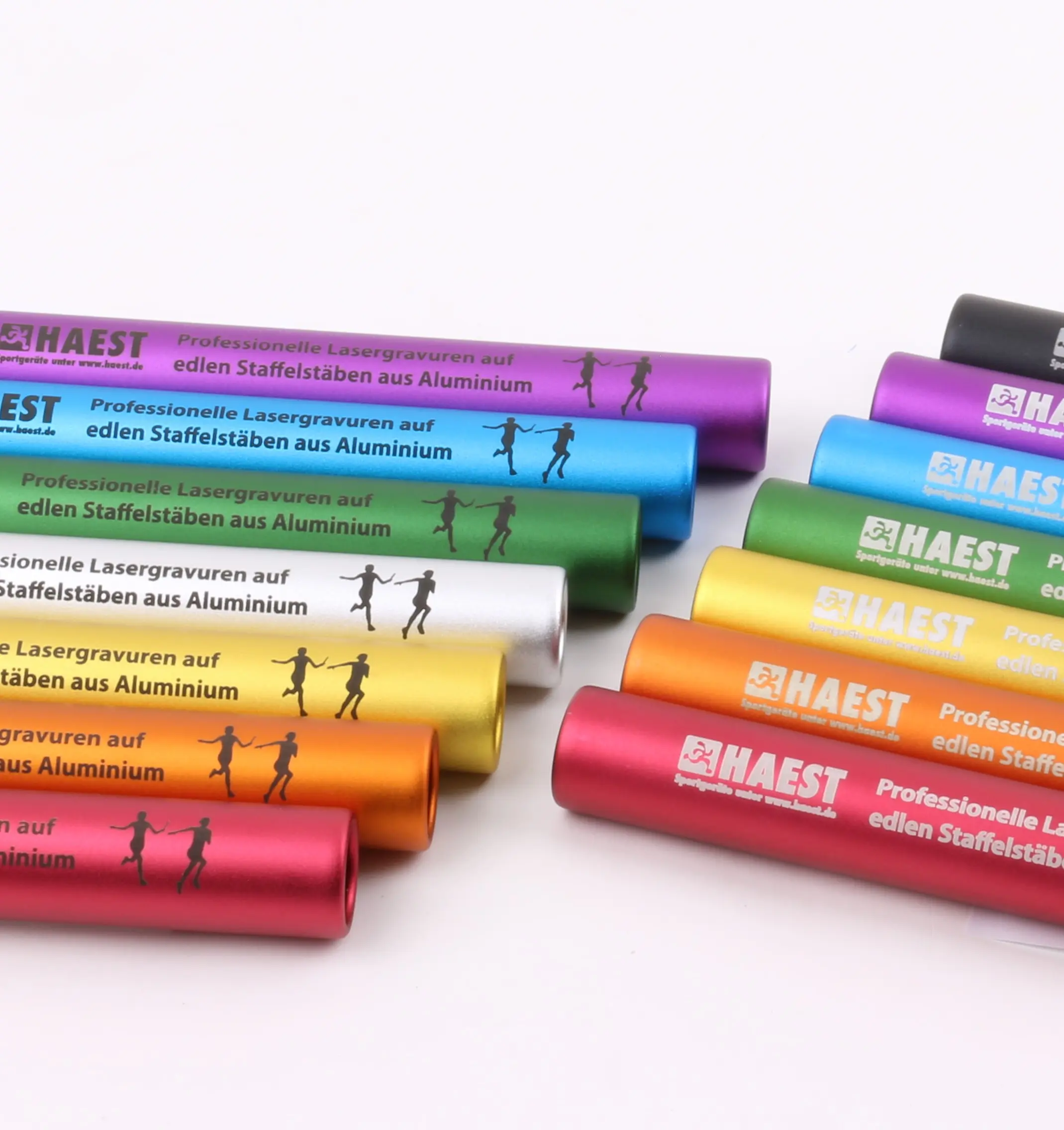
Relay batons from trenas and Vinex can be decorated with a laser engraving.
These relay batons are made from high-quality anodized aluminum, and provide the perfect conditions upon which to add a design or branding. We offer the choice between a lighter or a darker engraving color. Please be aware, there should be a good contrast of colors for the engraving to be legible. The darker your choice of relay baton color, the lighter the color of the engraving, and vice versa. We are happy to help when making your selection so that you can present an engraved baton as a symbolic gift at any kind of ceremony.
FAQ
How does the relay change-over work?
The passing of the baton between two athletes must take place in the designated change-over area. The athlete preparing to take the baton must match the speed of the athlete coming toward him. This helps prevent many of the problems associated with the change-over. There are three different types of change-over: the outside pass, the inside pass, and the mixed pass. When performing an outside pass, the athlete holding the baton takes it in his left hand and approaches the next athlete on their right-hand side. He passes the baton into the right hand, or outer side, of the teammate. The inside pass is the opposite. The approaching athlete nears his teammate on the left side and hands over the baton to their left hand. The mixed pass is a combination of these two techniques.
Are junior relay batons certified for competitions?
Relay batons must have a diameter of at least 38 mm (c. 1.50 inches) to be allowed for competition use. With a diameter of 32 mm only, junior batons do not meet these requirements and cannot be used. Senior batons are suitable for use in competitions.
In which colors are relay batons available?
We offer a wide variety of colors including black, blue, bronze, gold, green, orange, purple, red, and silver. Alongside individual relay batons, we also offer a variety of sets in assorted colors.