


Did you know that discus throwing is one of the oldest disciplines in the field of athletics? It made its first appearance at the Olympic Games in Athens in 1896. But enough with the facts. You're here because you're looking for new equipment for your favorite sport. To be successful in this discipline, having the
physical strength and skill is essential, but so too is using the right discus. Do you already have the skill and strength? If so, you're sure to find the right discus for your needs right here. You'll find many accessories for this discipline in our online store as well. To buying guide »
Discover other products for other throwing disciplines


What is the difference between a schlagball and a throwing ball?
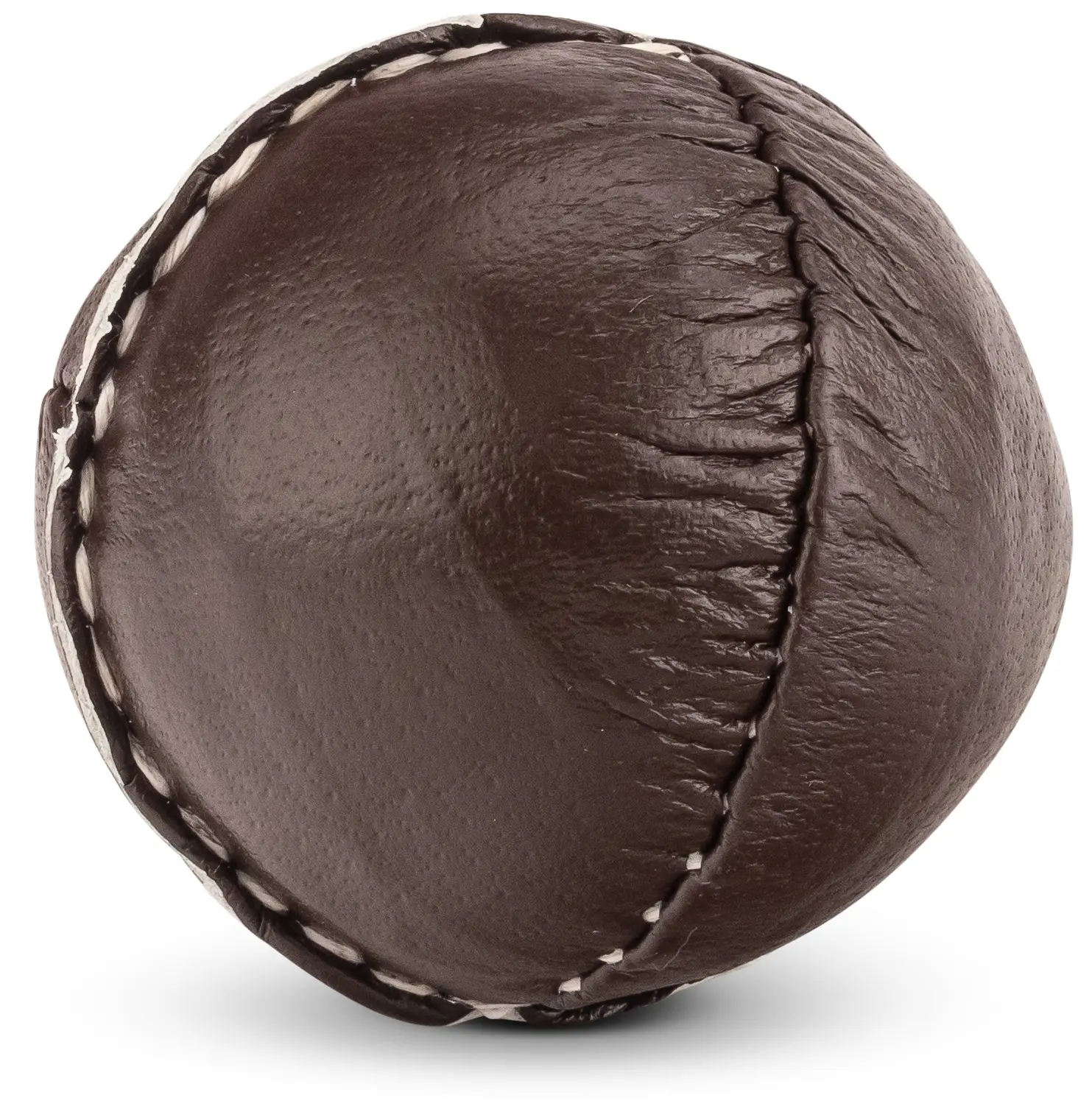
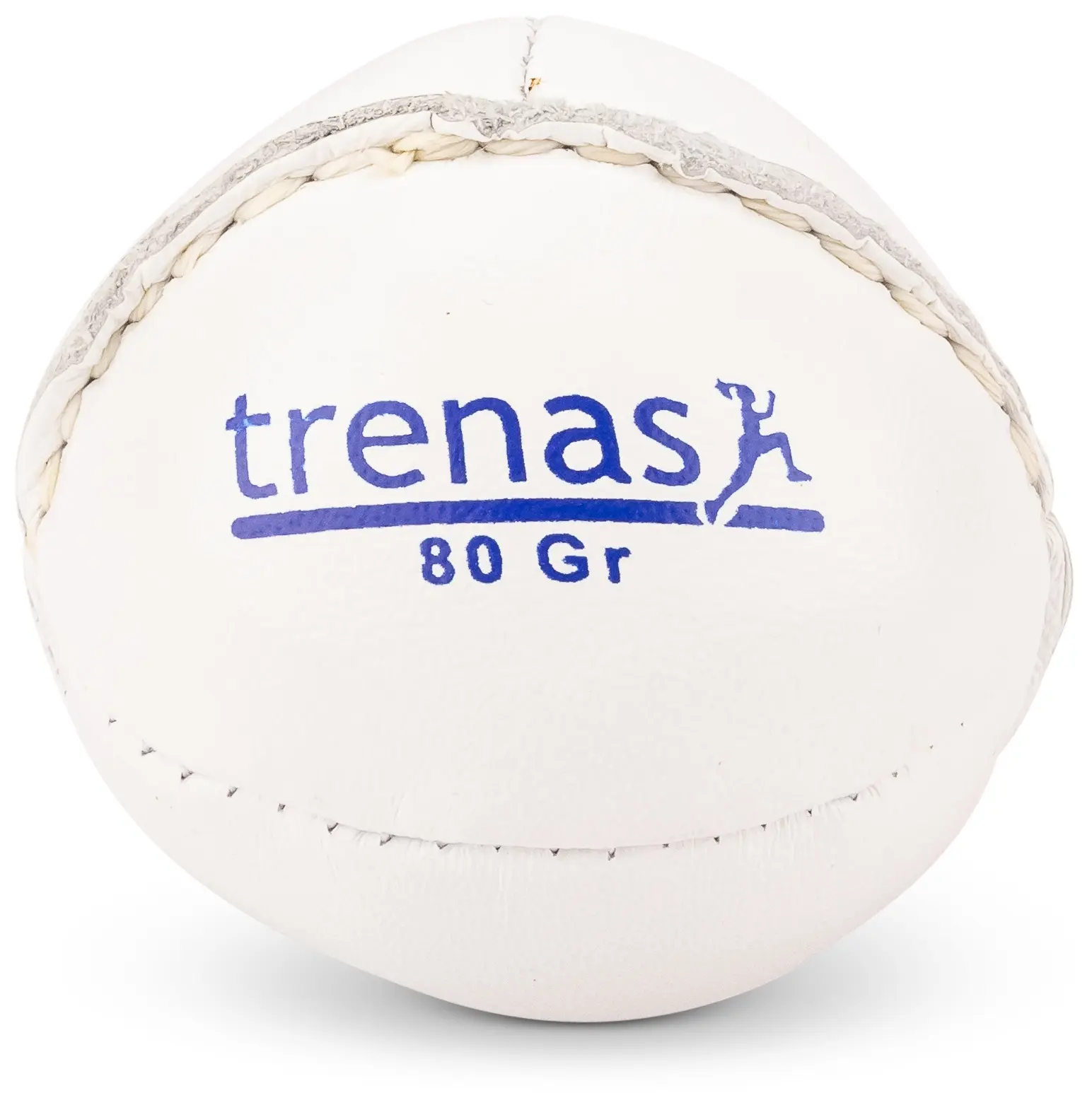
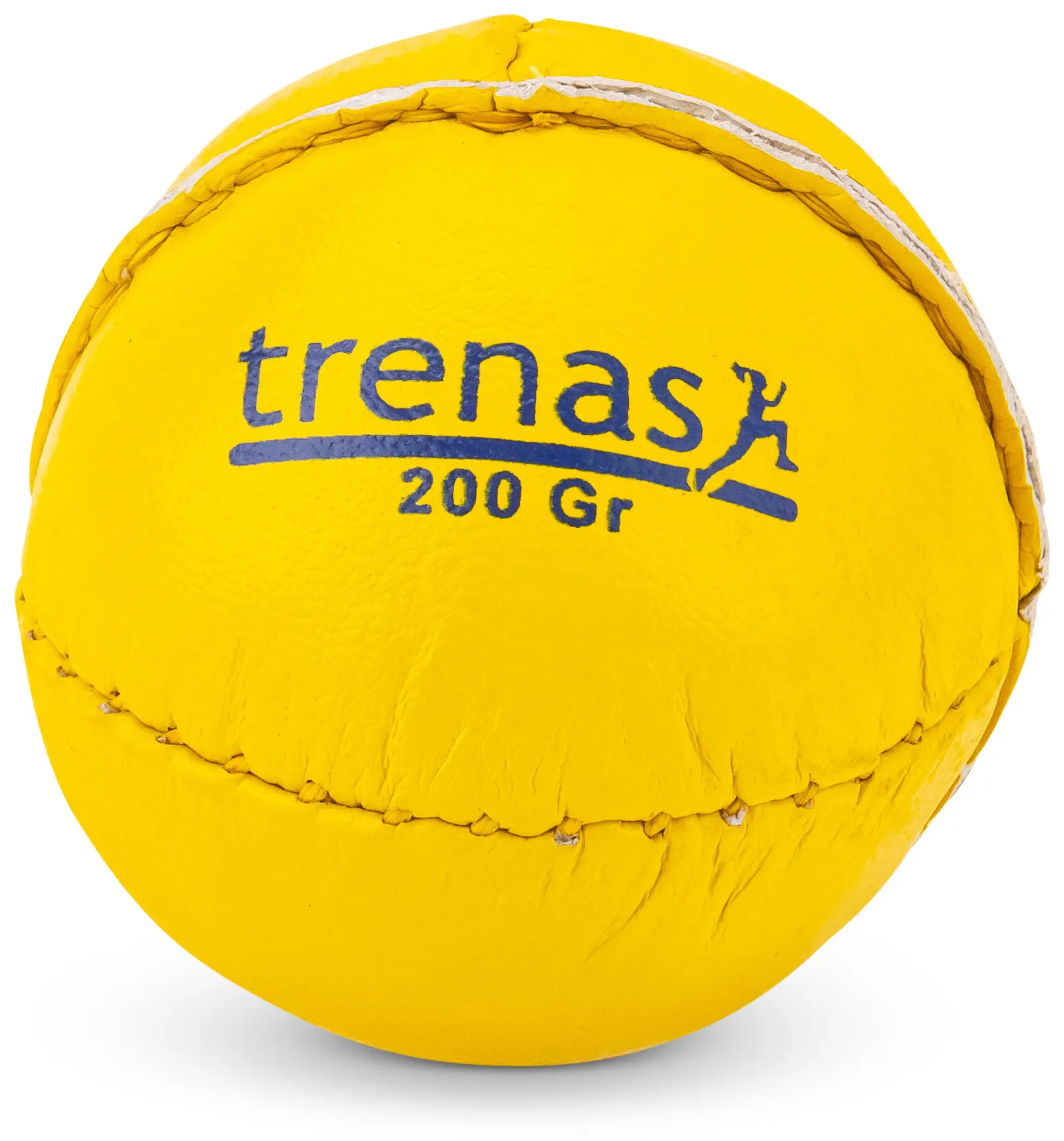
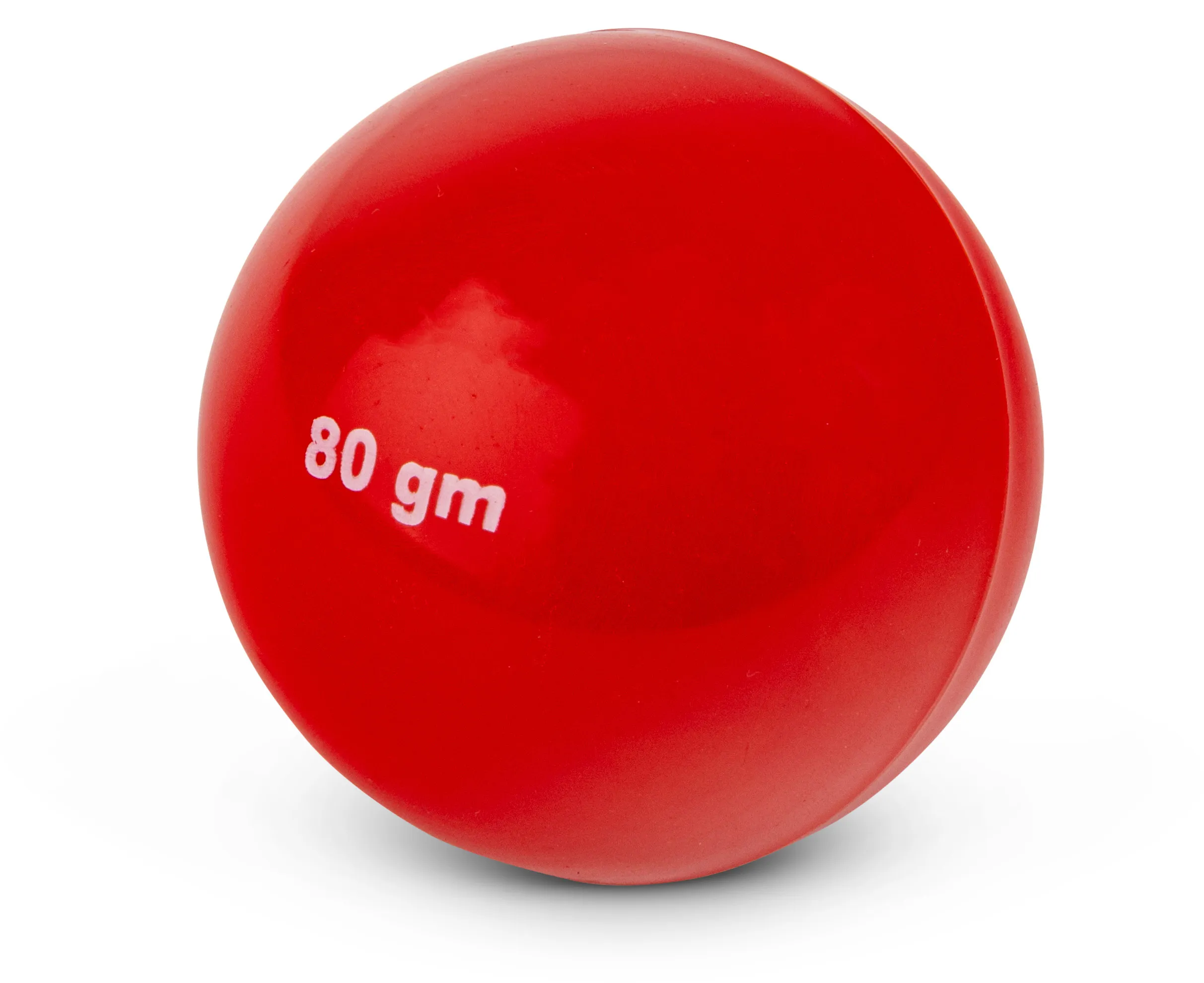
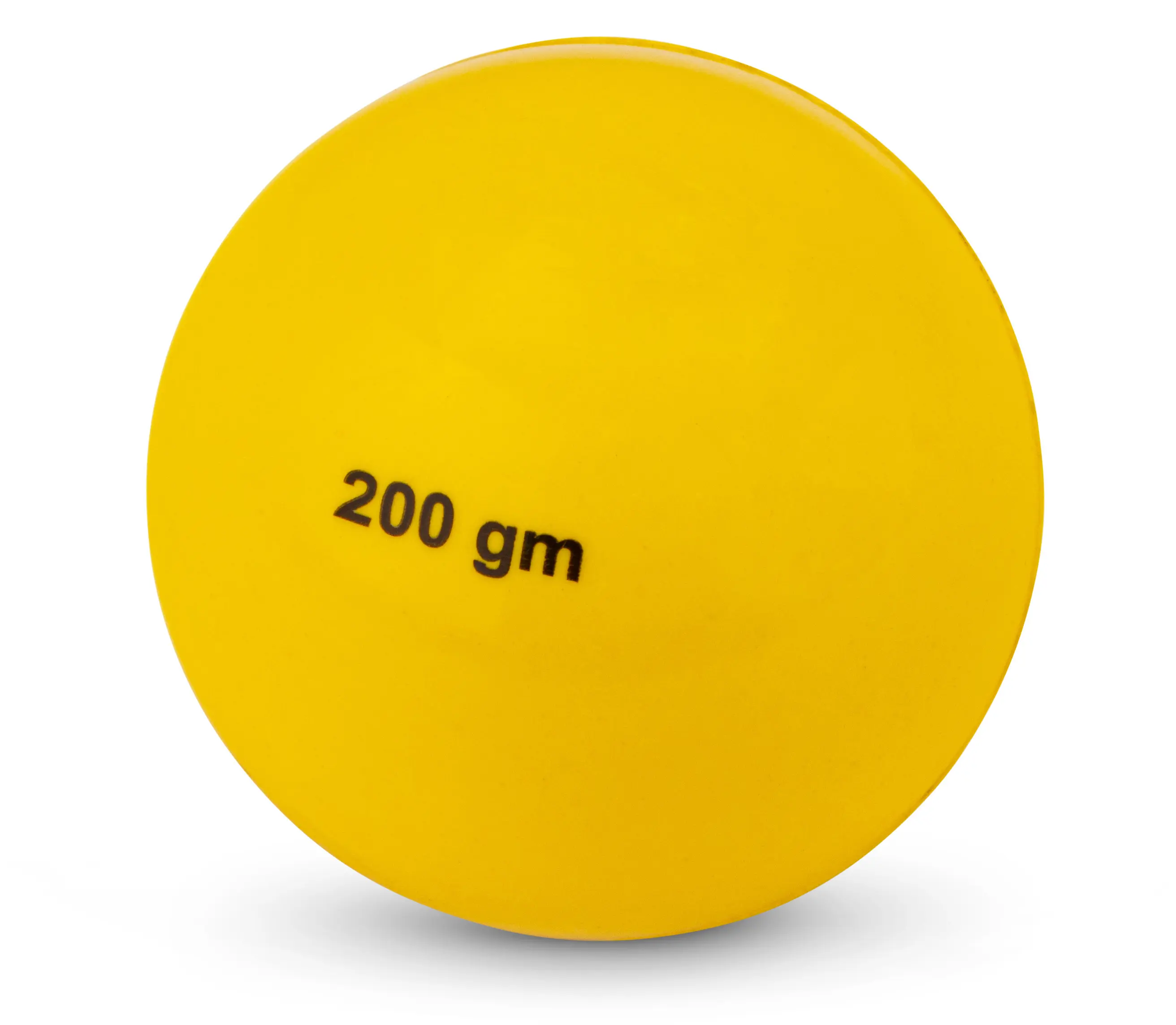
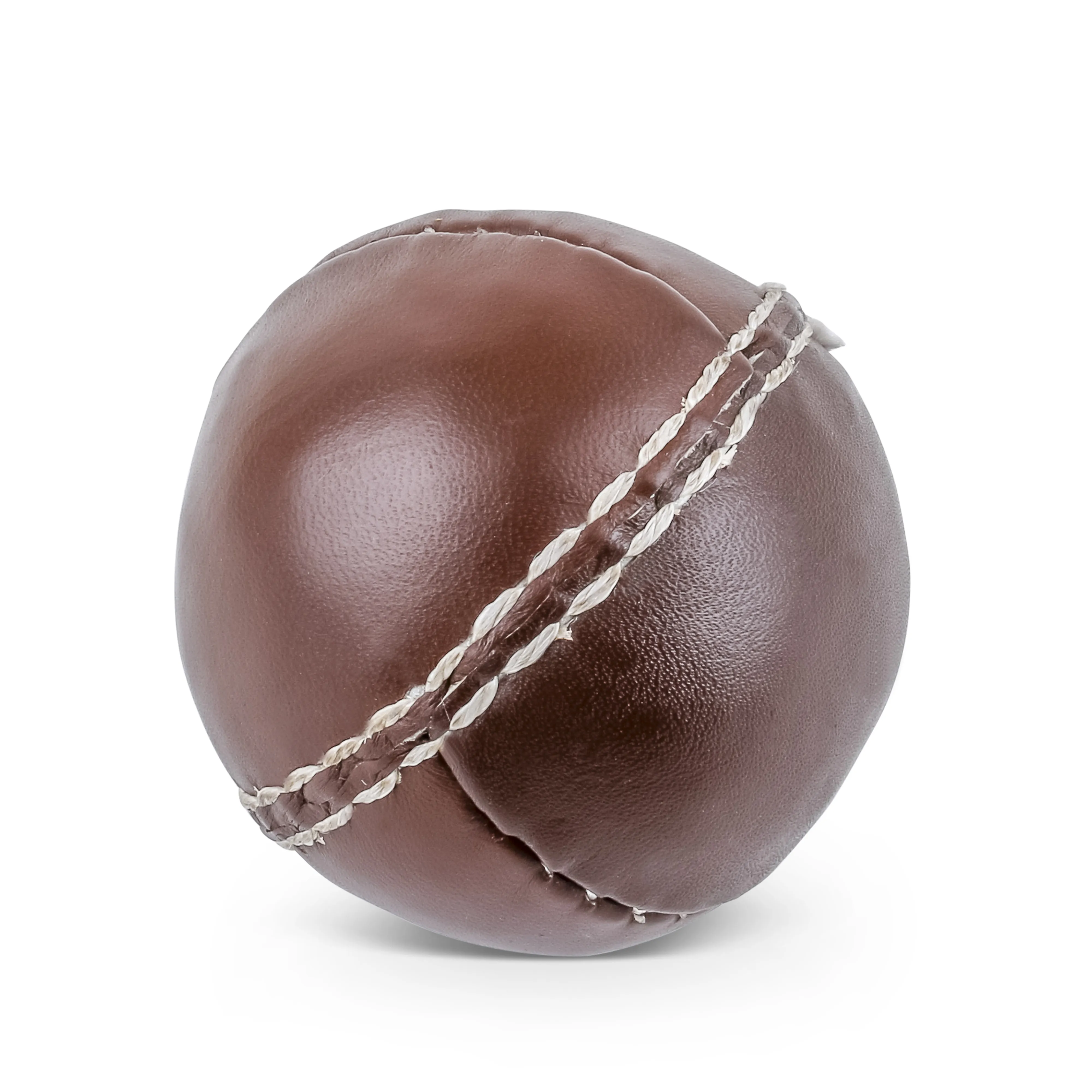
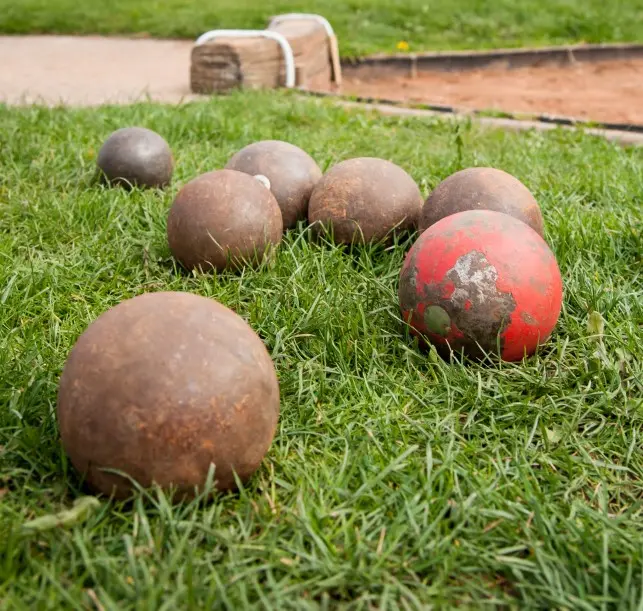
The Deutscher Leichtathletik-Verband (DLV), or German Athletics Federation has determined schlagballs to have a weight of 80 g (0.18 lbs) or more. Typical throwing balls usually weigh around 200 g (0.44 lbs). The names of these balls are often used interchangeably, but this is not really an issue. Simply weighing the ball will determine which of the categories it falls under: schlagball or a throwing ball. We make sure to use the correct name for our balls when describing them in our online store.
The rules contain a weight tolerance for balls, however, meaning that in actuality a schlagball can weigh anywhere between 70 and 85 g (0.15 - 0.19 lbs) and a throwing ball between 190 and 210 g (0.42 - 0.46 lbs).
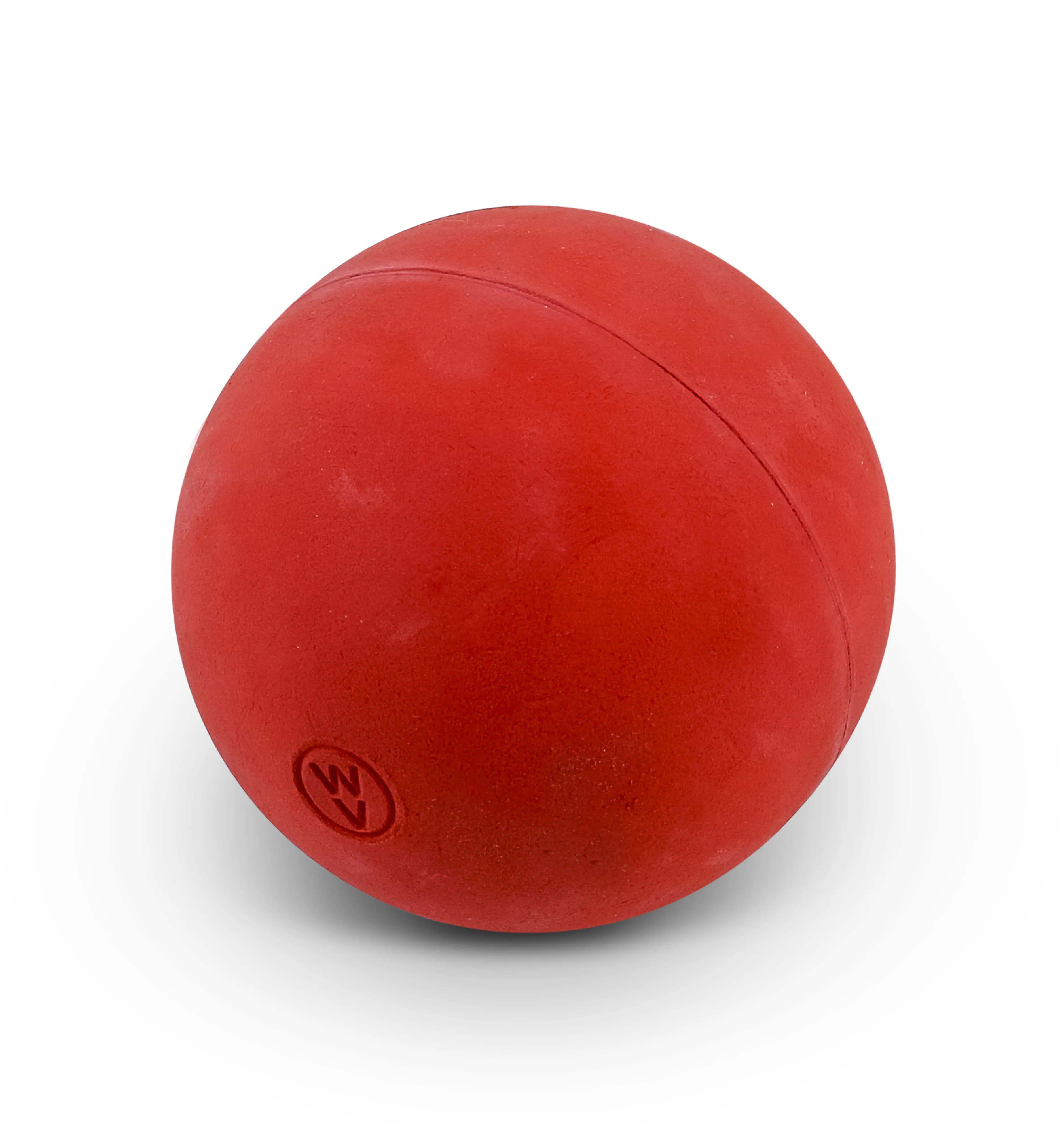
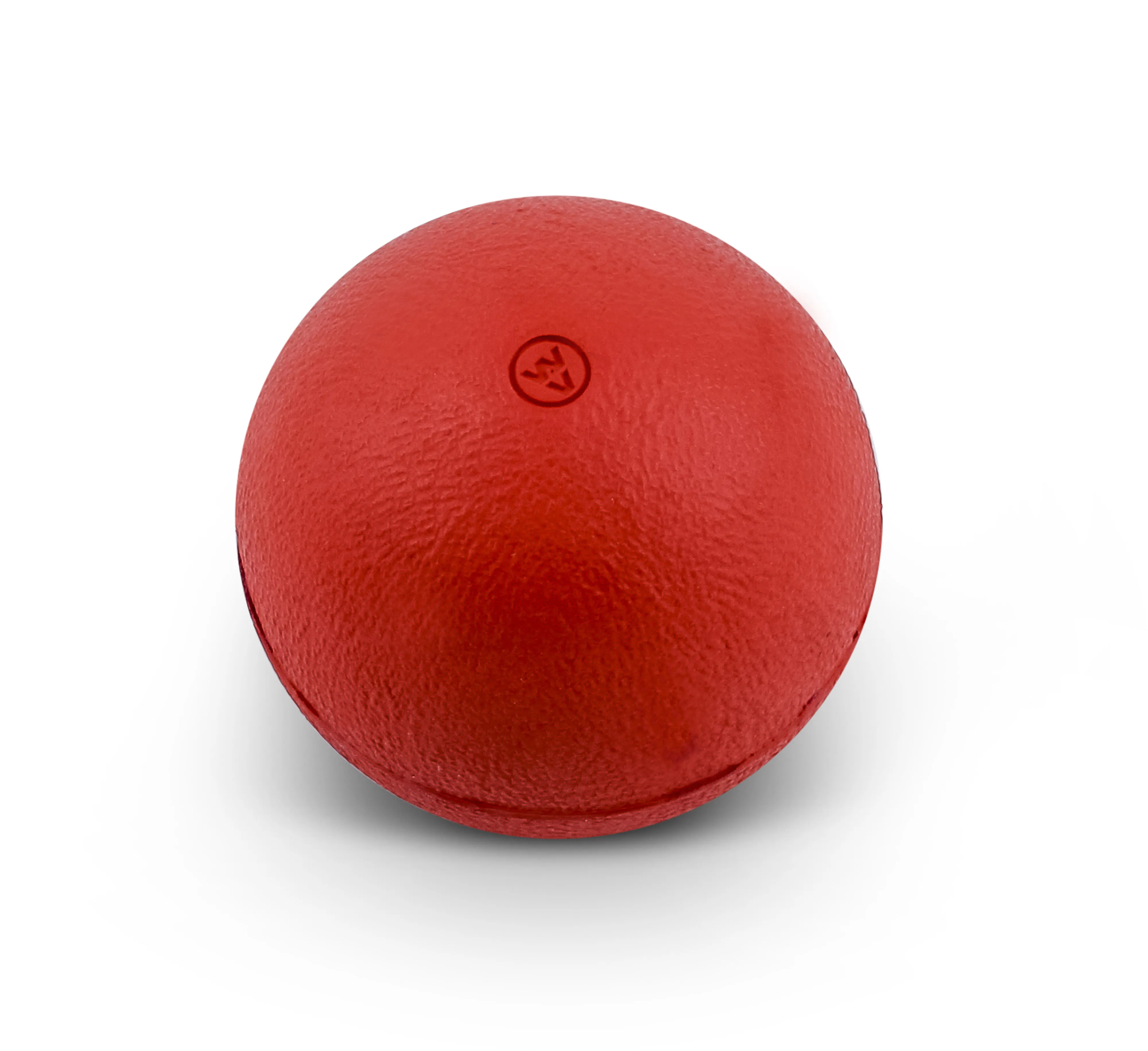
Schlagballs are typically made from leather while throwing balls are made from rubber. Throwing balls can be both bouncy and non-bouncy.
Buying Guide: The Right Discus for Your Athletics Career
Schlagballs are available in a variety of different materials. Schlagballs made in the classic leather style are a definite favorite. They are easy to grip and fit nicely in the hand, thereby significantly influencing the distance in which an athlete is able to throw. Balls made from rubber and synthetic materials with an accurate round profile also have their advantages. Our solid plastic balls have a perfect center of gravity, which also has a favorable effect on the throwing distance.
Our WV schlagballs and throwing balls made from rubber have a smooth rounded outer surface making them nice to hold and easy to grip. They are packed with sand and are not completely filled. Leather balls must be stored under dry conditions as they are unable to cope with dampness. Balls made from solid plastic and rubber are fully water-resistant. They require a wipe only and are ready for action!
| Material | Grip | Center of gravity | Durability |
|---|---|---|---|
| Solid plastic | Good | Excellent | Very good |
| Rubber with sand filling | Very good | Very good | Very good |
| Leather with mixed filling | Excellent | Good | Good |
Galvanized Steel, Stainless Steel, or Brass - The Material Question
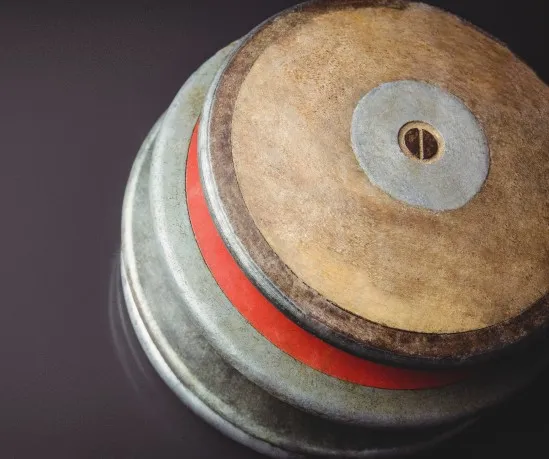
Competition discuses, and most training discuses have a ring made from galvanized steel, stainless steel, or brass. Galvanized steel rings offer a stable discus at an affordable price but these will begin to rust at some point. This does have its advantage, however. Rust will make the discus easier to grip. If you're looking for a ring that will not rust, take a look at our stainless steel or brass options.
Throwing in Triathlon and Quadrathlon Events
Ball-throwing is an important discipline in individual and team competitions. Often, multi-disciplinary competitions are won or lost on the ball-throwing field, with ball-throwing decisively influencing the outcome of triathlon and quadrathlon events. A good performance in a ball-throwing event can help an athlete tighten the gap between themselves and their competitors, or even move further ahead.

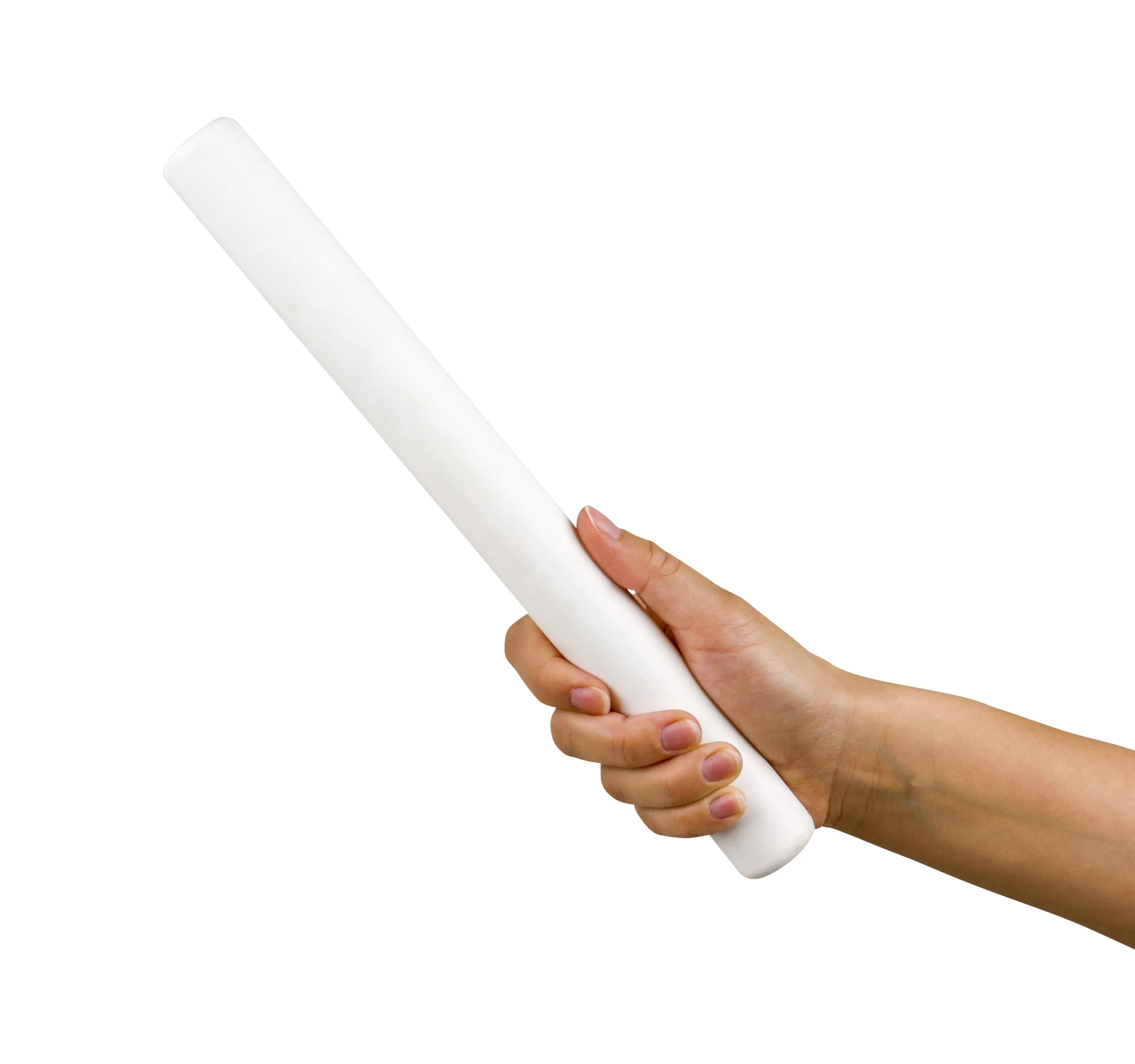
Throwing Sticks as Training Equipment
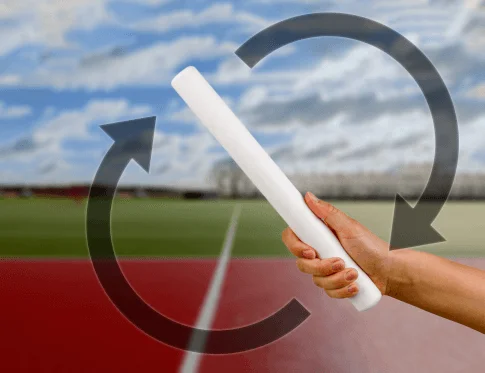
Our throwing sticks are a great piece of training equipment to supplement our range of balls. These throwing sticks are made from rubber and weigh approximately 300 g (0.66 lbs). They are useful pieces of training equipment that can help to improve the throwing technique of an athlete. For example, when pitching a throwing stick, you can see the way the object flies through the air, the way it rotates, and how your hand moves when performing these motions. This can all aid in the bettering of your throw.
Our tip to help perfect your throwing technique:
Using tape, stick a contrasting cross on the discus. Use lighter tape for a darker discus and darker tape for a lighter-colored discus. By studying the movement of the cross as it moves in the air, it will be easier for you to examine the direction of rotation and the speed of the discus.
Schlagball in Schools
Schlagball plays an important role within the arena of (German) school sports. In general, throwing is a cornerstone of sports lessons in school and opportunities to improve this important skill come back time and time again. Other popular throwing disciplines in schools are javelin and hammer throwing. German schools continue to practice the well-loved sport of Schleuderball throwing.
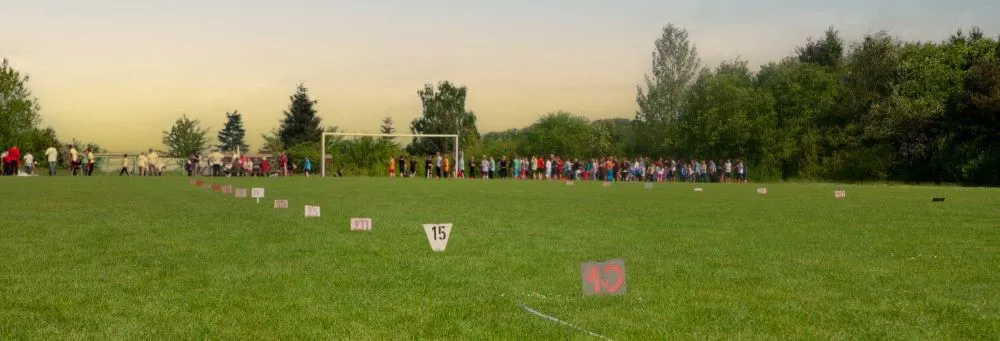
Throwing Surfaces
Have questions before making your discus purchase? Please get in touch! Our team of experts looks forward to helping you find the right piece of equipment for your sporting needs.
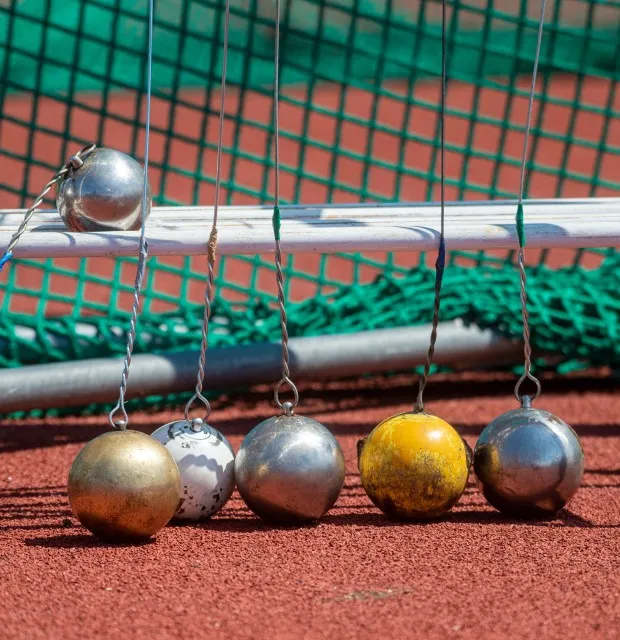
Are you interested in other throwing disciplines? Take a look in our athletics shop and discover what you may need for many other disciplines, including hammer throwing.
Throwing Technique in Schlagball and Ball-Throwing
In many ways, the techniques employed in both schlagball and ball-throwing mirror those required when throwing a javelin. However, there are also some major differences, which is why demonstrating a confident throwing technique with a ball does not necessarily mean the individual will also be successful with the javelin. Many factors are at play here but it is likely that the distance achieved with the ball will give more of an indication as to the individual's potential success with a javelin. Therefore, to encourage young javelin enthusiasts, it is best to get them started with practice javelins straightaway.