

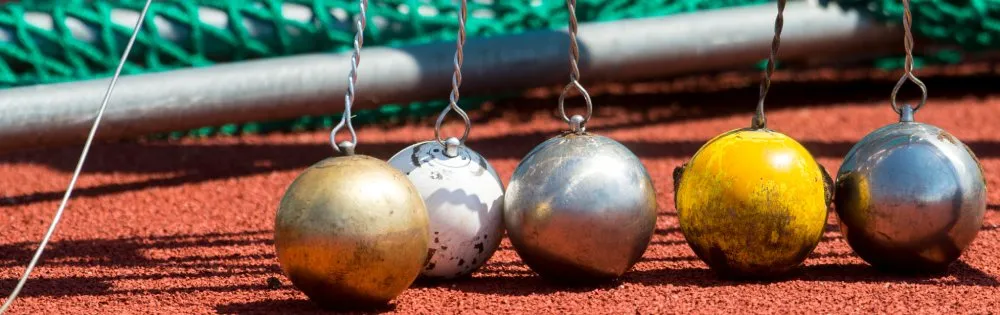

You'll find everything you need for hammer throwing here at Full Athletics. We offer an unparalleled range of throwing hammers from Polanik and Vinex made from a variety of different materials.
With more than 90 models, we've got even the most diverse requirements covered! You'll find training and competition hammers as well as indoor hammers. You'll also find accessories and replacement parts for this discipline. To buying guide »
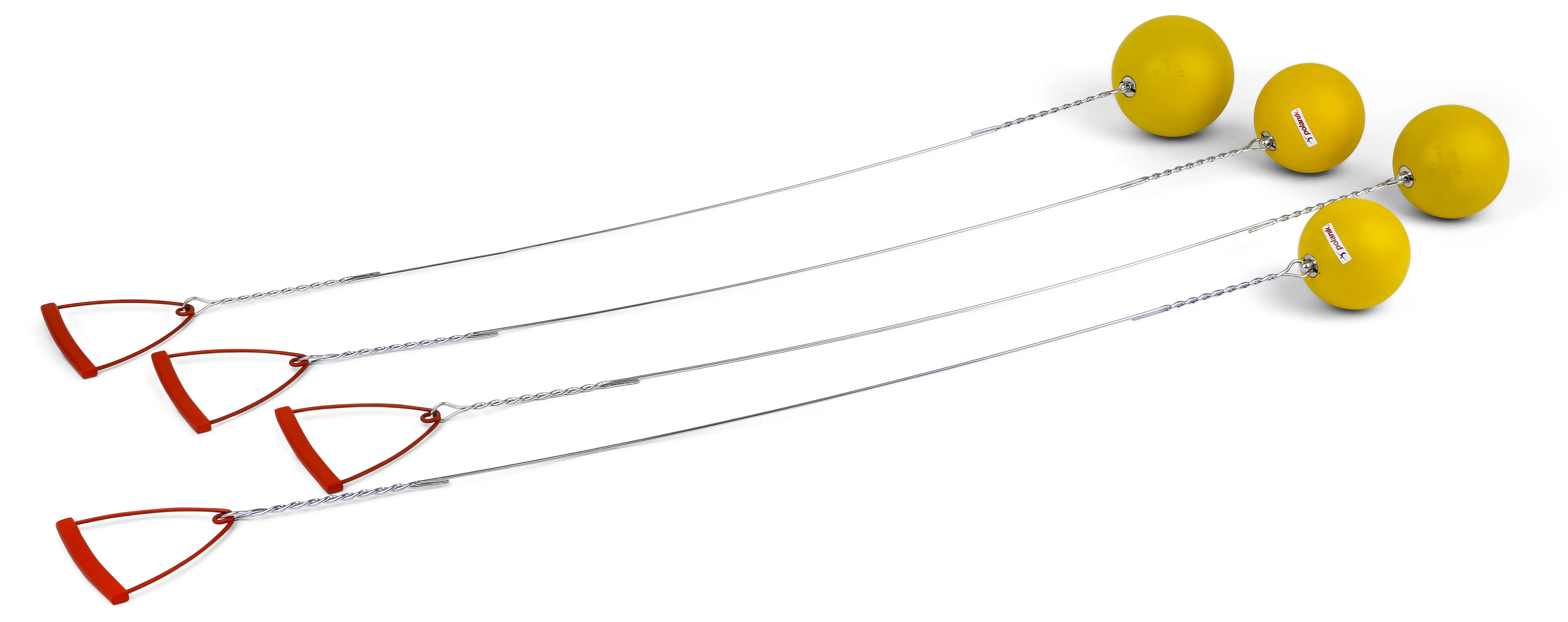

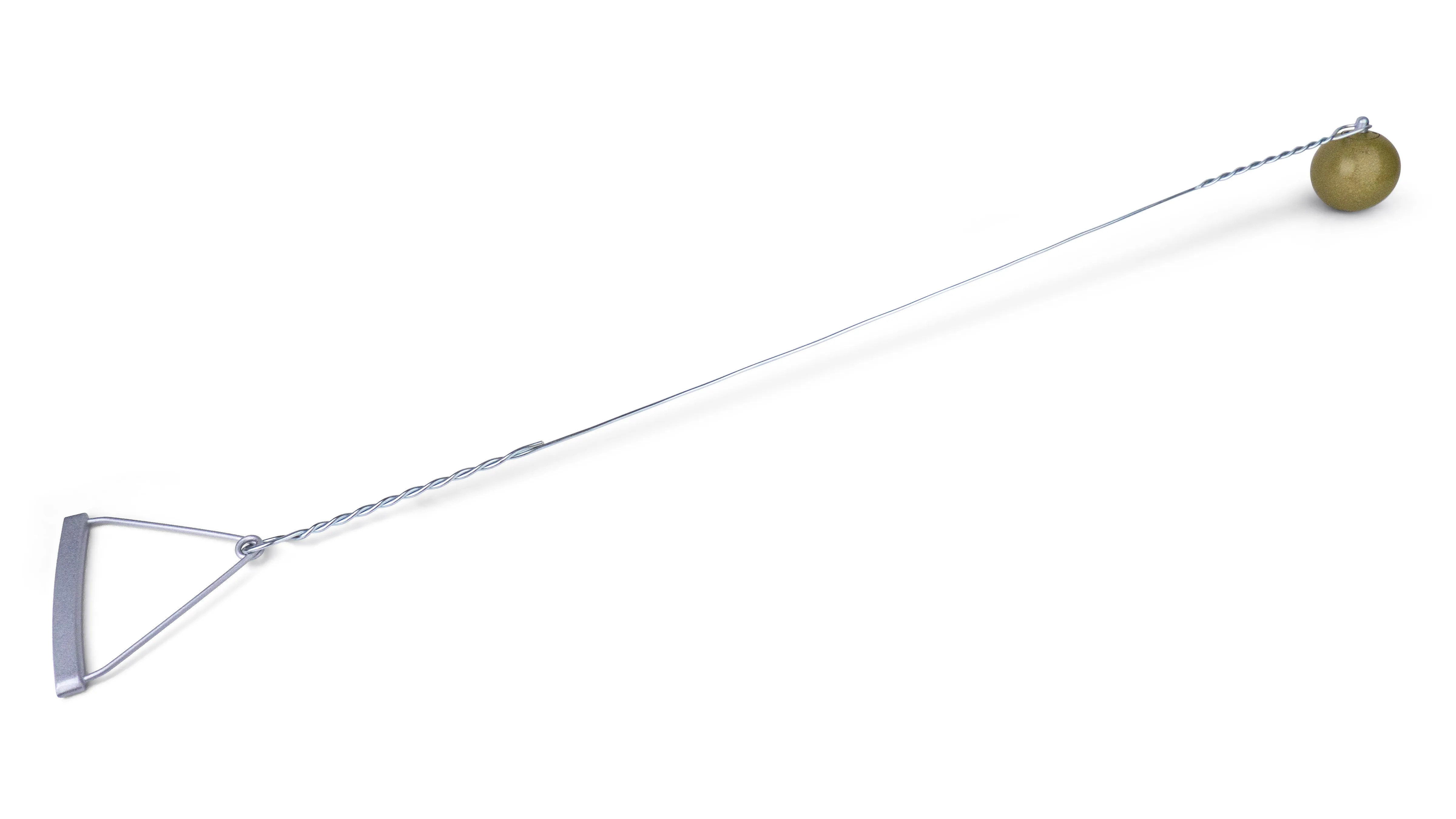
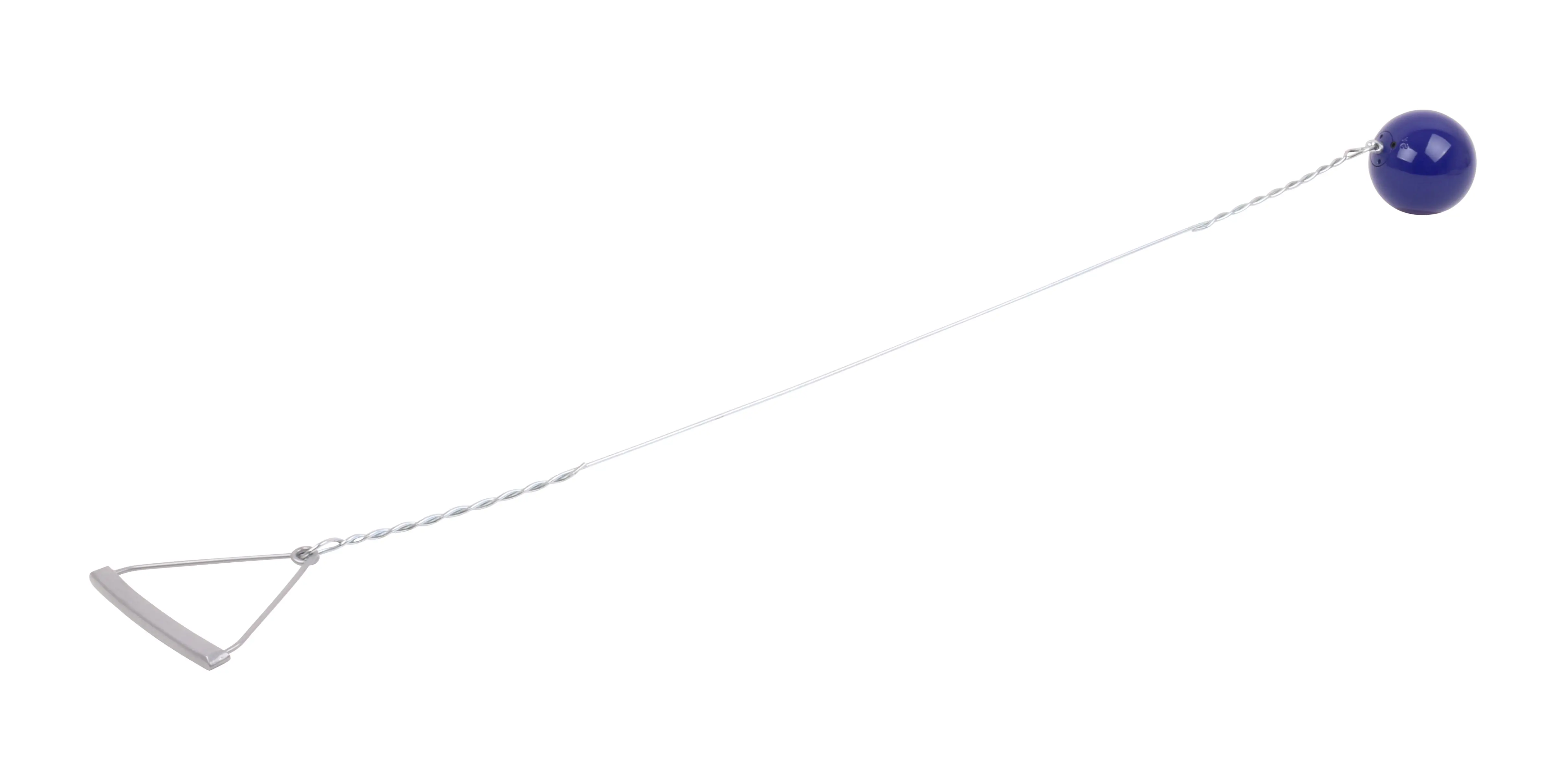
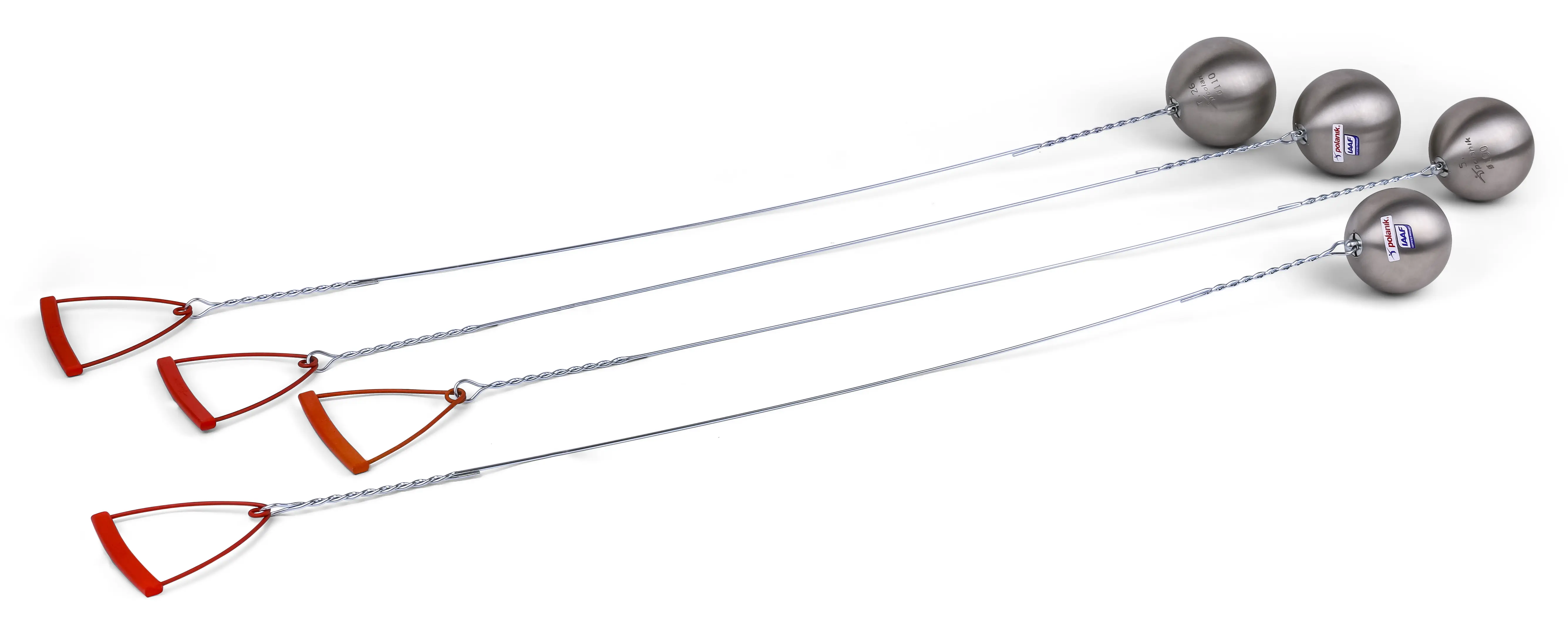
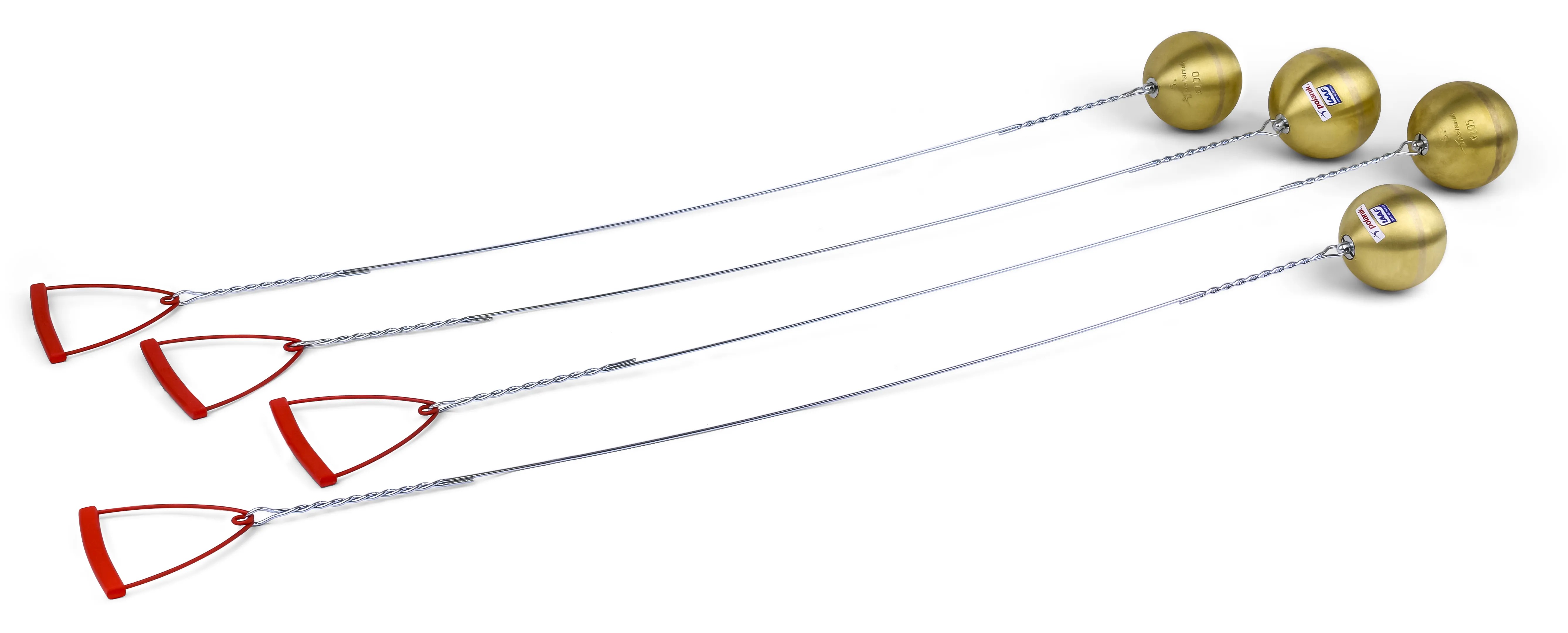
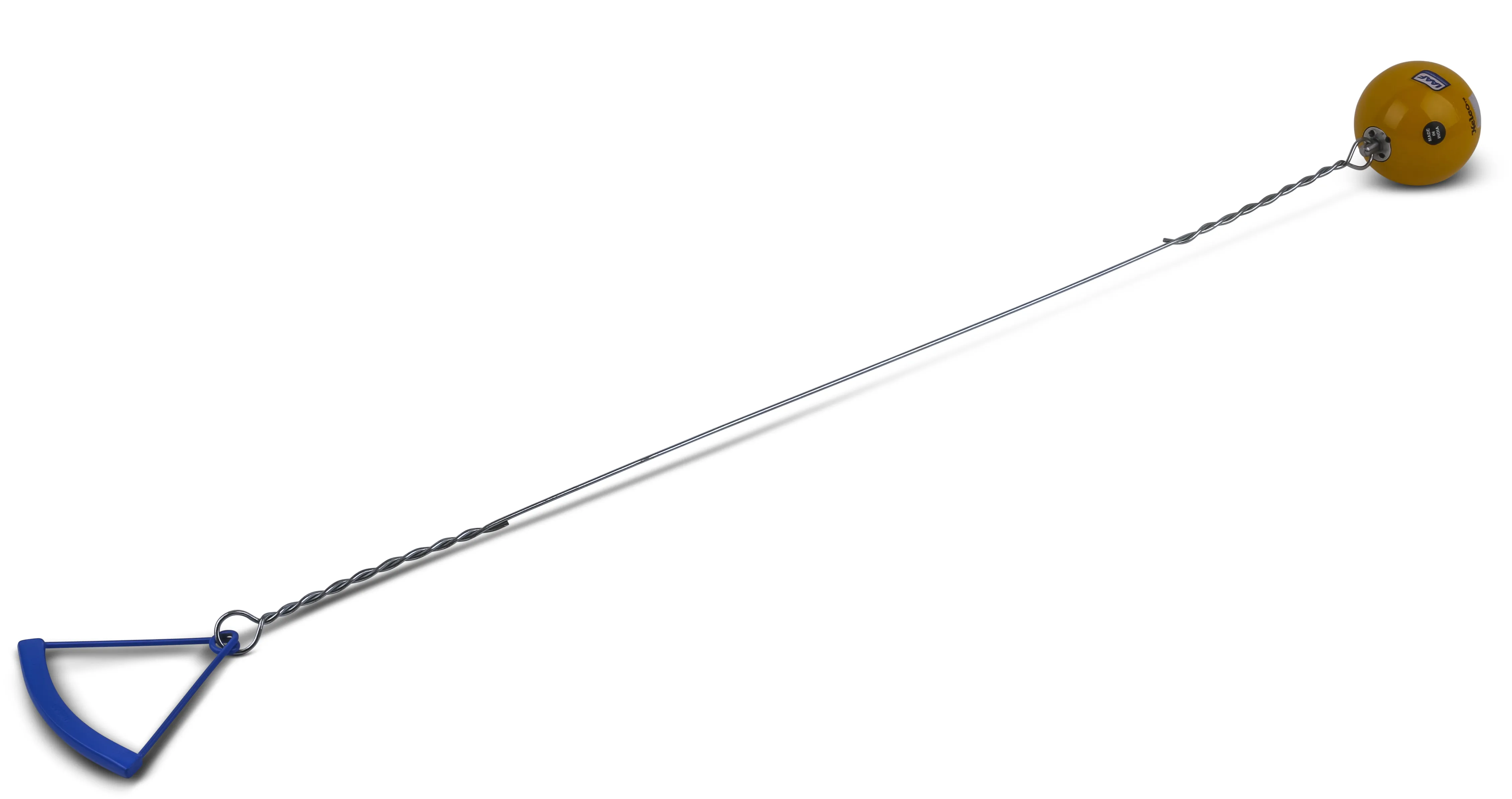
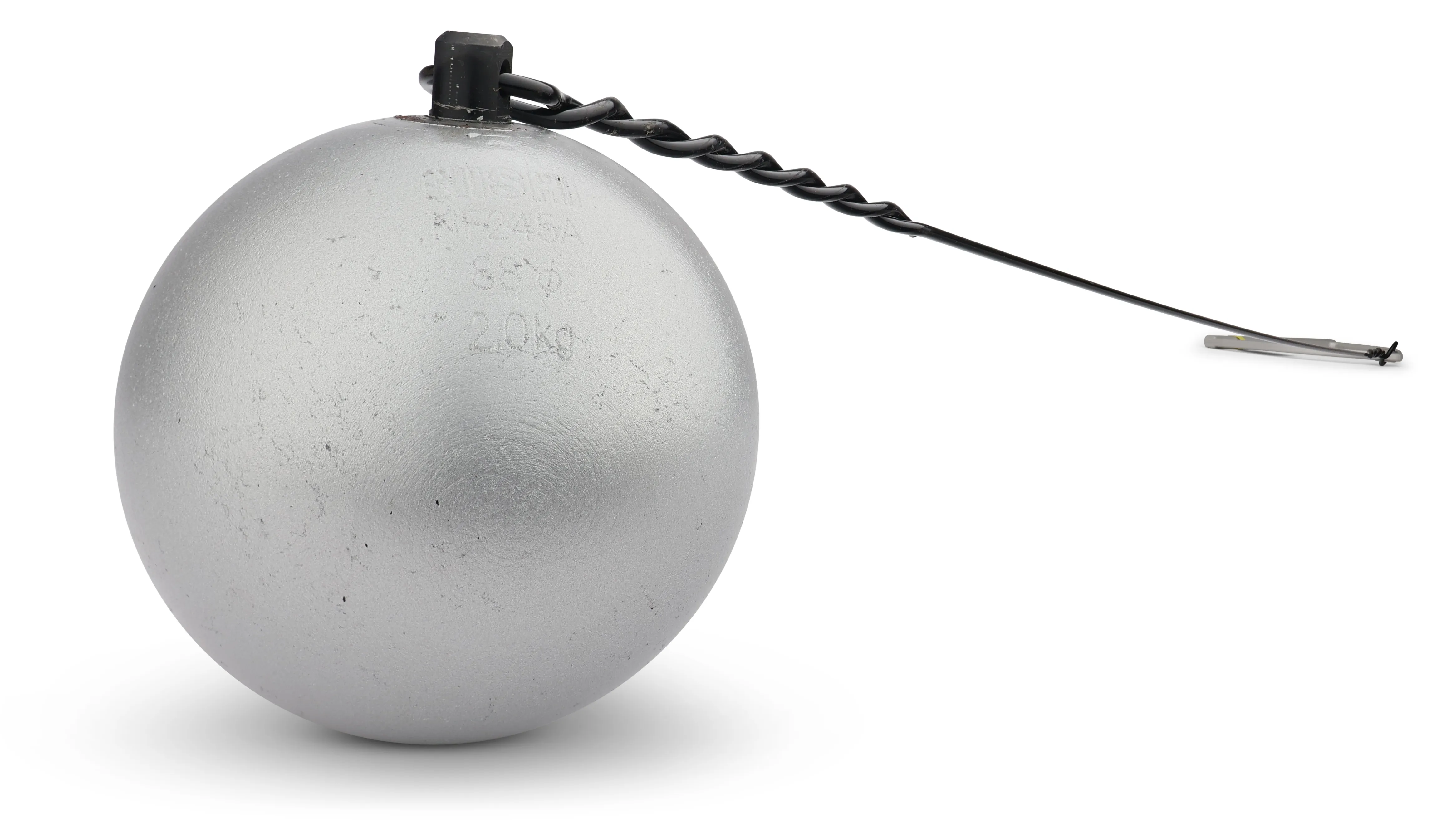
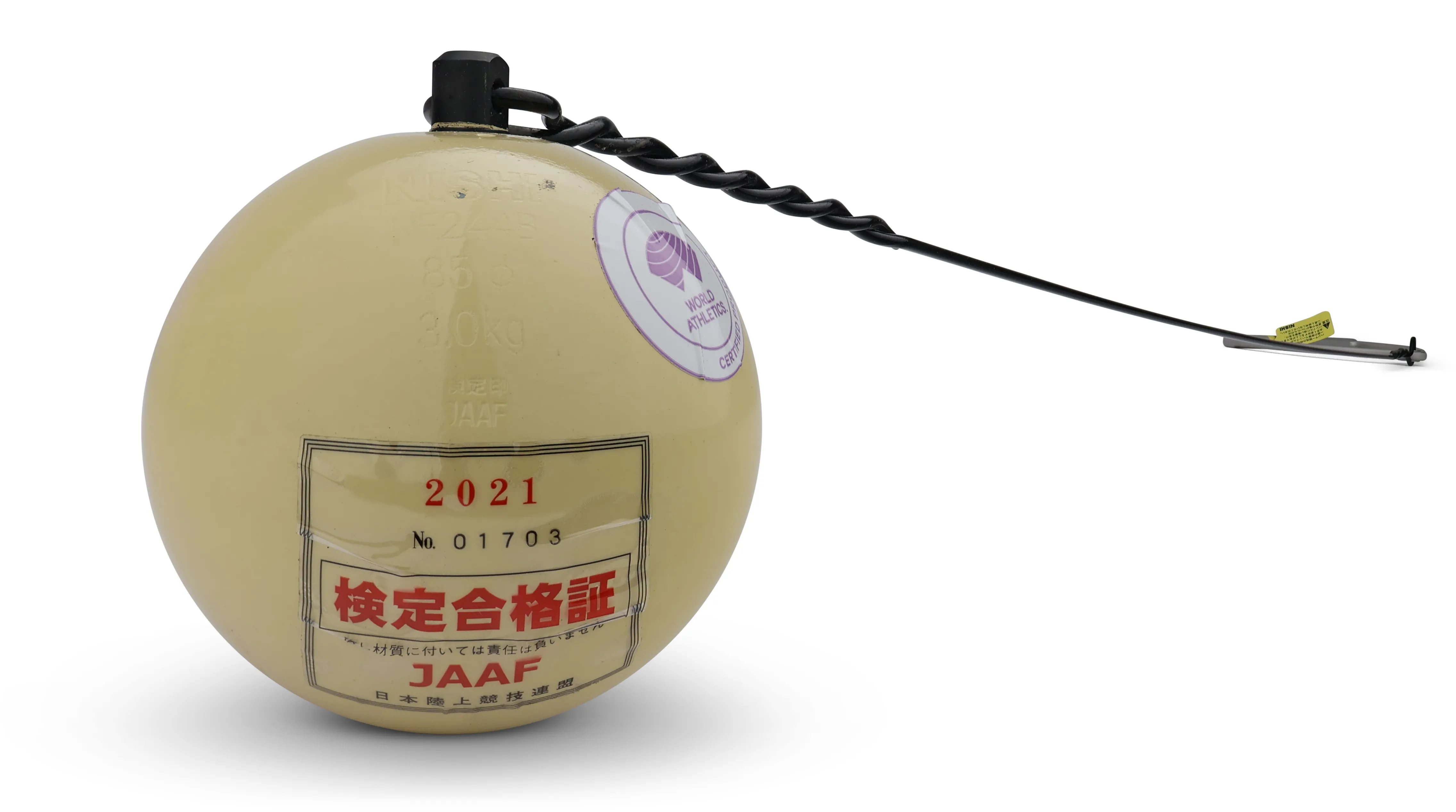
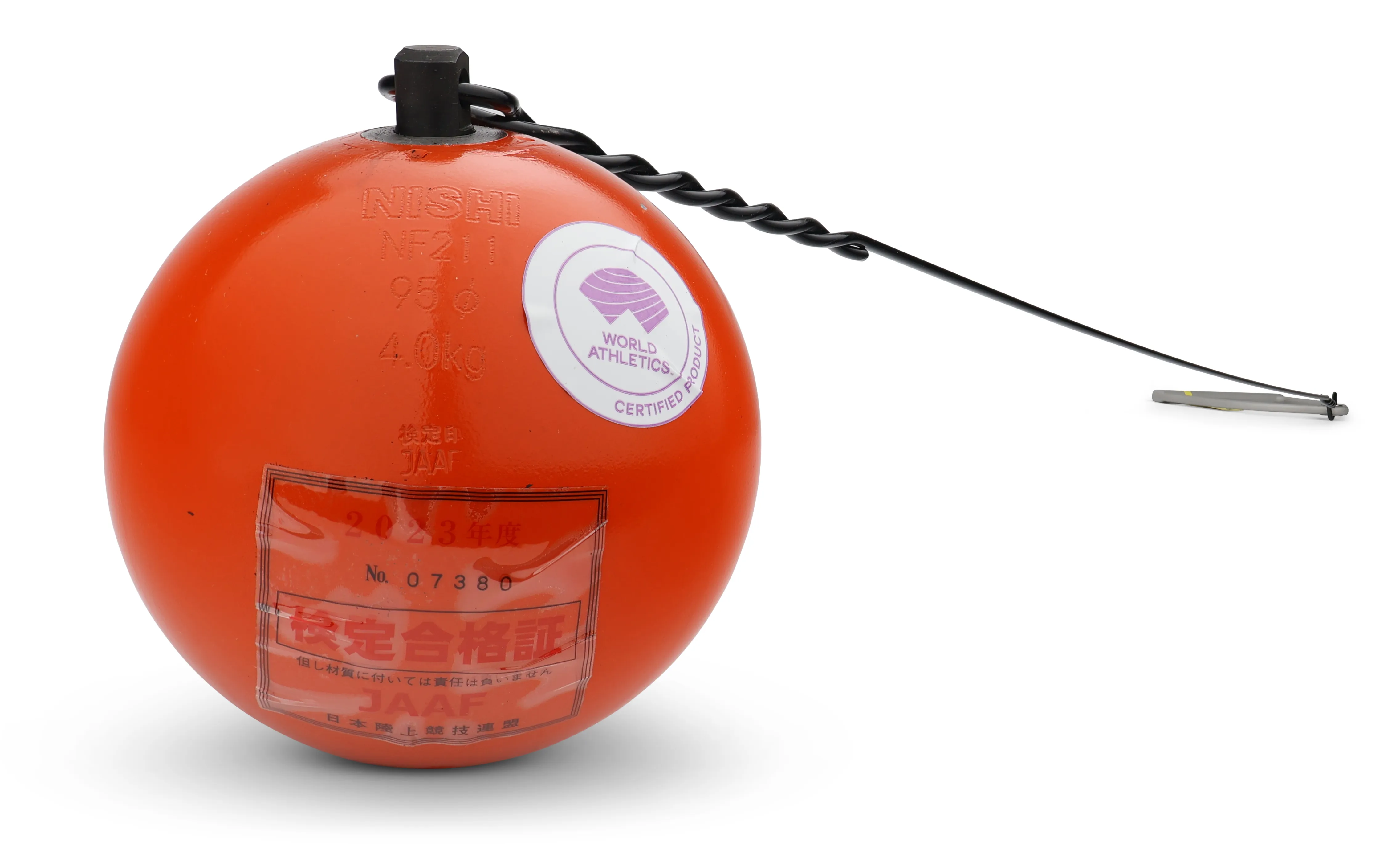
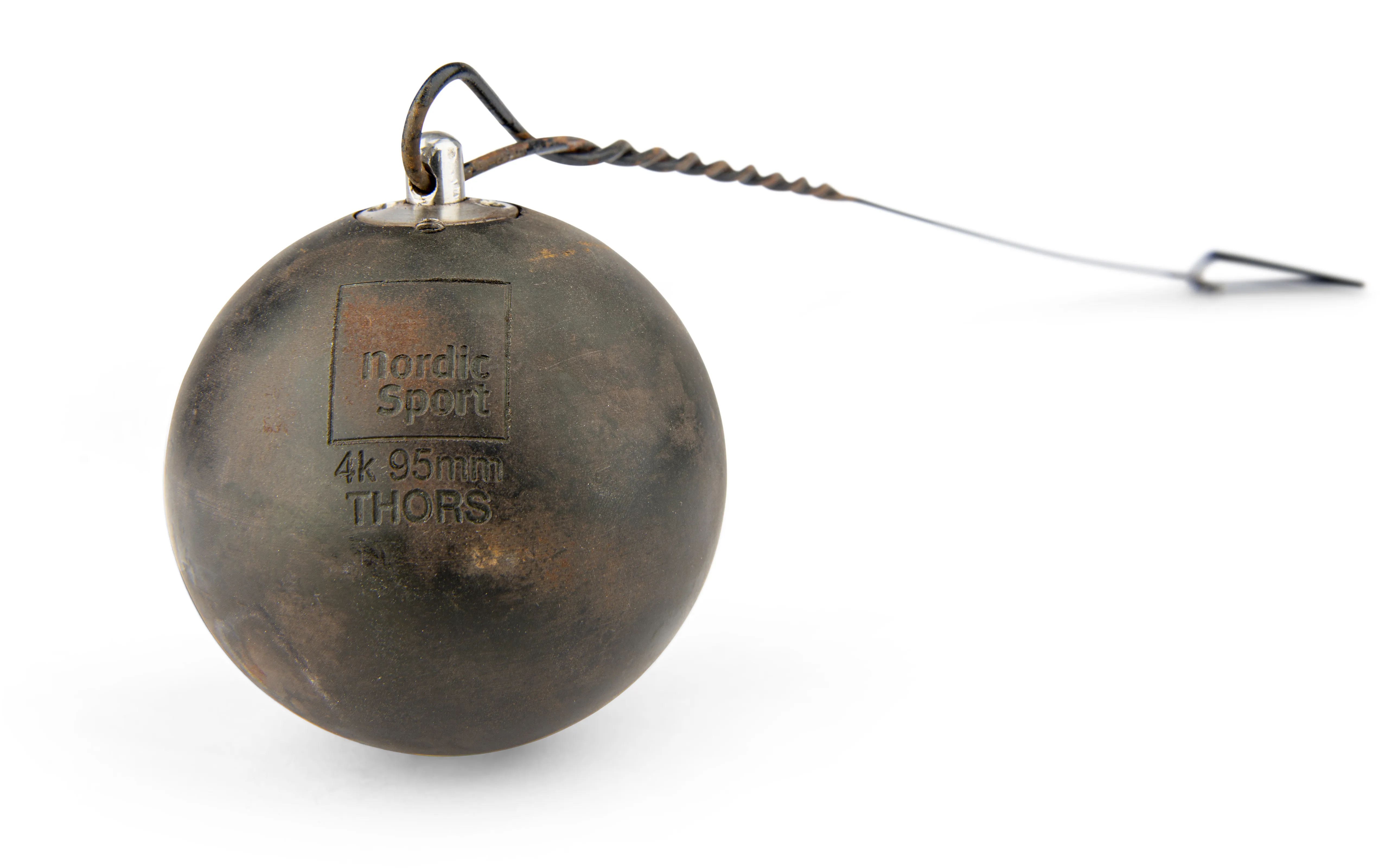
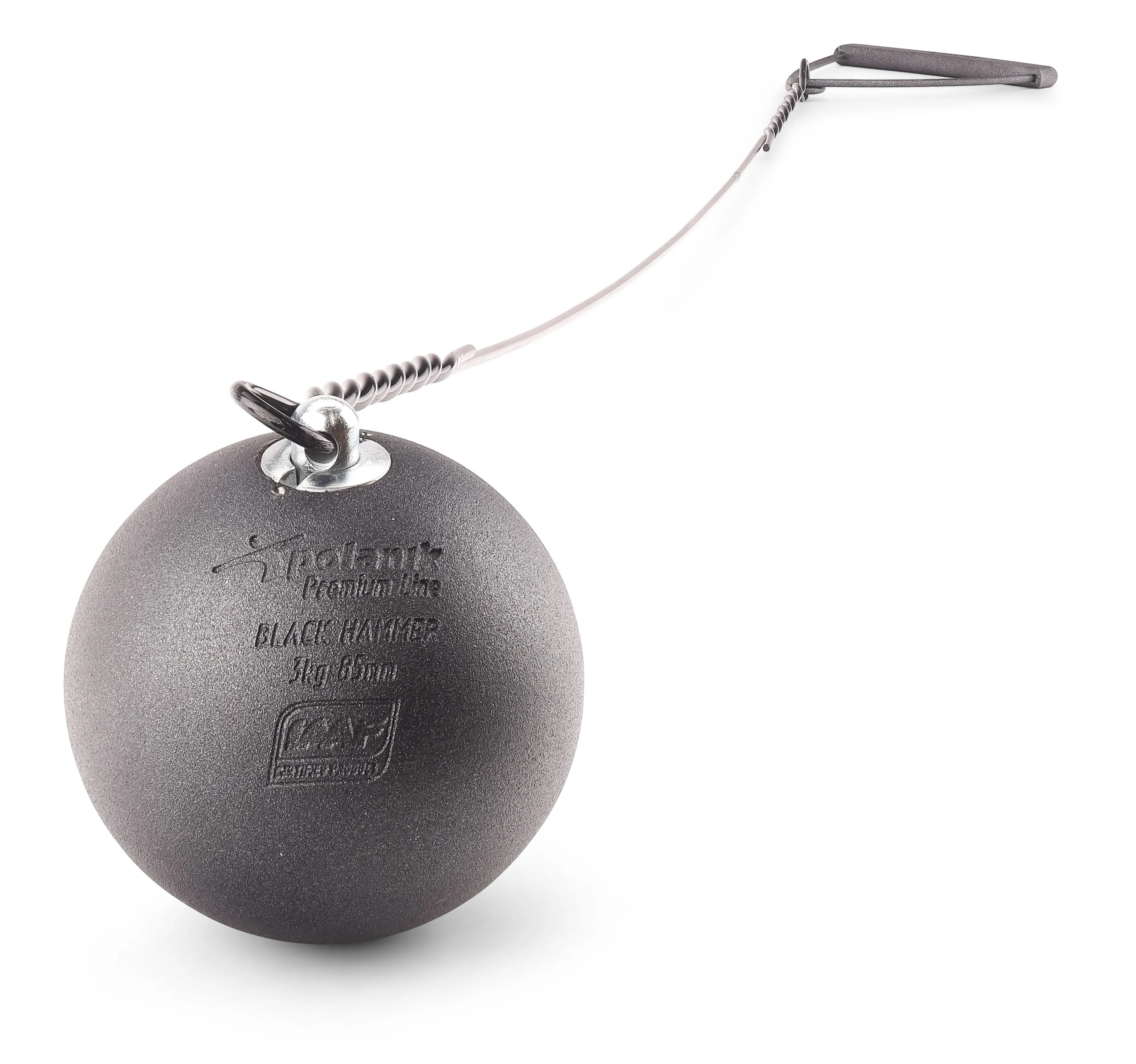
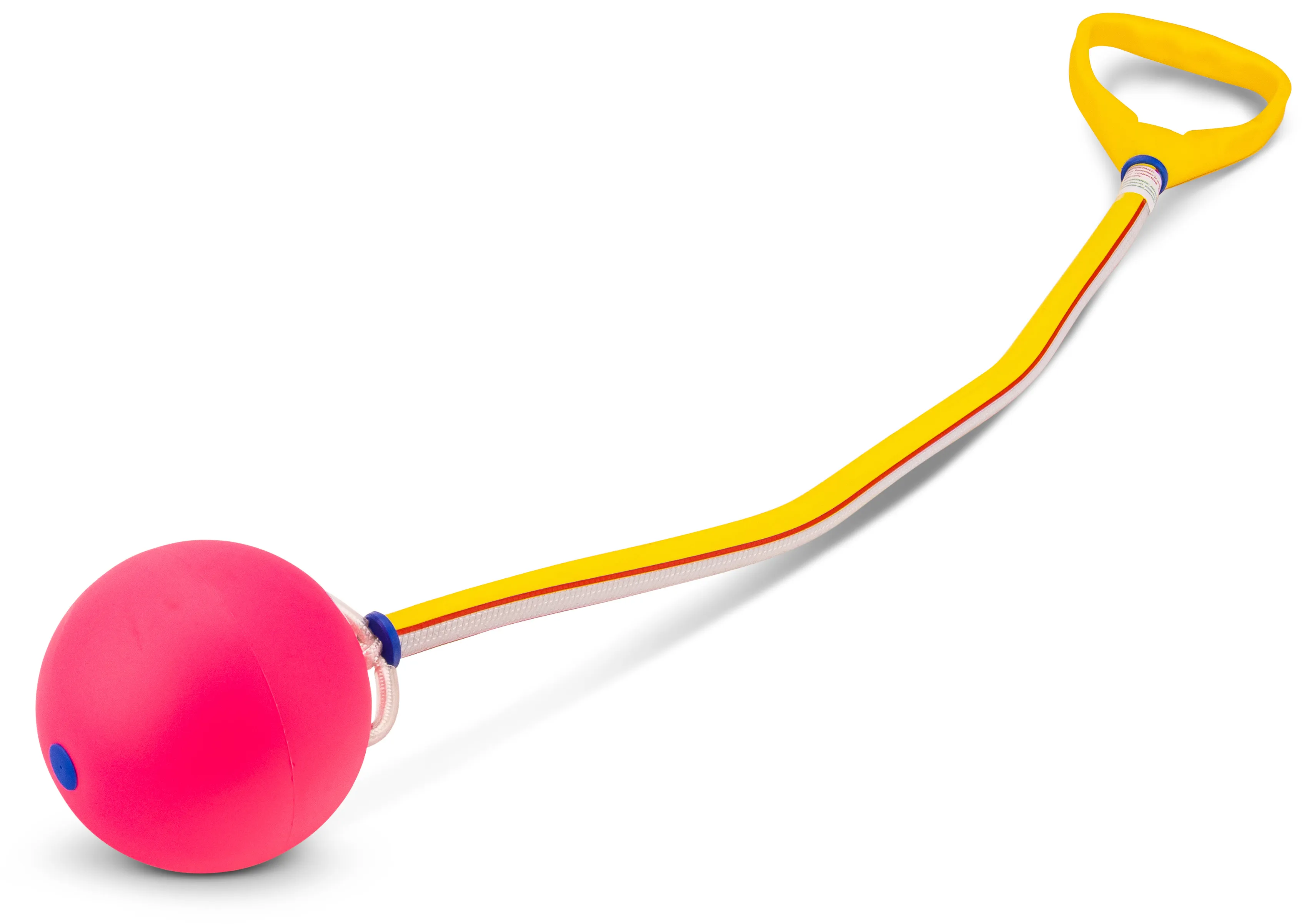
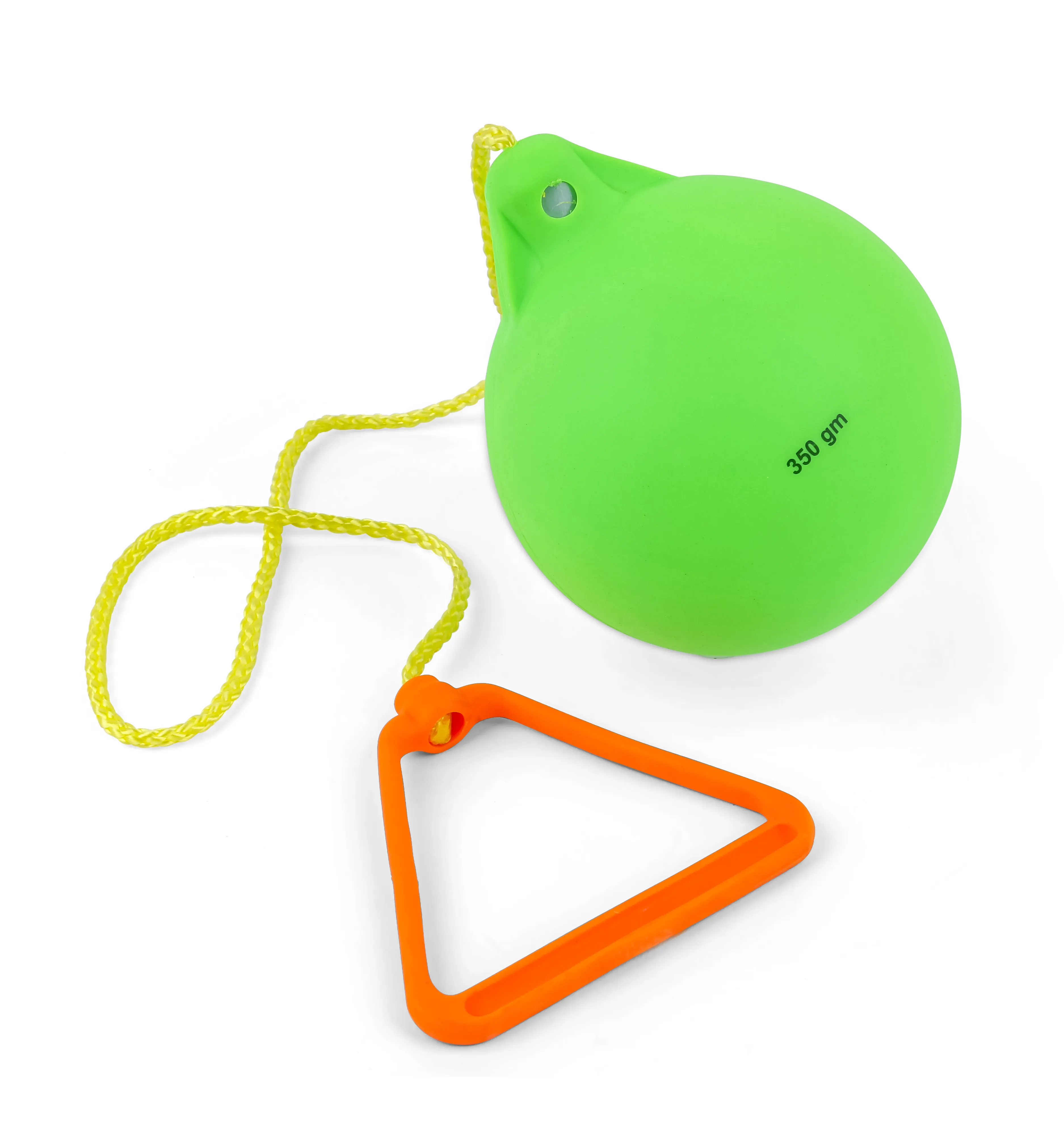
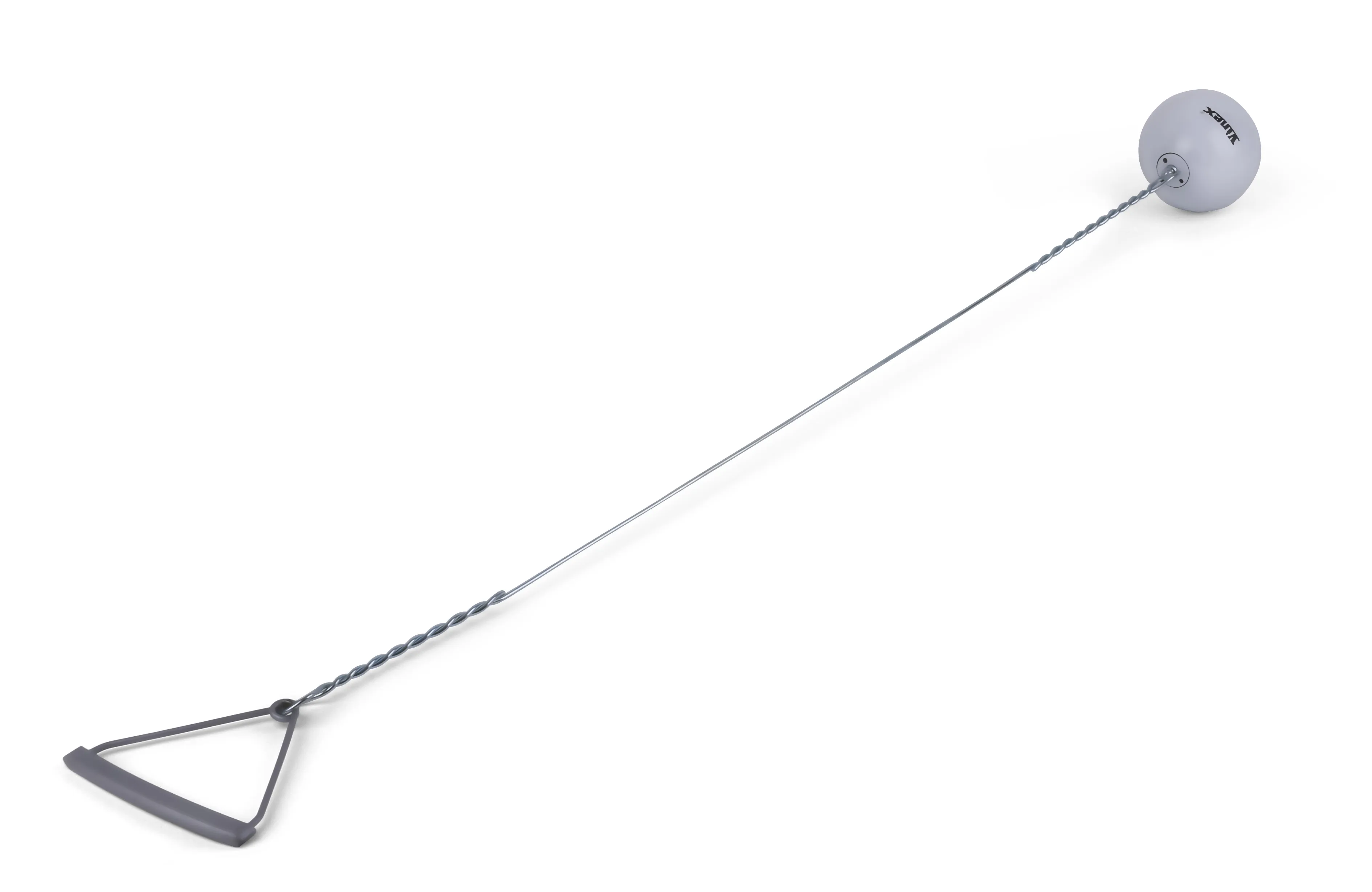
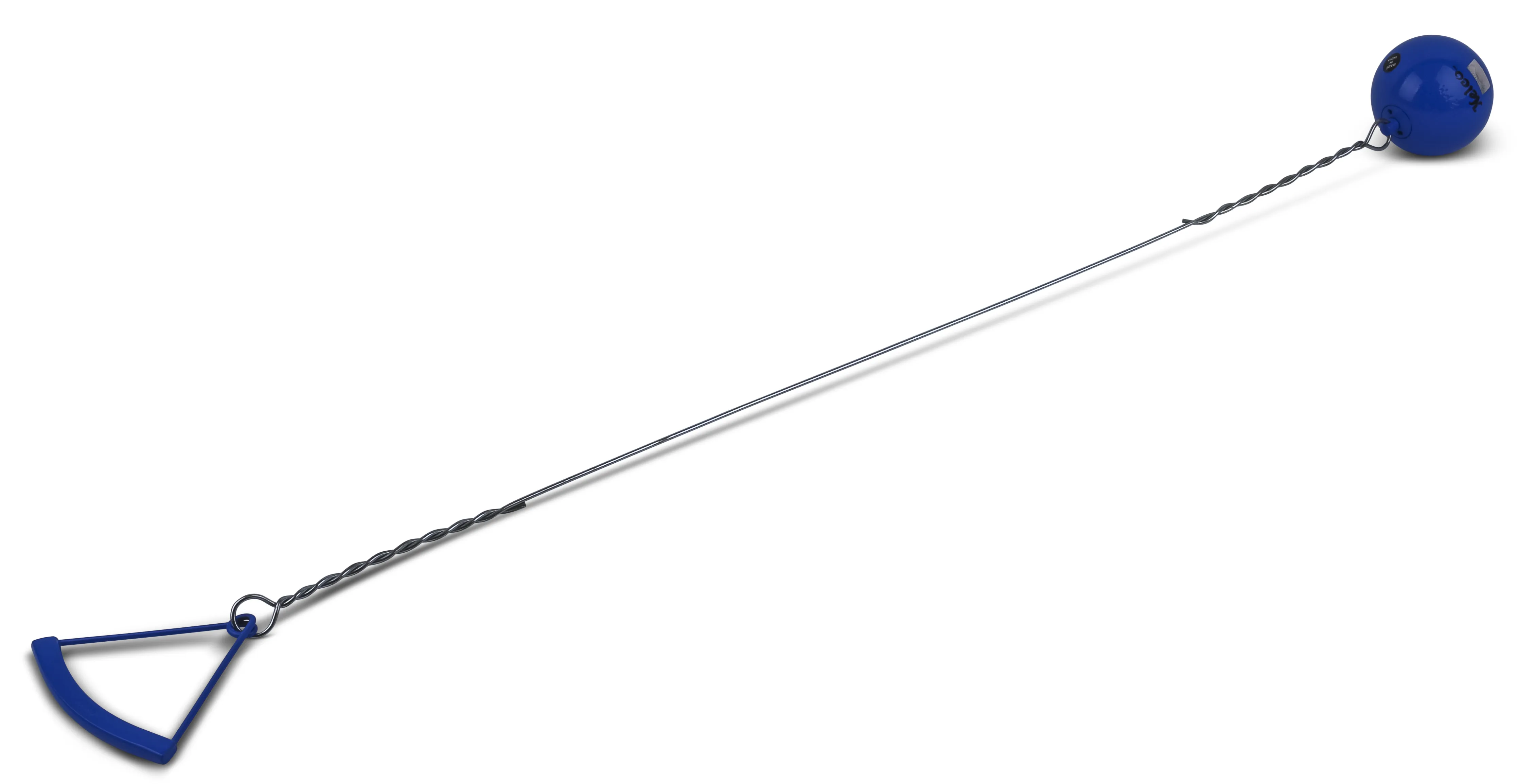
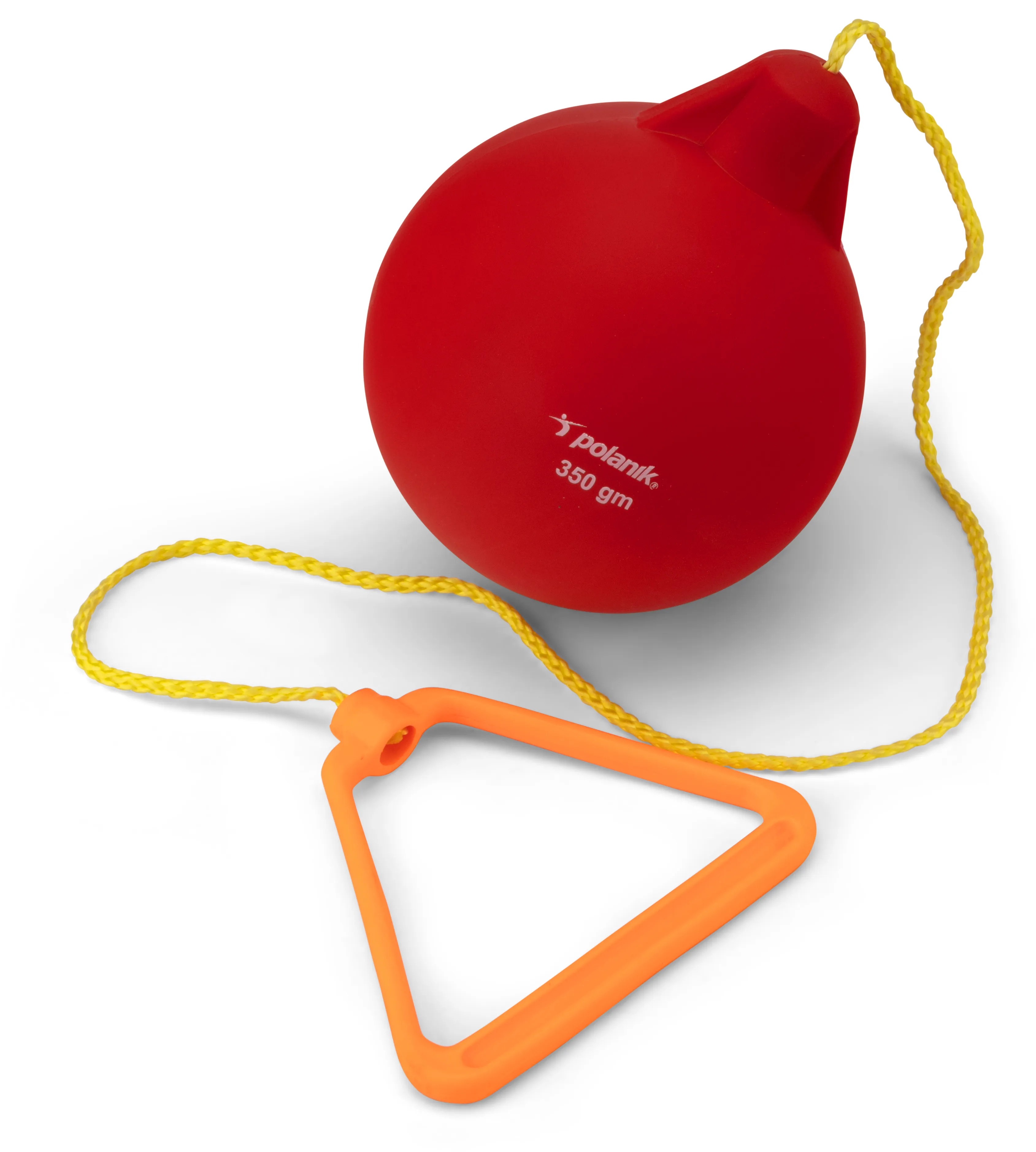


Hammers for Beginners and Professionals at Full Athletics
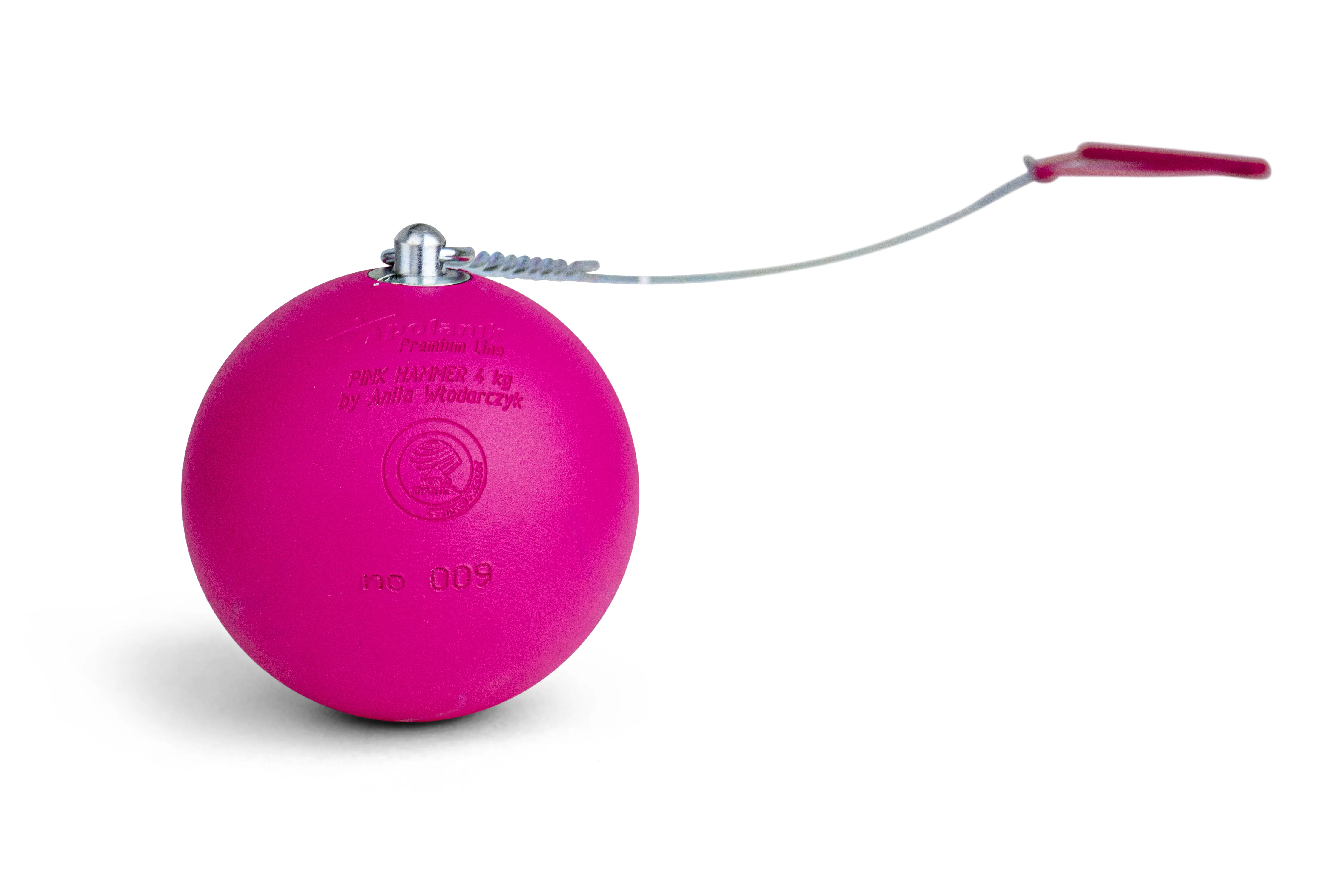
Here at Full Athletics, we offer a complete professional training setup for hammer throwing. Our hammerheads are as diverse and individual as the athletes that throw them. Our collection begins with our cheapest models made from cast iron. These are perfect for both competitions and training purposes.
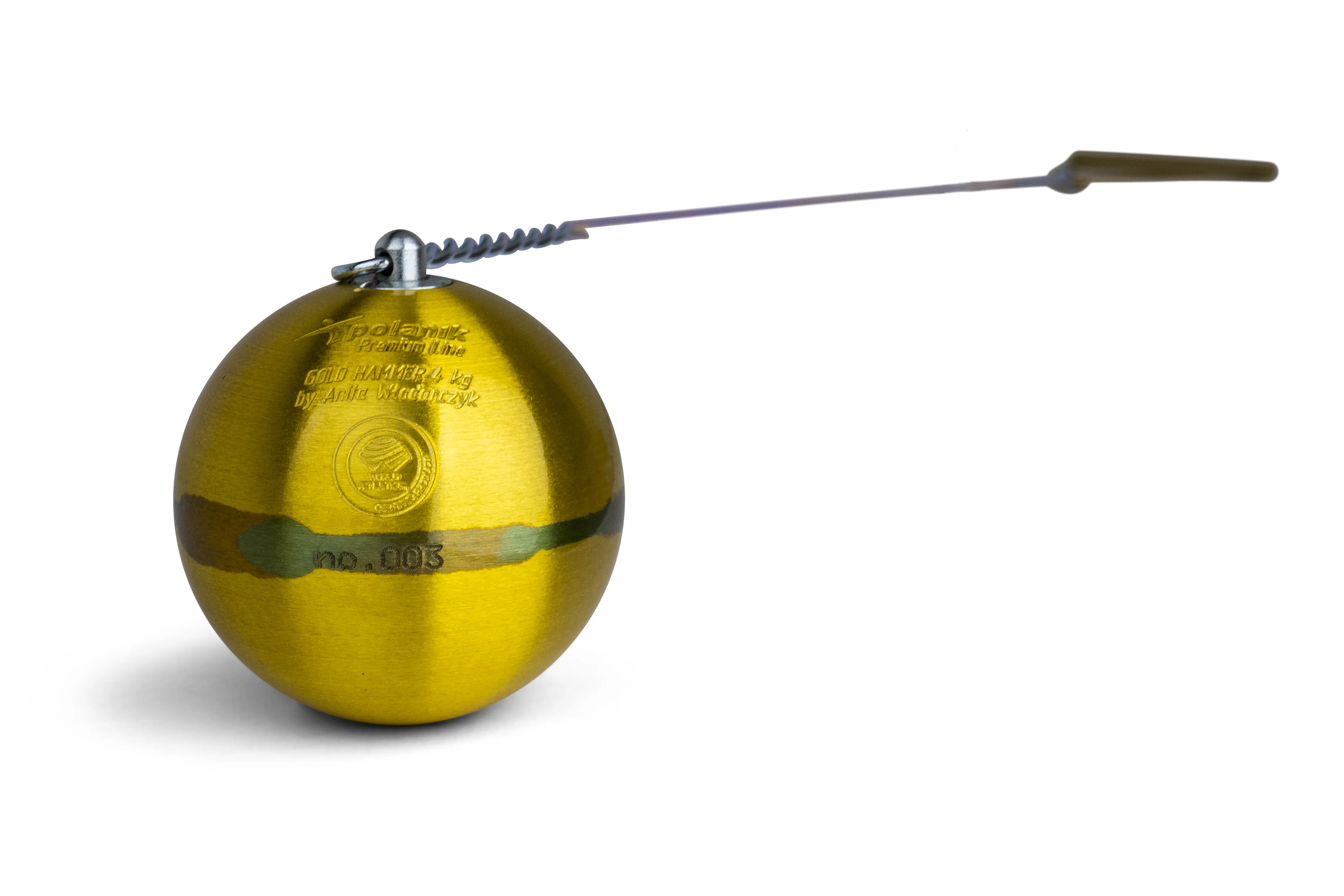
If you're searching for a particular diameter or a higher-quality product, we offer hammerheads made from stainless steel and brass. They not only look incredible but are also extremely long-lasting. For the ultimate performance and longevity, we also offer hammerheads made from steel - the best of the best. In our online store, you'll find great hammers for training, competitions, and indoor use.


The Hammer Throwing Discipline
The hammer throw began in Ireland and Scotland. Following its spread down into England, it became a competitive sport in 1875. The suggested weights in place today and the design of the throwing circle can be traced back to 1872 in the United States. Men's hammer throwing first became an Olympic discipline in 1900.
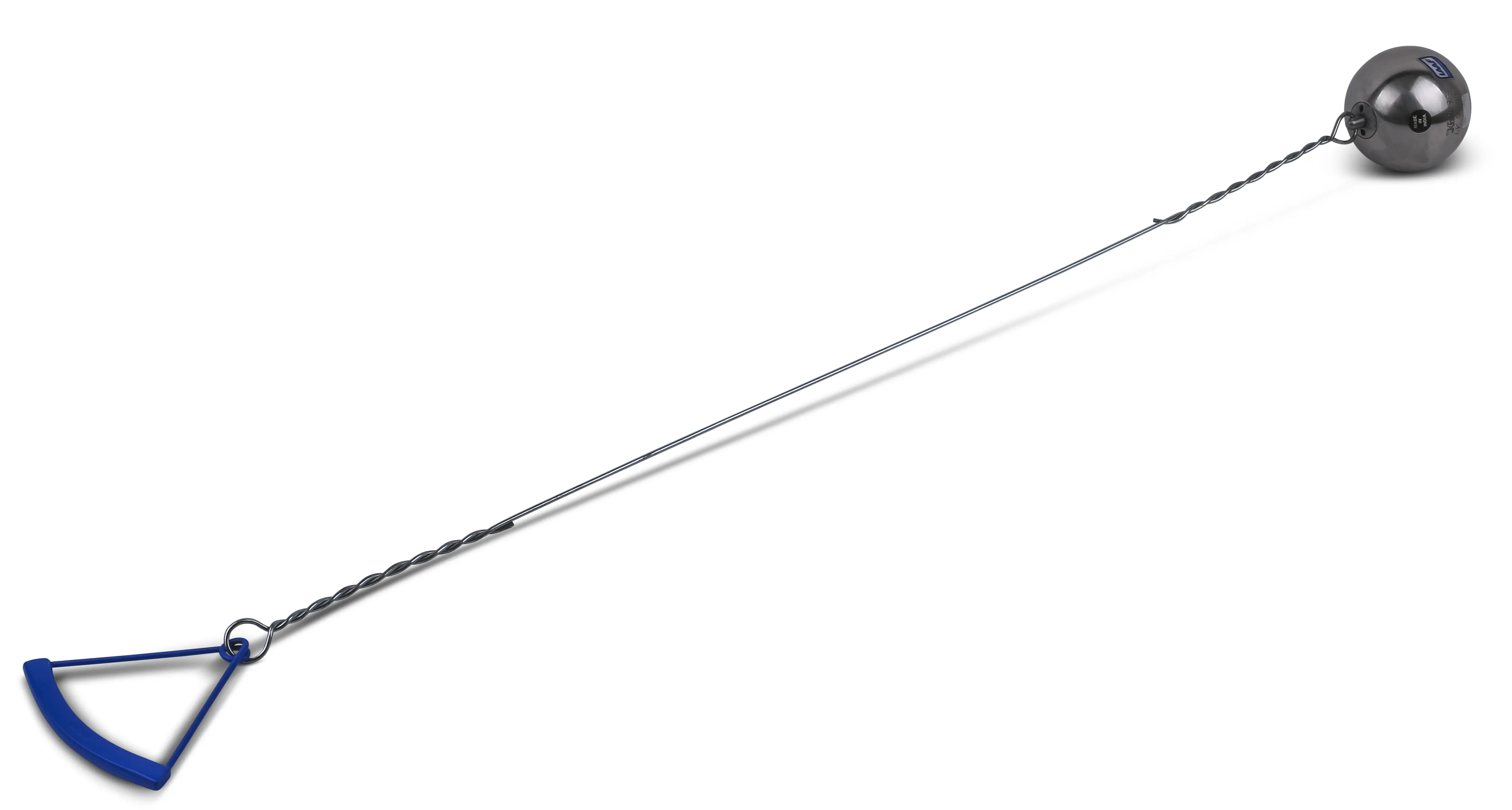
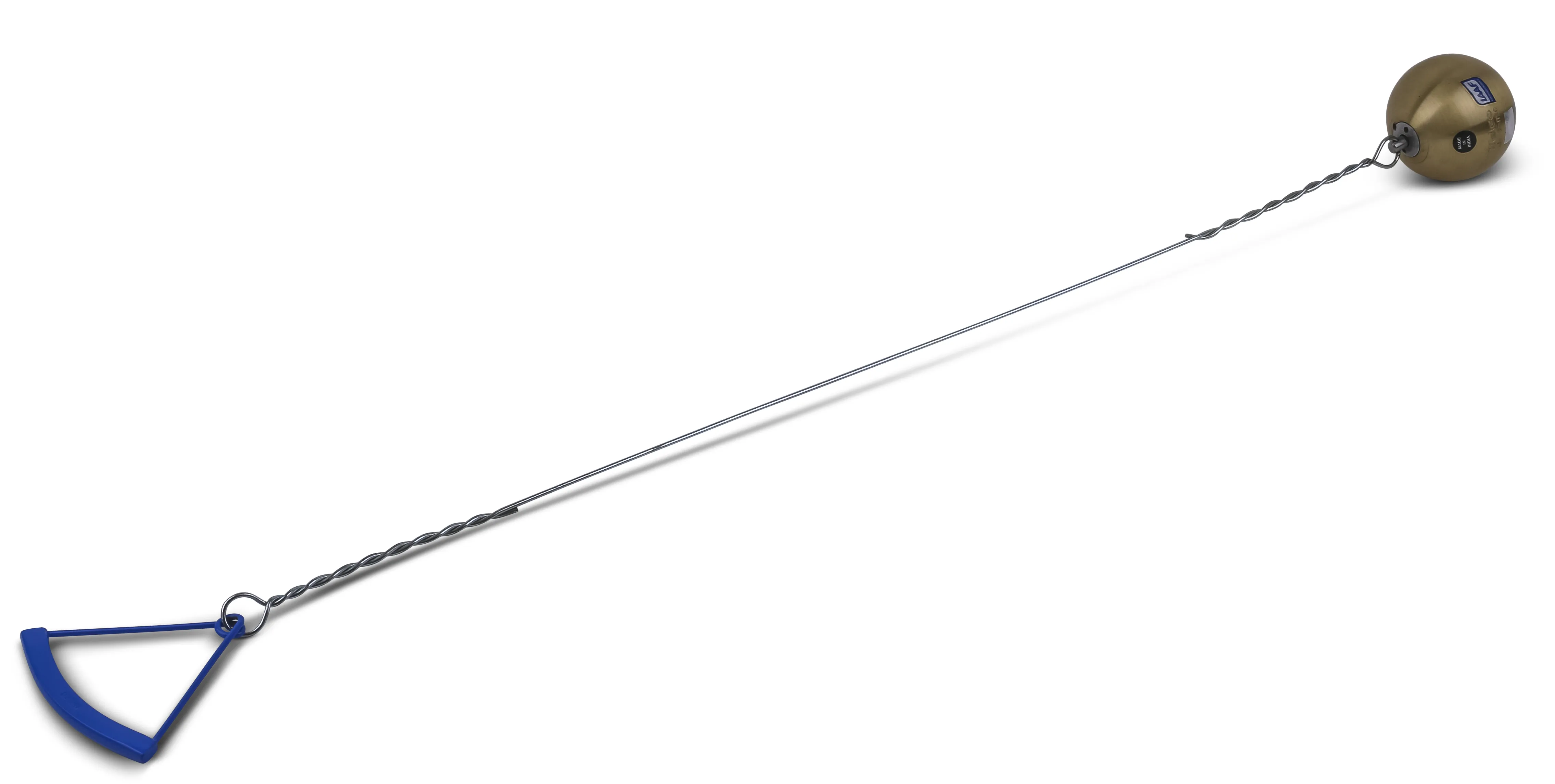
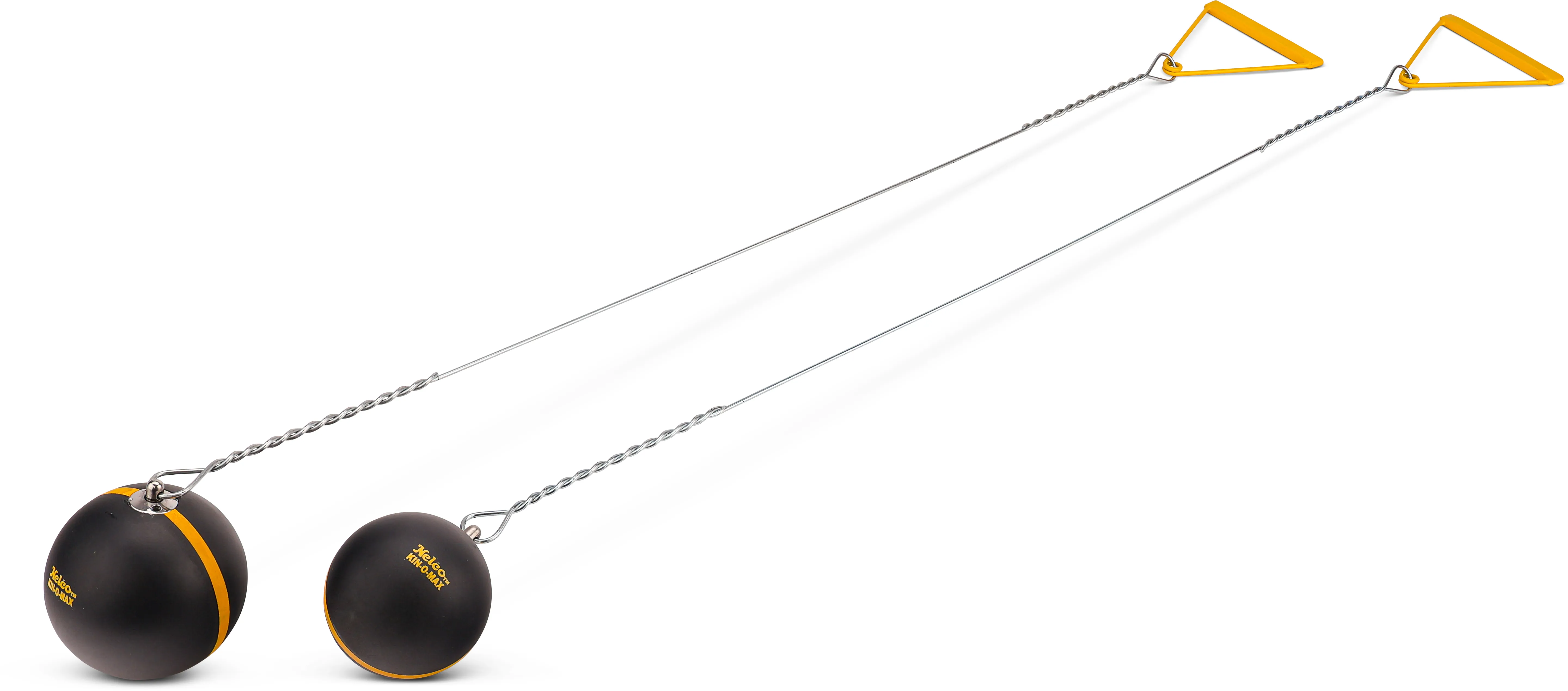
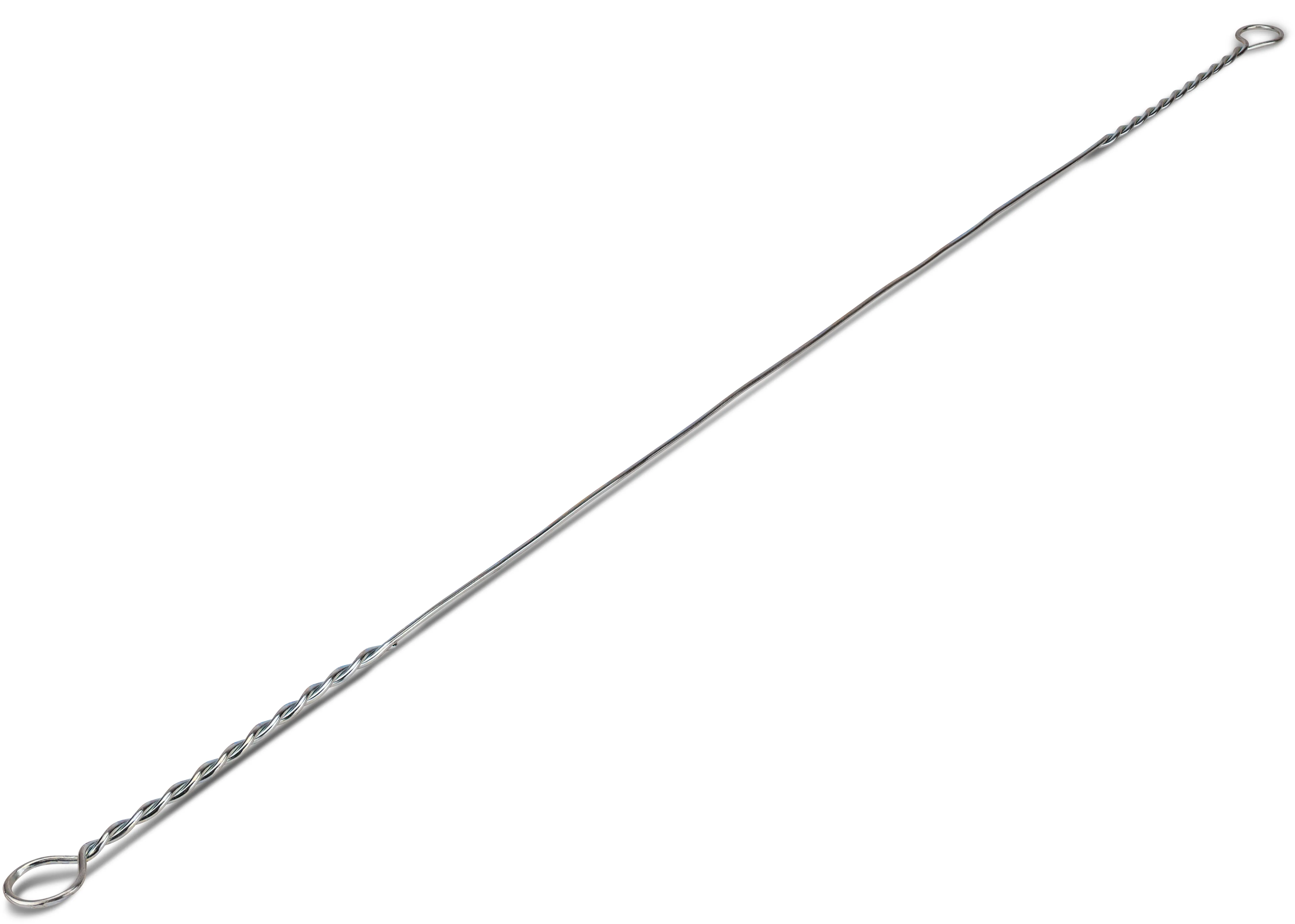
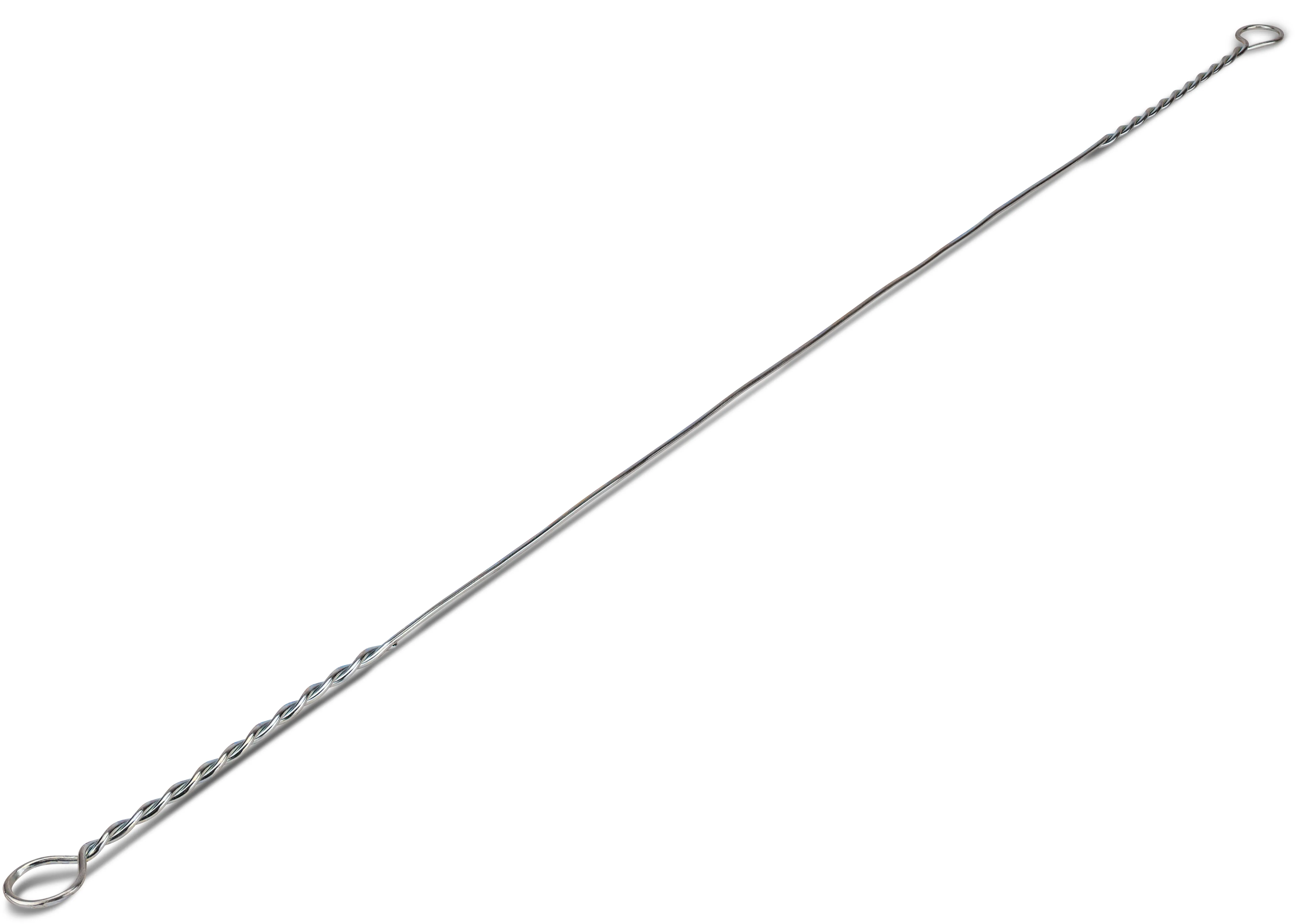
According to international regulations, a hammer is made up of three elements: the metal hammerhead, a wire, and a handle. The hammerhead must be made from solid iron, brass, or another metal that is not softer than brass. It may also consist of a shell of one of these metals, which is then filled with lead or another solid material. The hammer's center of gravity must lie no further than 6 mm (almost 1/4 inch) from the center of the hammerhead.
The throwing circle is made from concrete with an iron ring at the outermost edge. It has an opening angle of 34.92 degrees at the center of the circle. The throwing circle must have a safety cage of at least 5 m (c. 16.40 ft) high surrounding it.

The Right Accessories for Hammer Throwing
Throwing the hammer places the accompanying parts of the piece, such as the wire and handle, under immense pressure and wear and tear. We therefore highly recommend that when purchasing a hammer, you order the correct replacement parts at the same time. Our experts are ready to help you determine which items are the right ones for your hammer. When it comes to hammer handles, we have a huge selection to cater to every preference.
Hammer Throwing Gloves
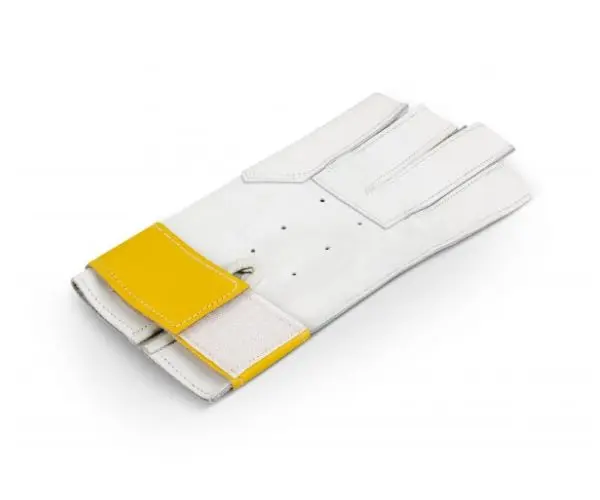
When purchasing gloves specifically for hammer throwing, consider whether you are left, or right-handed and in which direction you turn when making your throw. Different models of gloves are available in a choice of many different fabrics, including some very firm and some very soft materials. When choosing between our different designs and models, please don't hesitate to contact us should you require further assistance.
Different Hammer Handles
We also have a wide selection of hammer handles, compliant with all international athletic federation specifications. Choose from many sizes and shapes. Whether you favor a handle with a width between 110-130 mm (c. 4.33 - 5.12 inches) or if you prefer a straight or rounded handle, we can help. There is no hard and fast rule regarding "the best" handle for hammer throwing. In fact, "the best" handle is whichever type you find the most comfortable to use and the most compatible with your throwing technique.
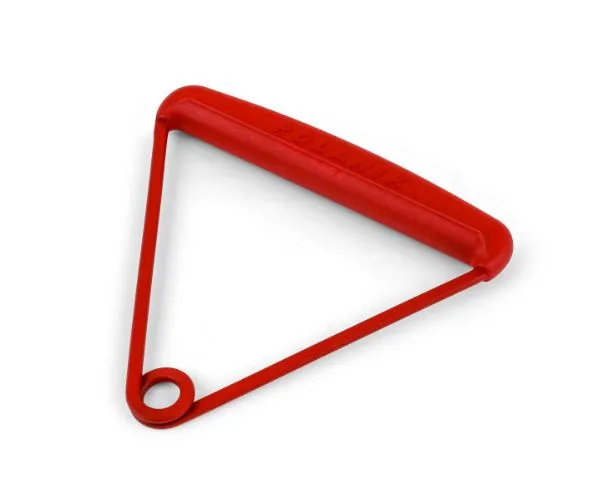
Tipp: We highly recommend that you purchase additional wires and handles for your hammer. These elements can bend or break during training and competitions, and it is always best to be prepared. The better your preparation now, the better your performance when it matters most.
FAQ: Buying a Hammer
What should I consider when assembling the hammer?
We do not deliver hammers that have been fully assembled to protect them during the delivery process. We also believe every athlete should be able to change the wire and handle of their hammer quickly and correctly. You do not need any additional equipment or tools to do this, although some recommend using a small tool that resembles a flat pair of tongs, but this is not essential. The ease with which a hammer wire can be opened and closed depends upon the make and the manufacturing tolerances.
Why is the right combination of wire and hammerhead so important?
The combination of a long wire with the smallest possible hammerhead is particularly important for professional athletes. The center of gravity in this instance is pushed further towards the outer edges of the hammer. This hammer is likely to fly further than a hammer with a shorter wire and a hammerhead with a larger diameter, even when the same turn and throwing technique is used. Official regulations specify a tolerance range for the diameter of the hammerhead.
What is the ideal take-off angle for hammer throwing?
The greatest distances can be reached when the hammer is thrown at a take-off angle of 45 degrees.