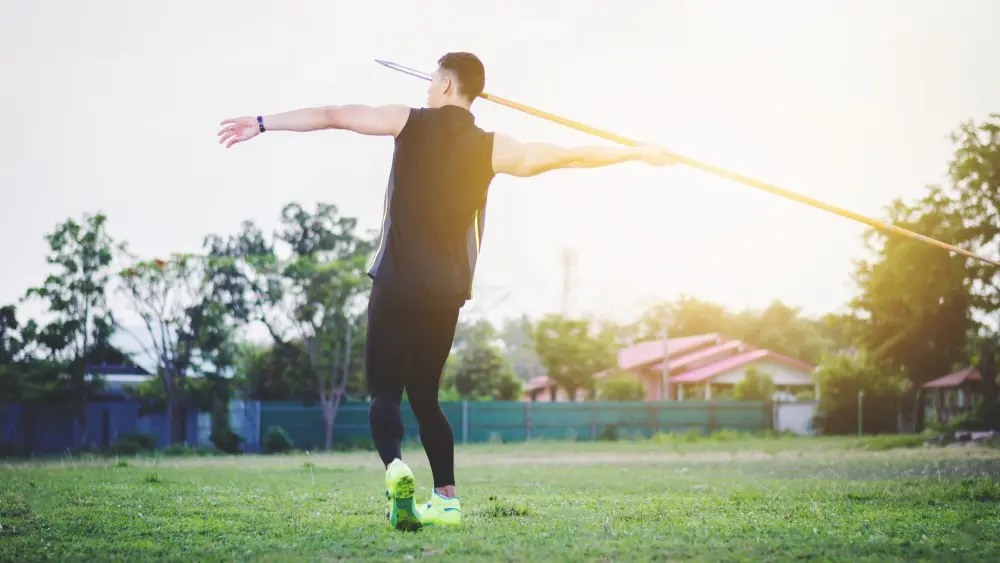
We offer a wide variety of javelins for athletics, competitive sports, schools, and club sports. All of our javelins are ready to be shipped with express shipping service. Our durable packaging ensures that our javelins make it safely to their final destination. Our javelins are suitable for competitions and school sports and are available in many different models and weights. They are well-balanced pieces of equipment with great flying properties and power transfer values.
Javelin throwing belongs to the group of traditional Olympic Games disciplines. A fascinating and time-honored sport as far back as ancient times, javelin throwing is still one of the most popular and well-loved athletic disciplines for both men and women. With the sport placing the highest technical demand upon its athletes, the javelin must be compatible with the skill level of the athlete. As experts in this field, Full Athletics is here to help and advise you when purchasing your javelin. To buying guide »
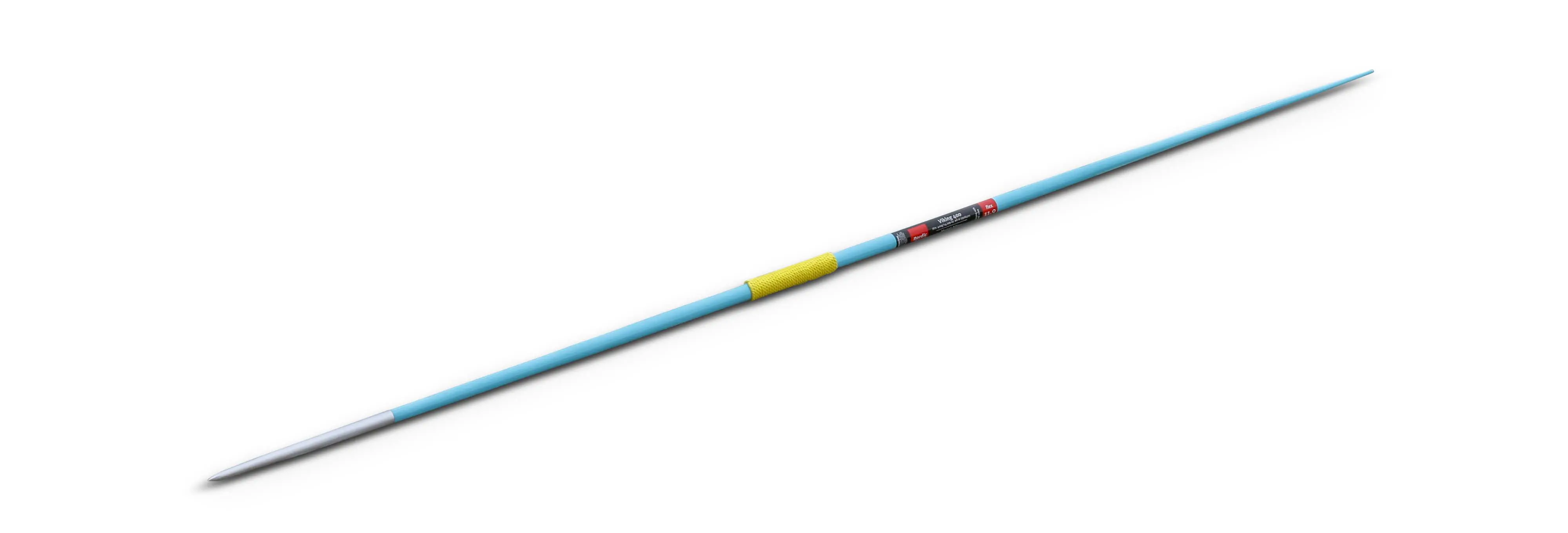
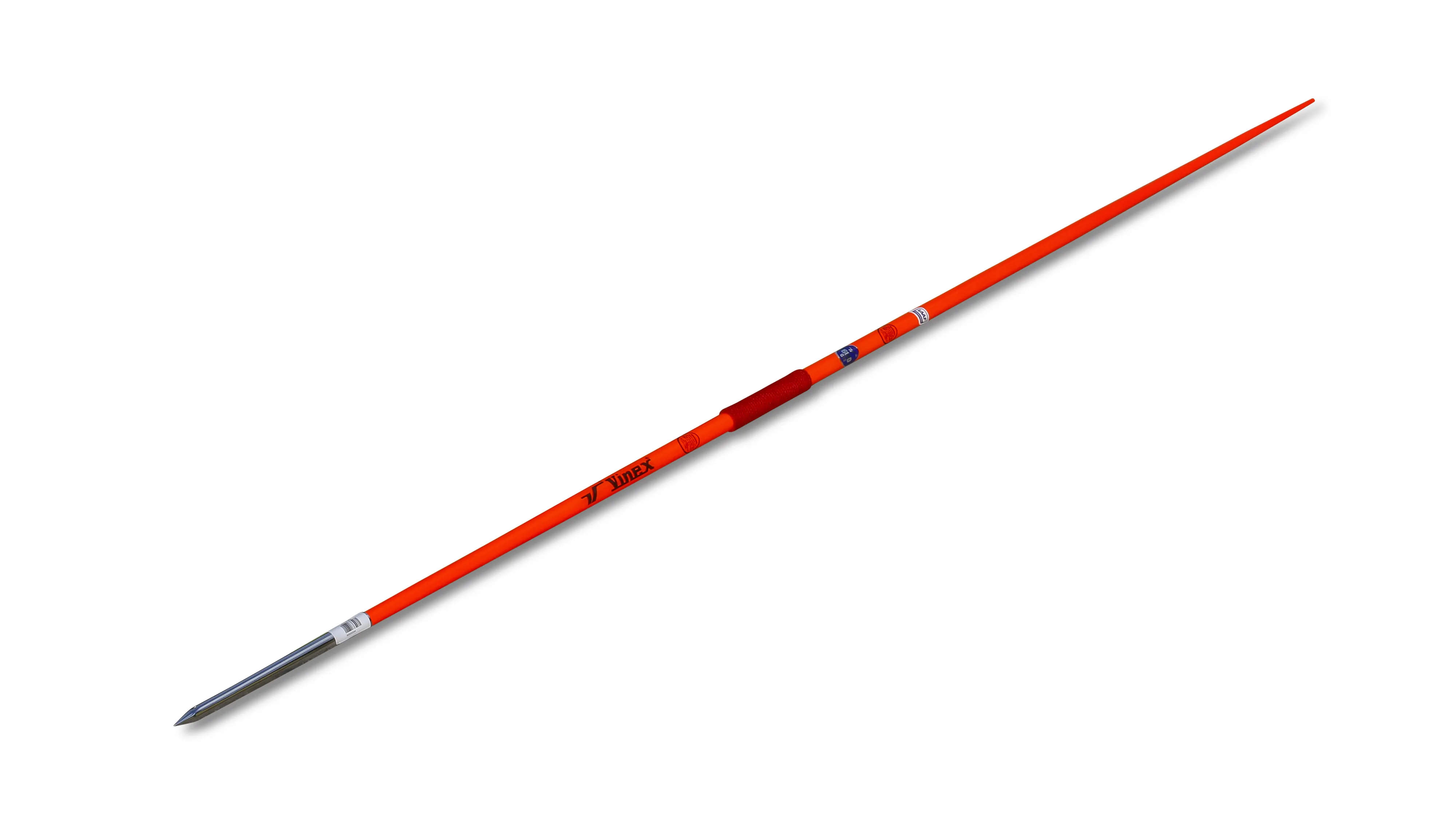
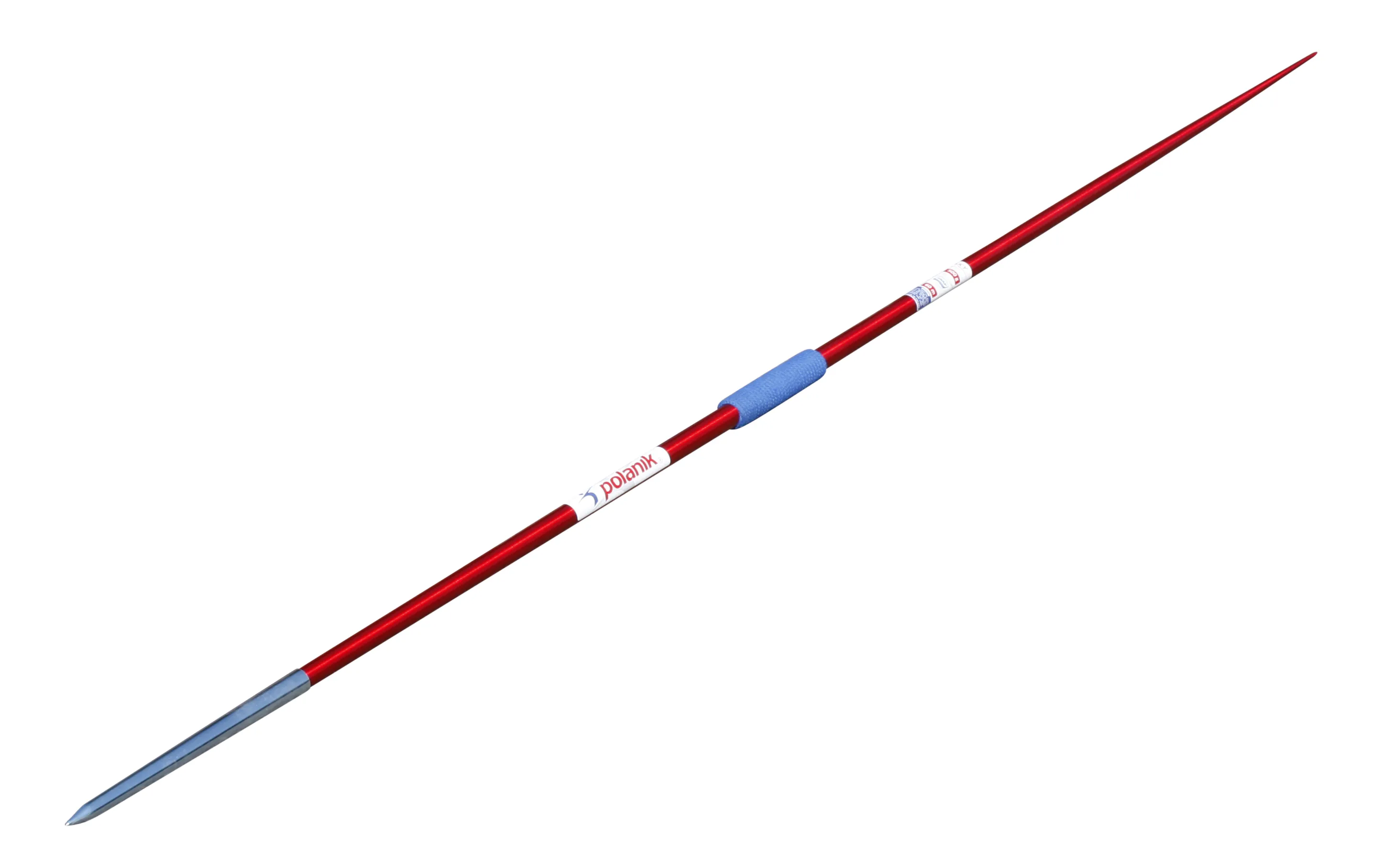
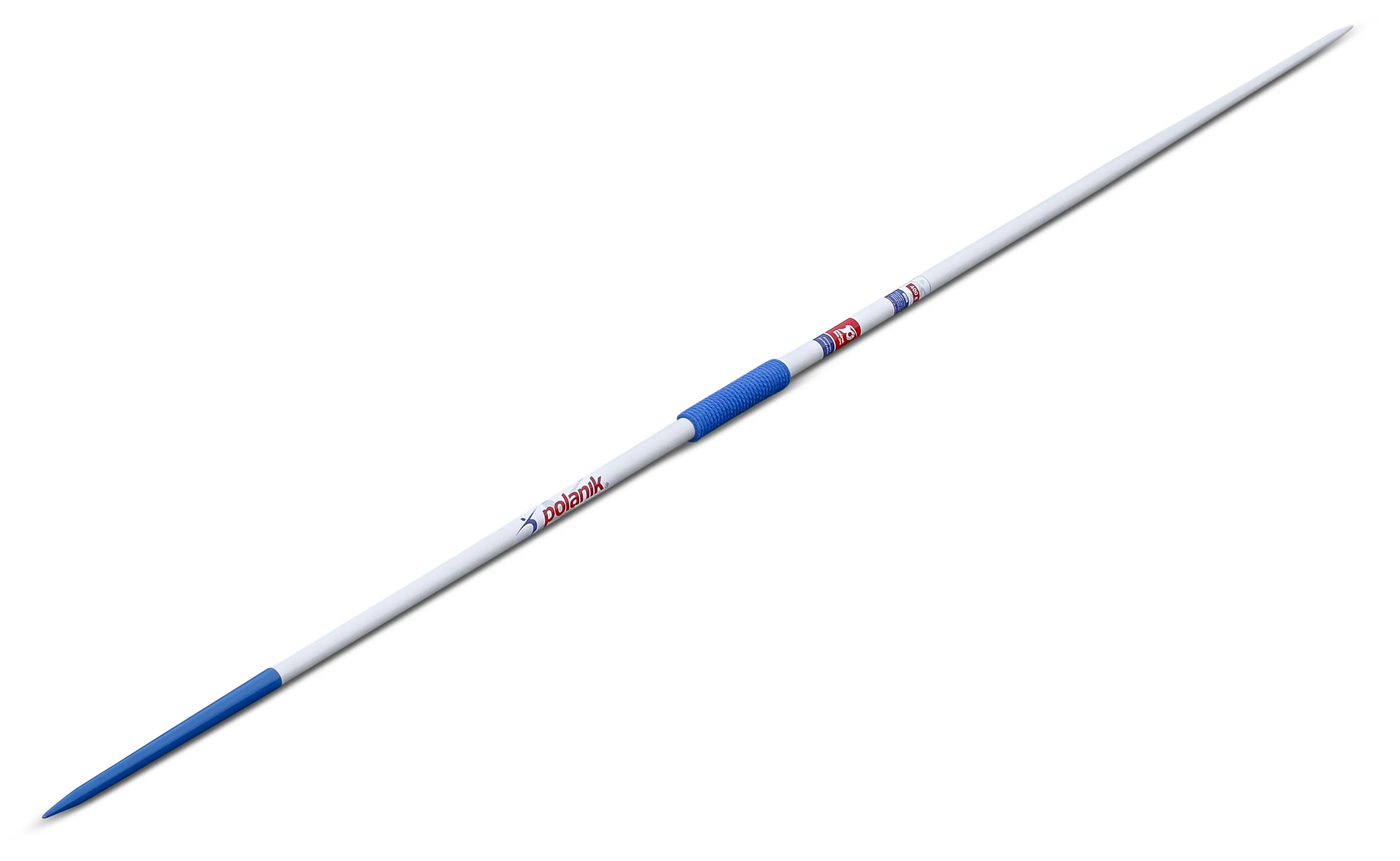
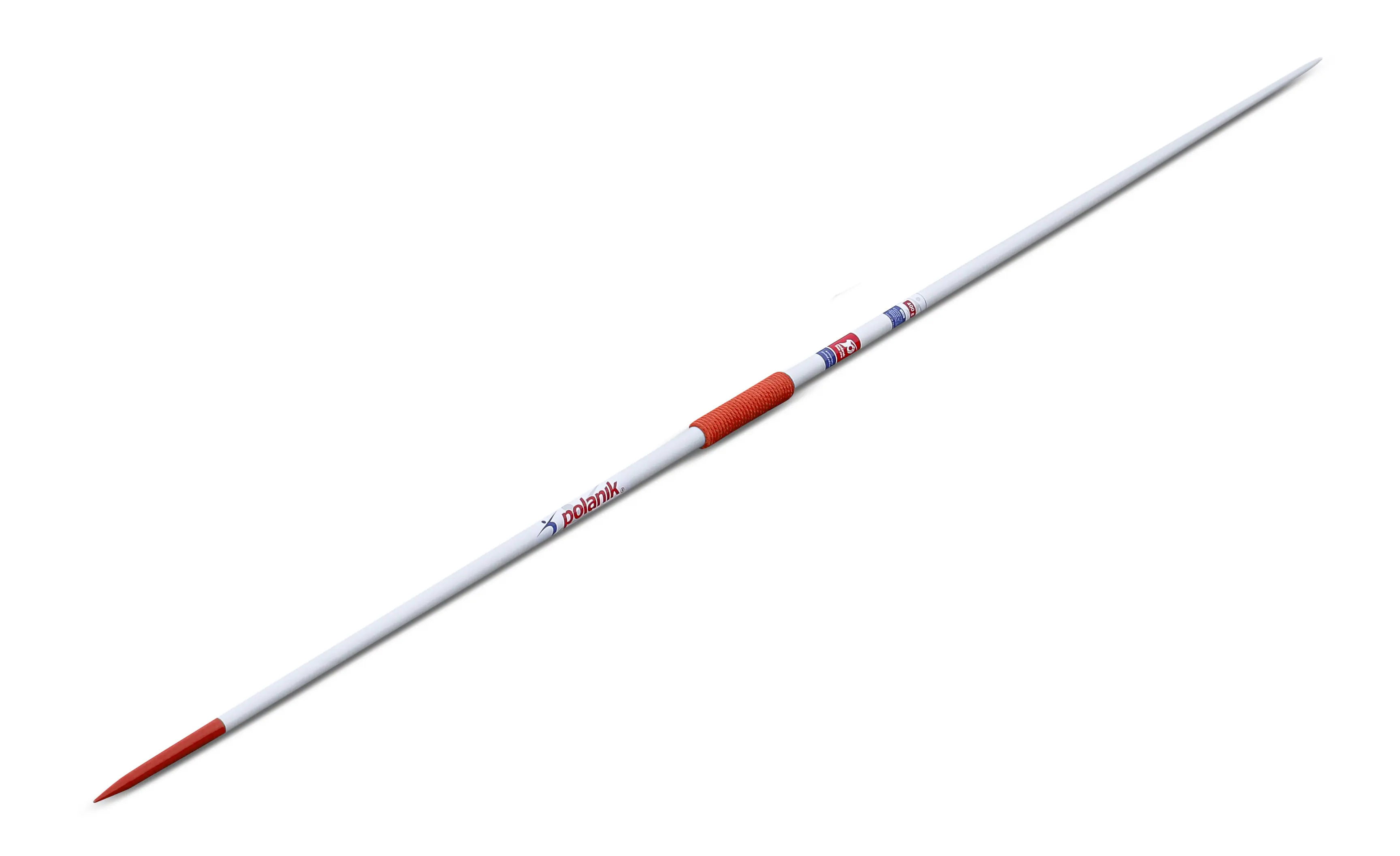
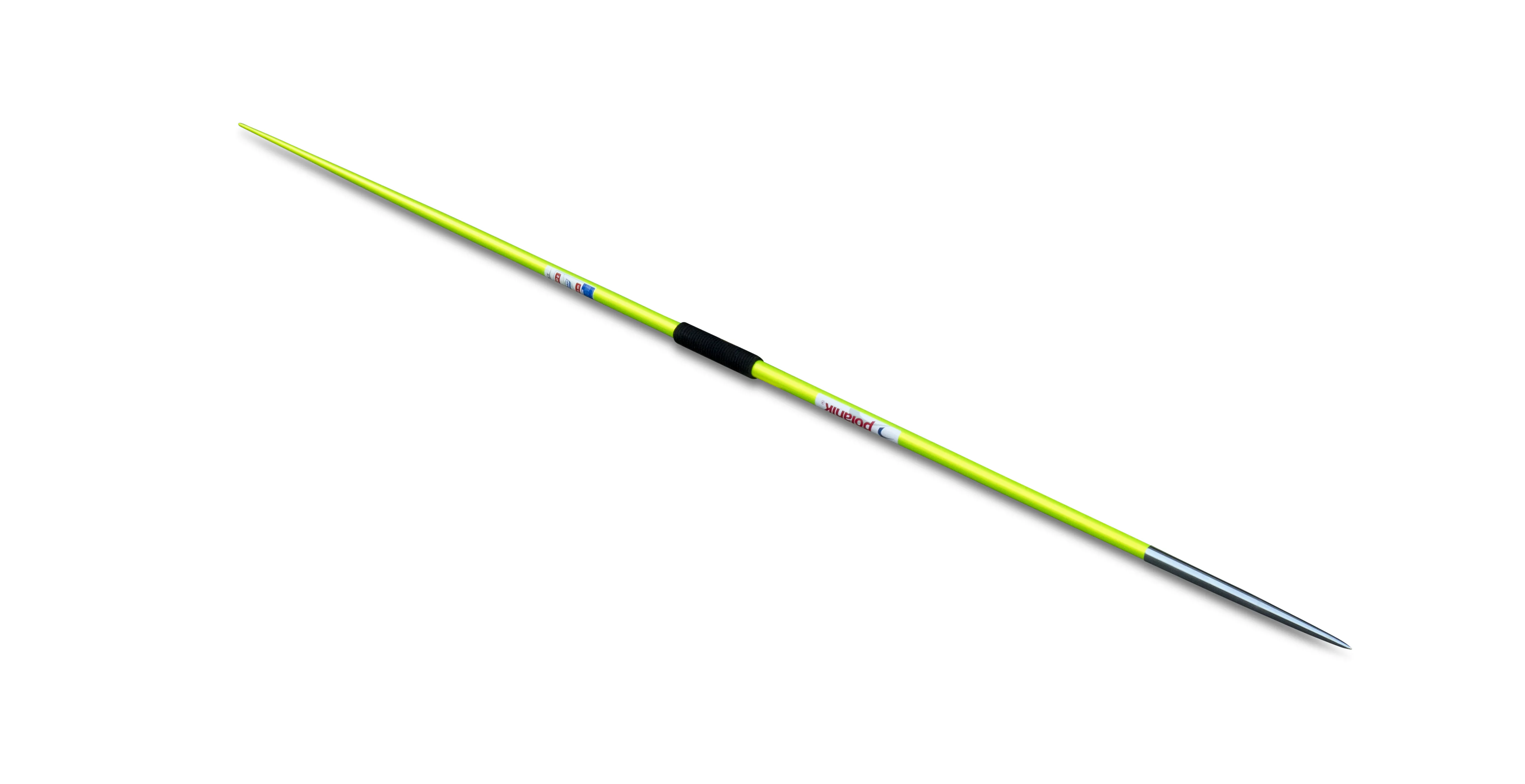
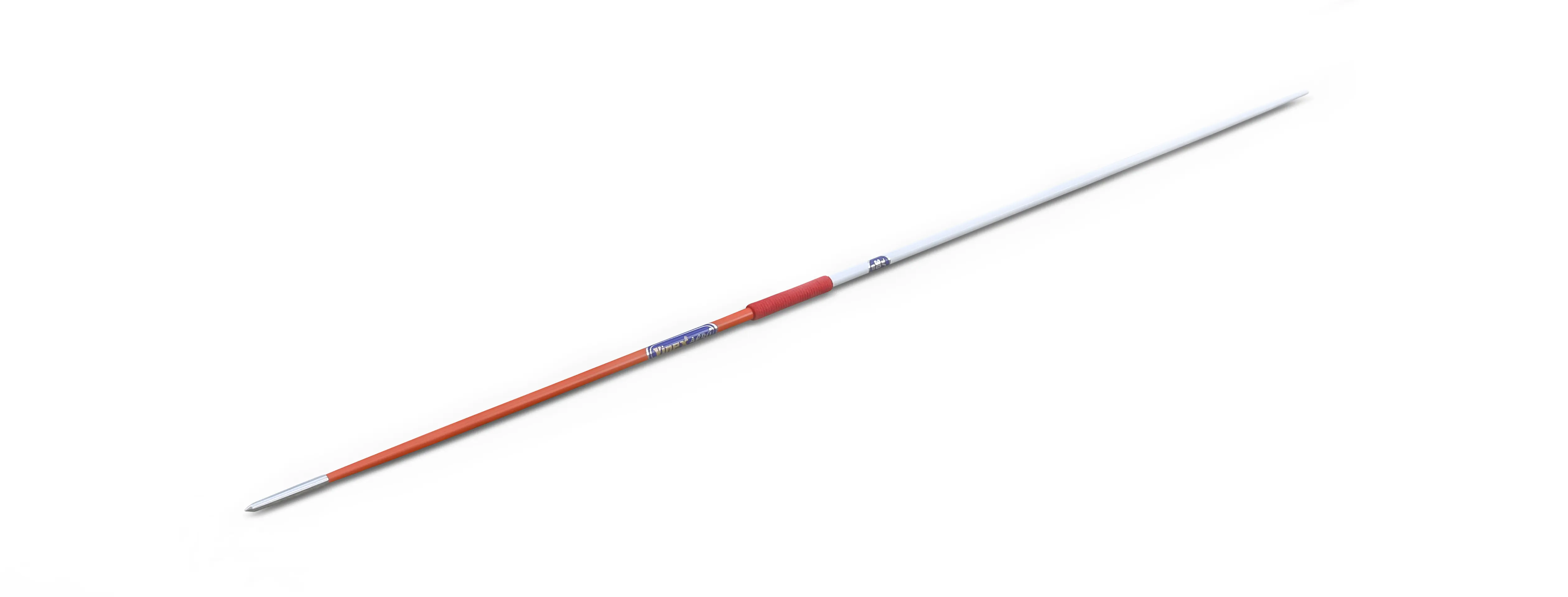
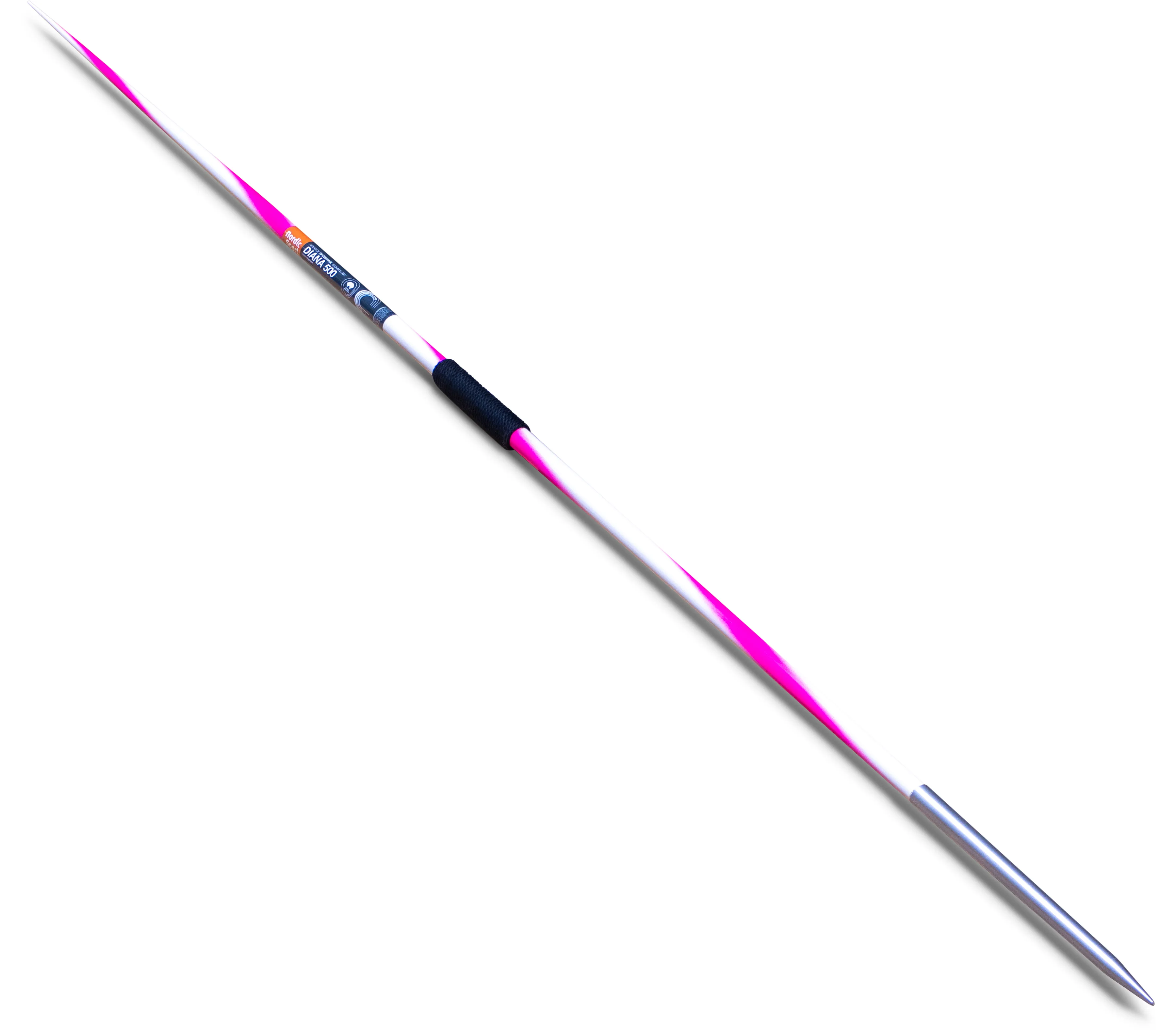
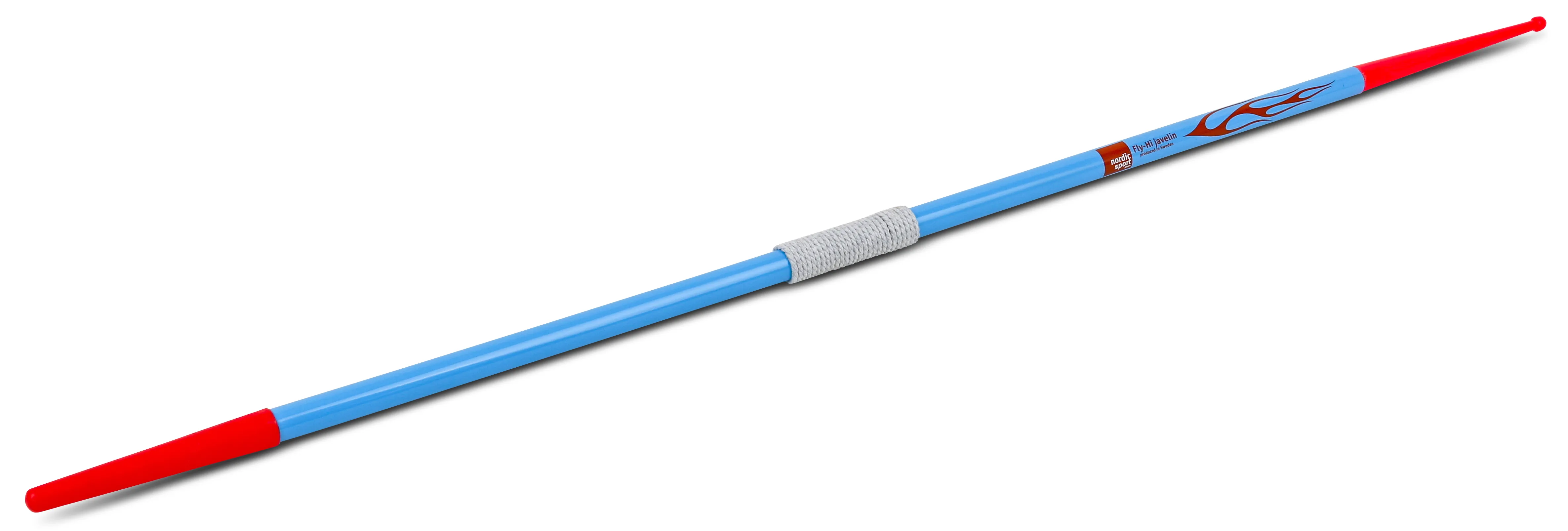
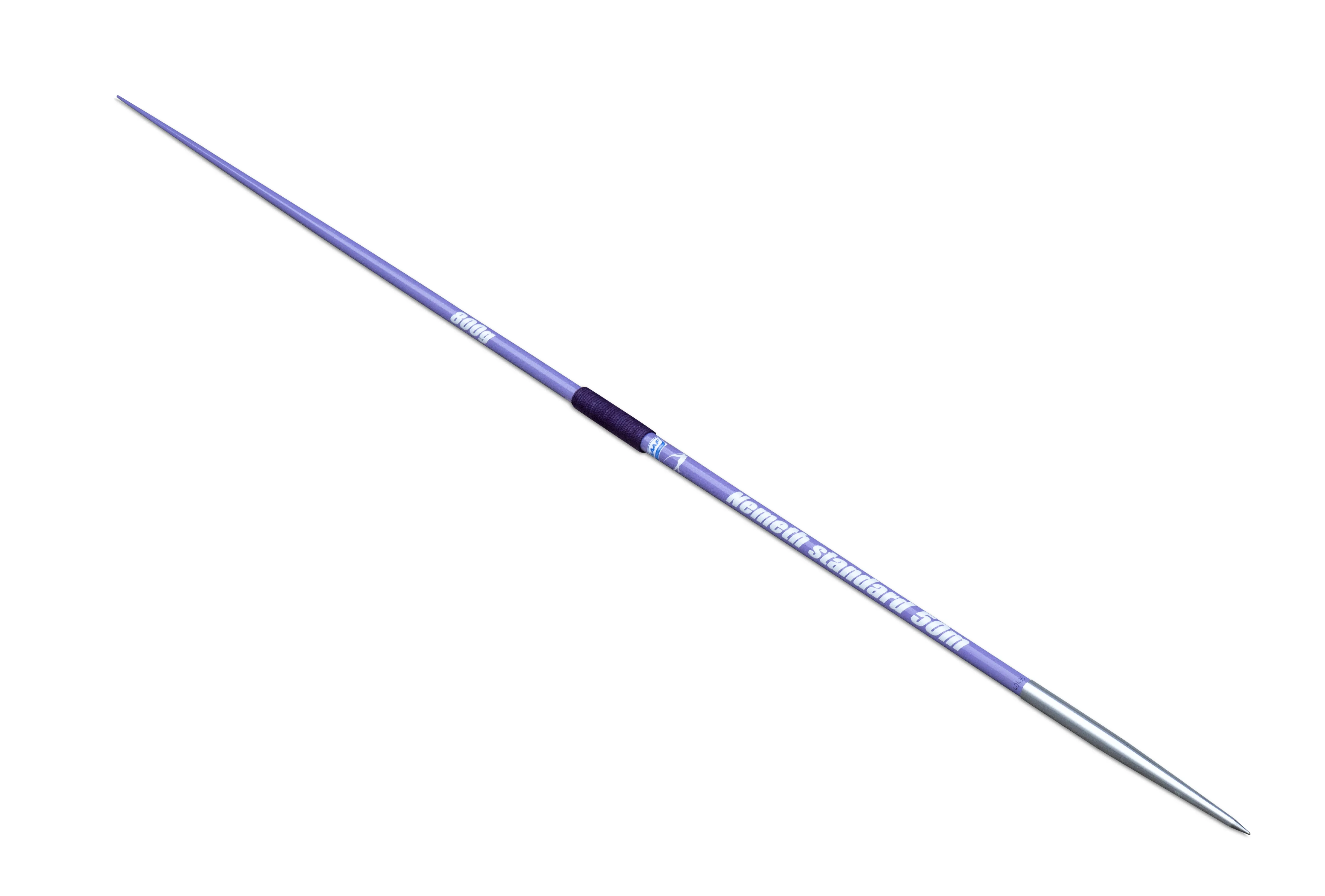

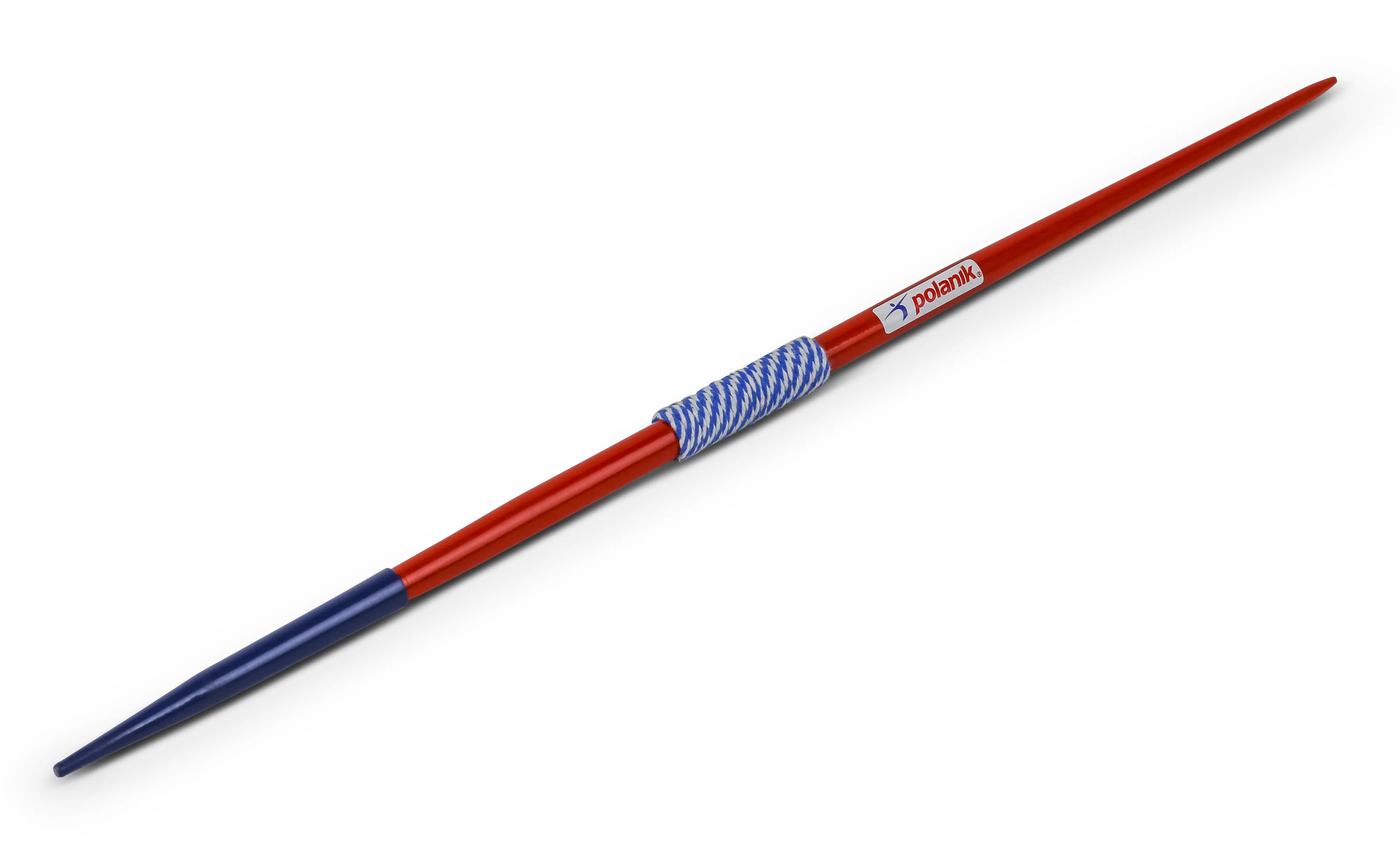
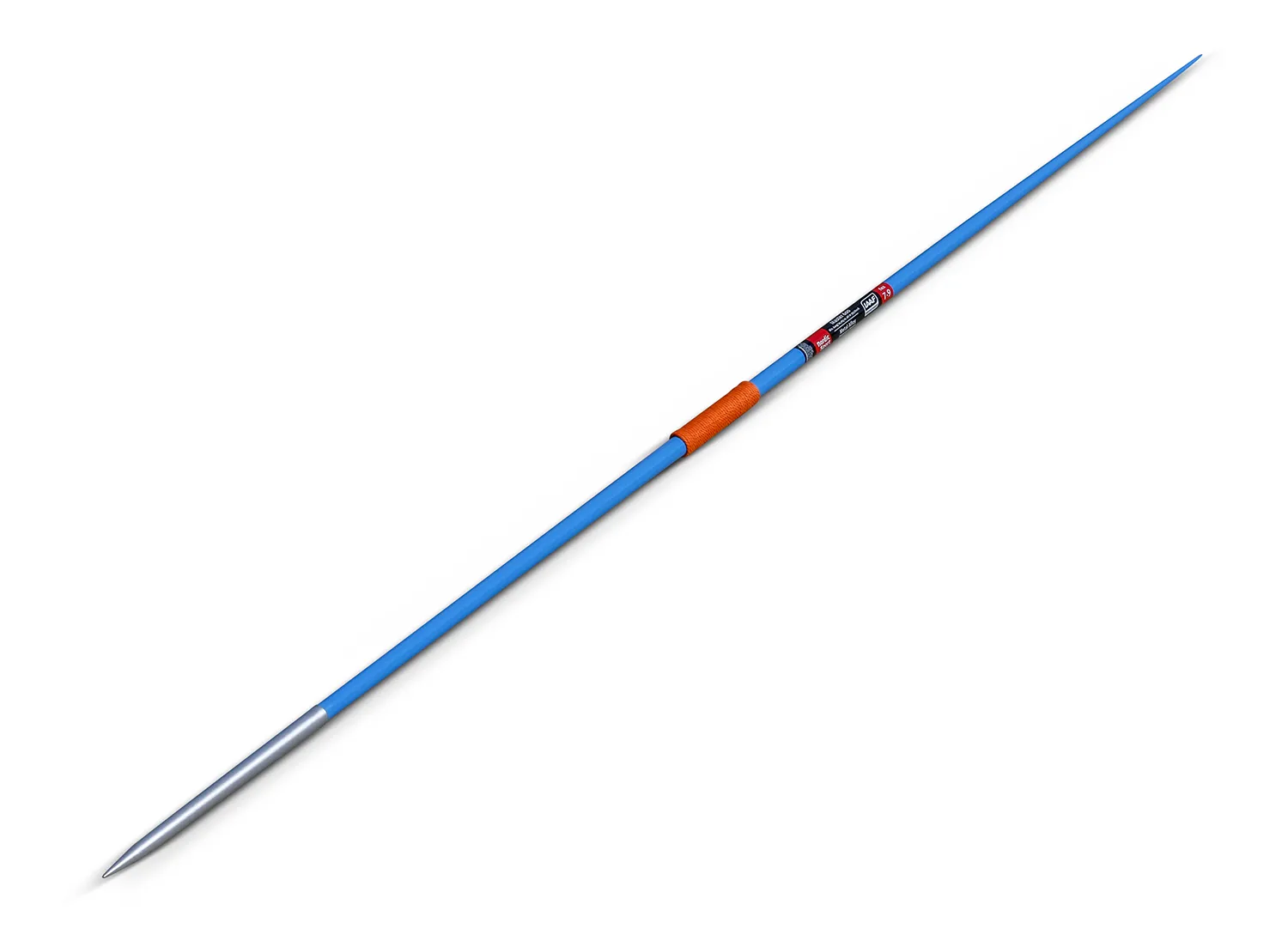
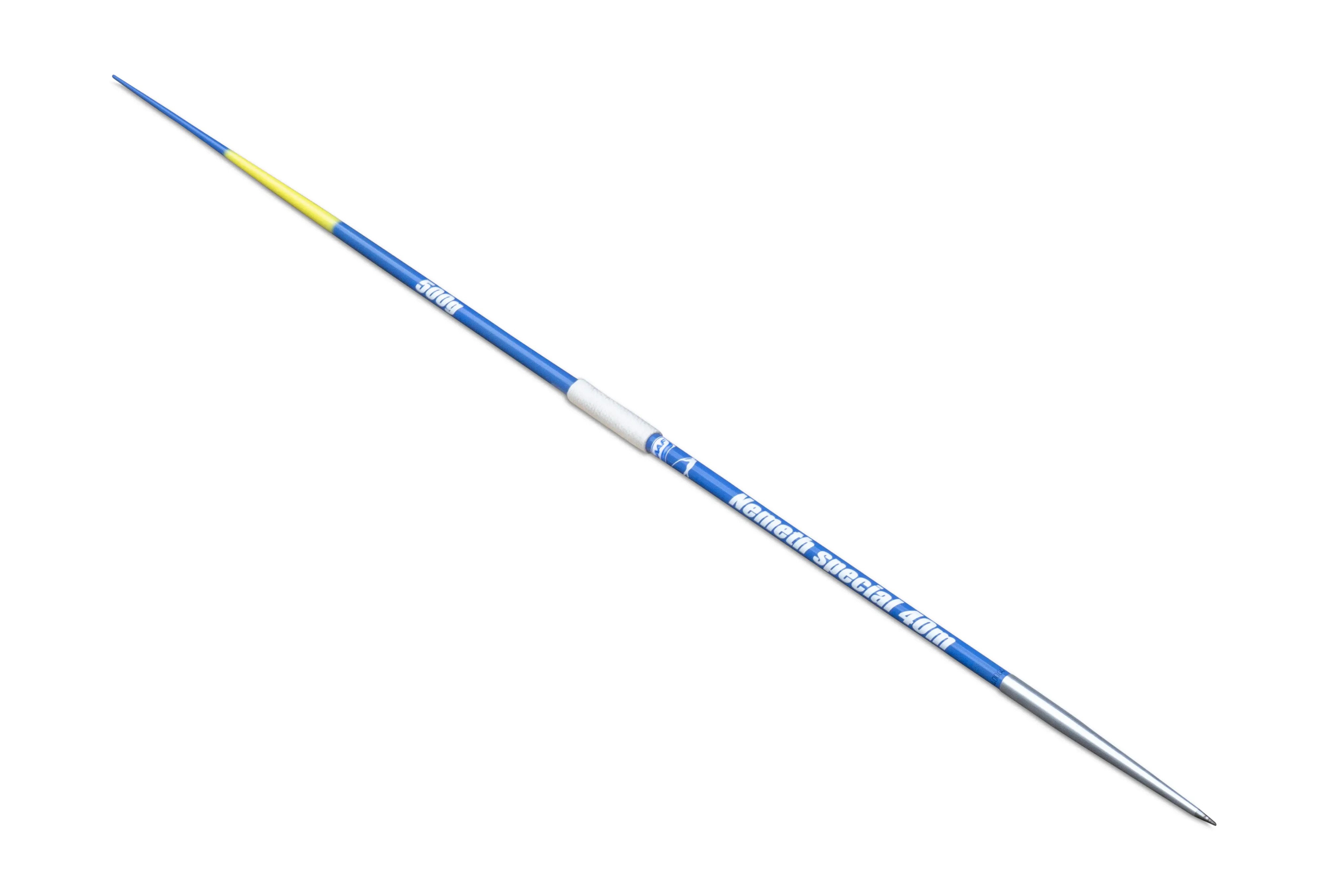
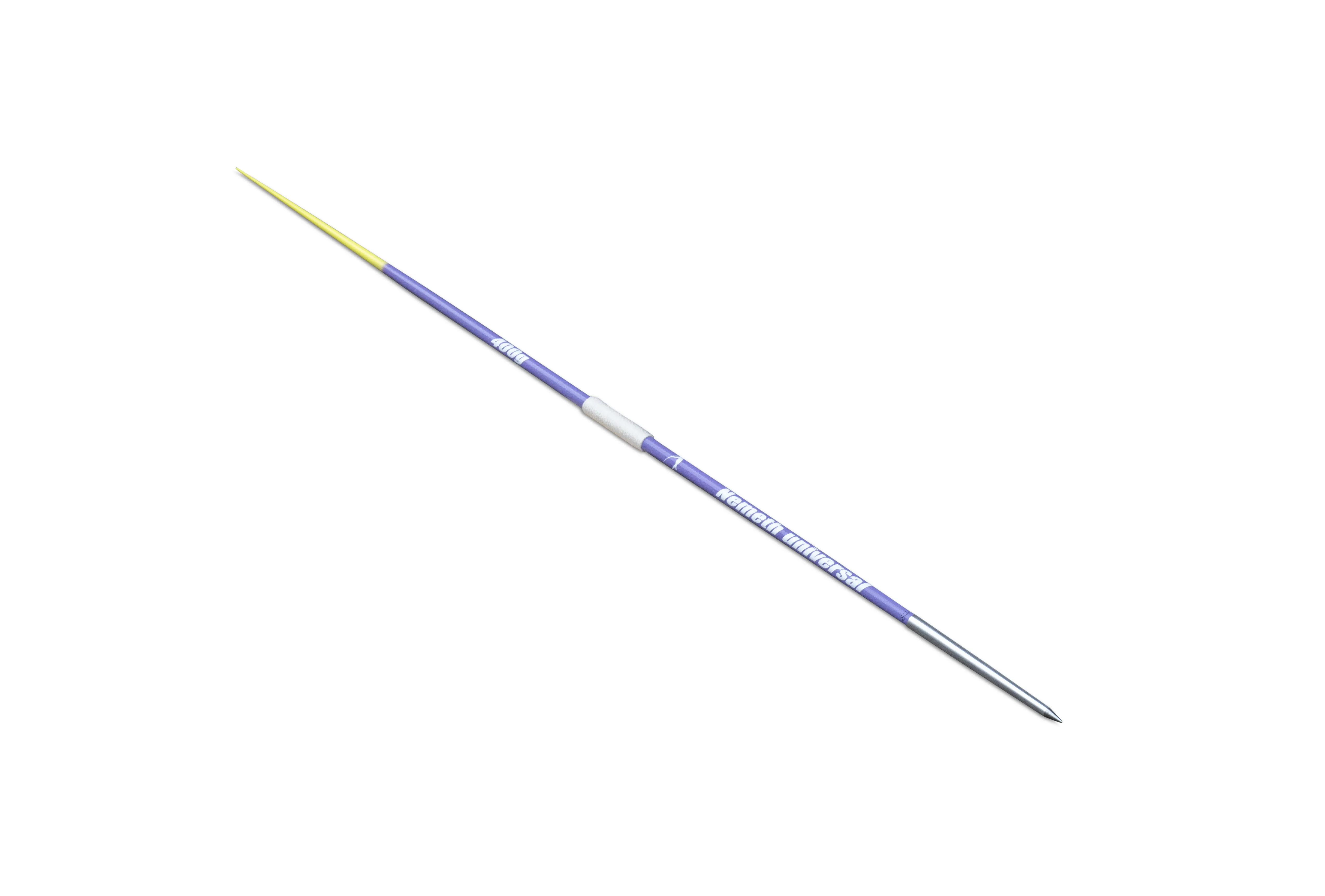
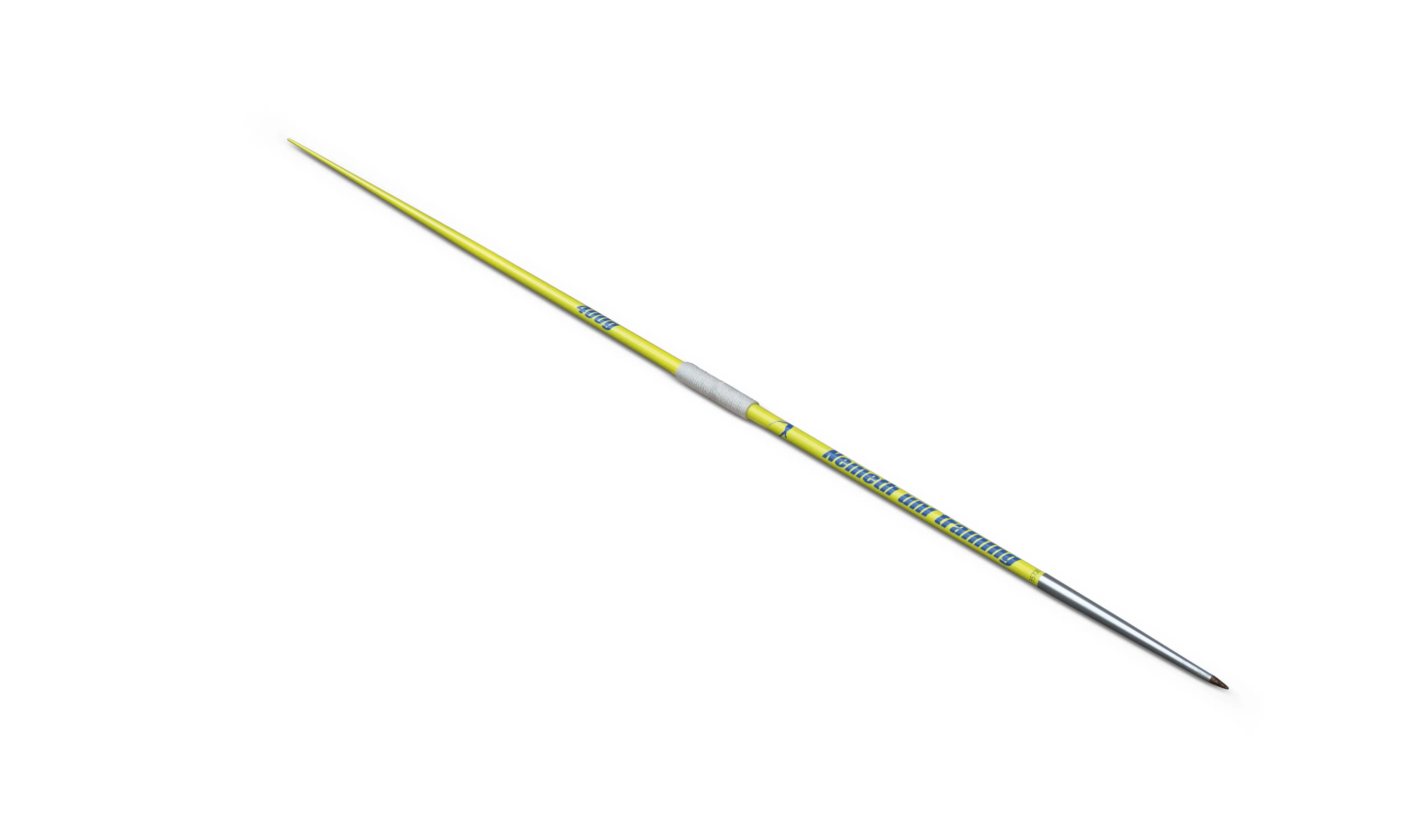
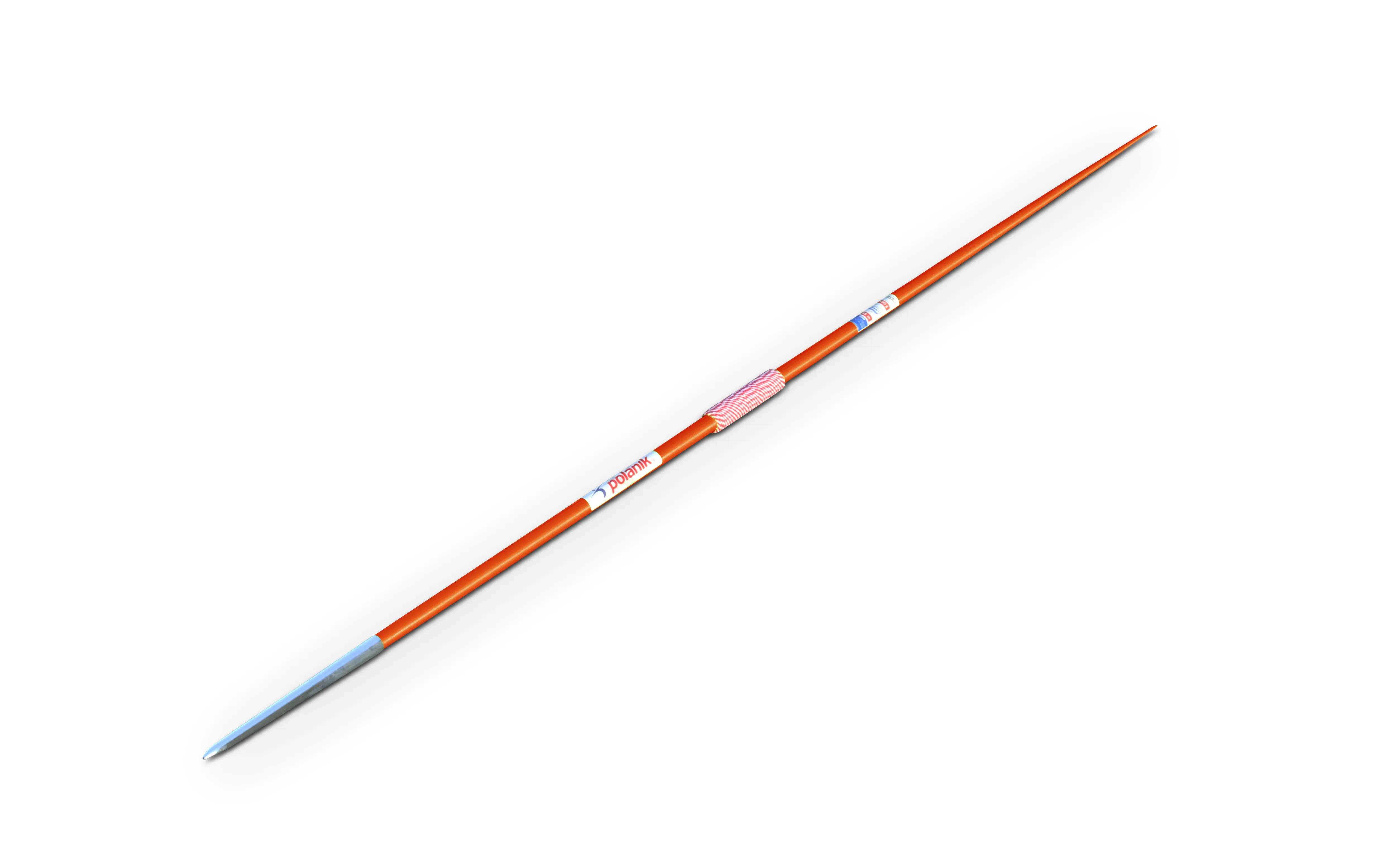
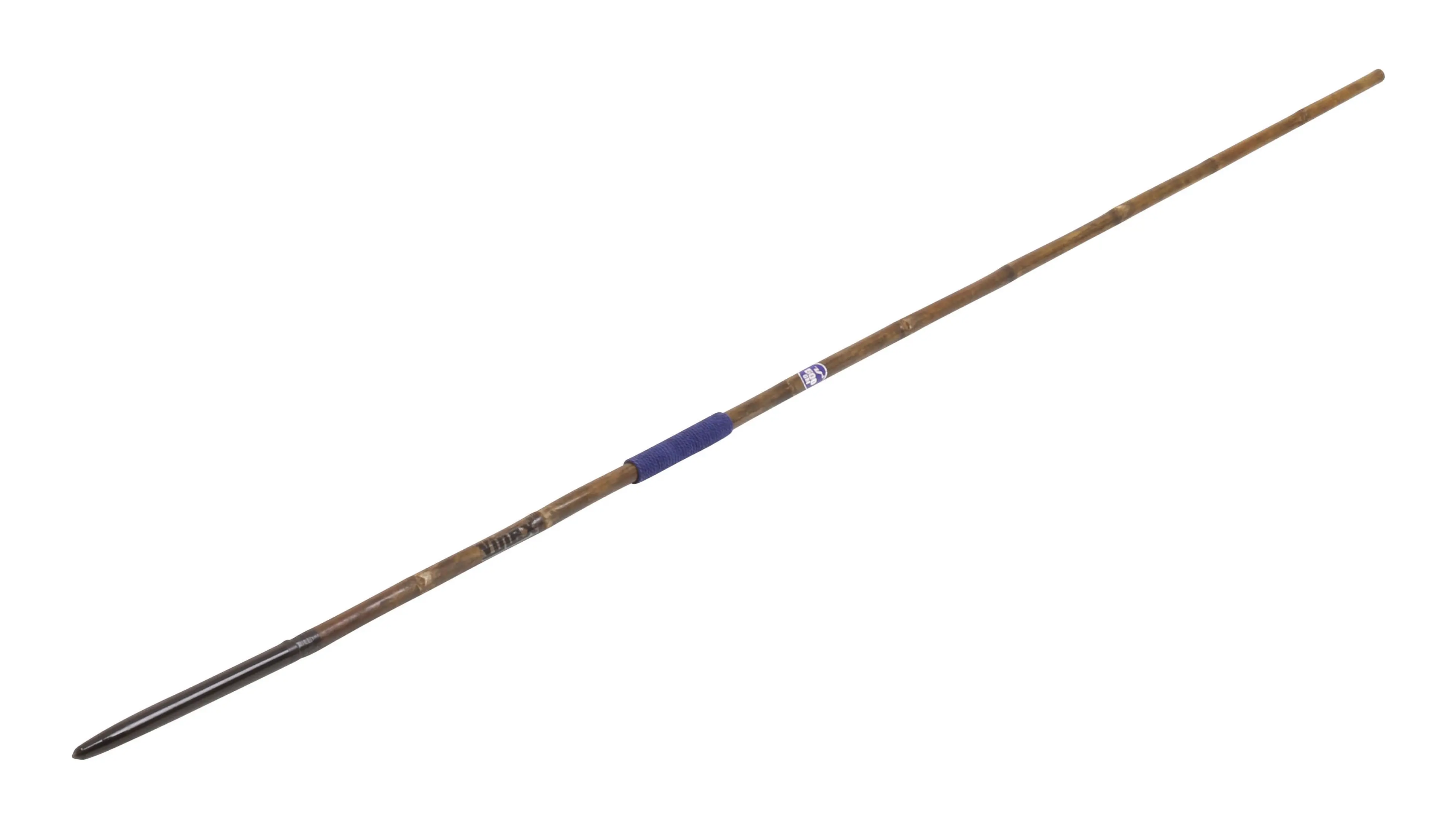
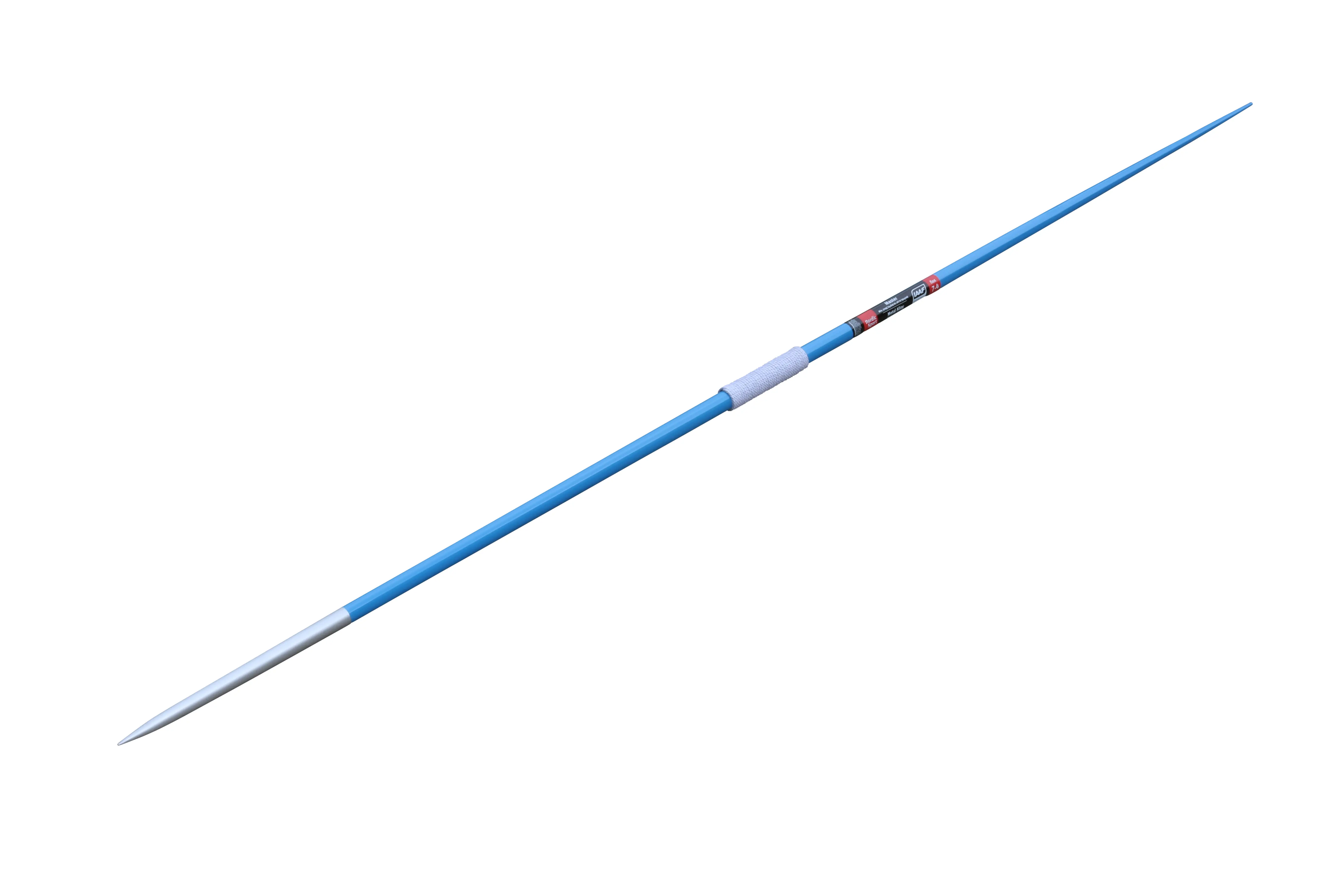
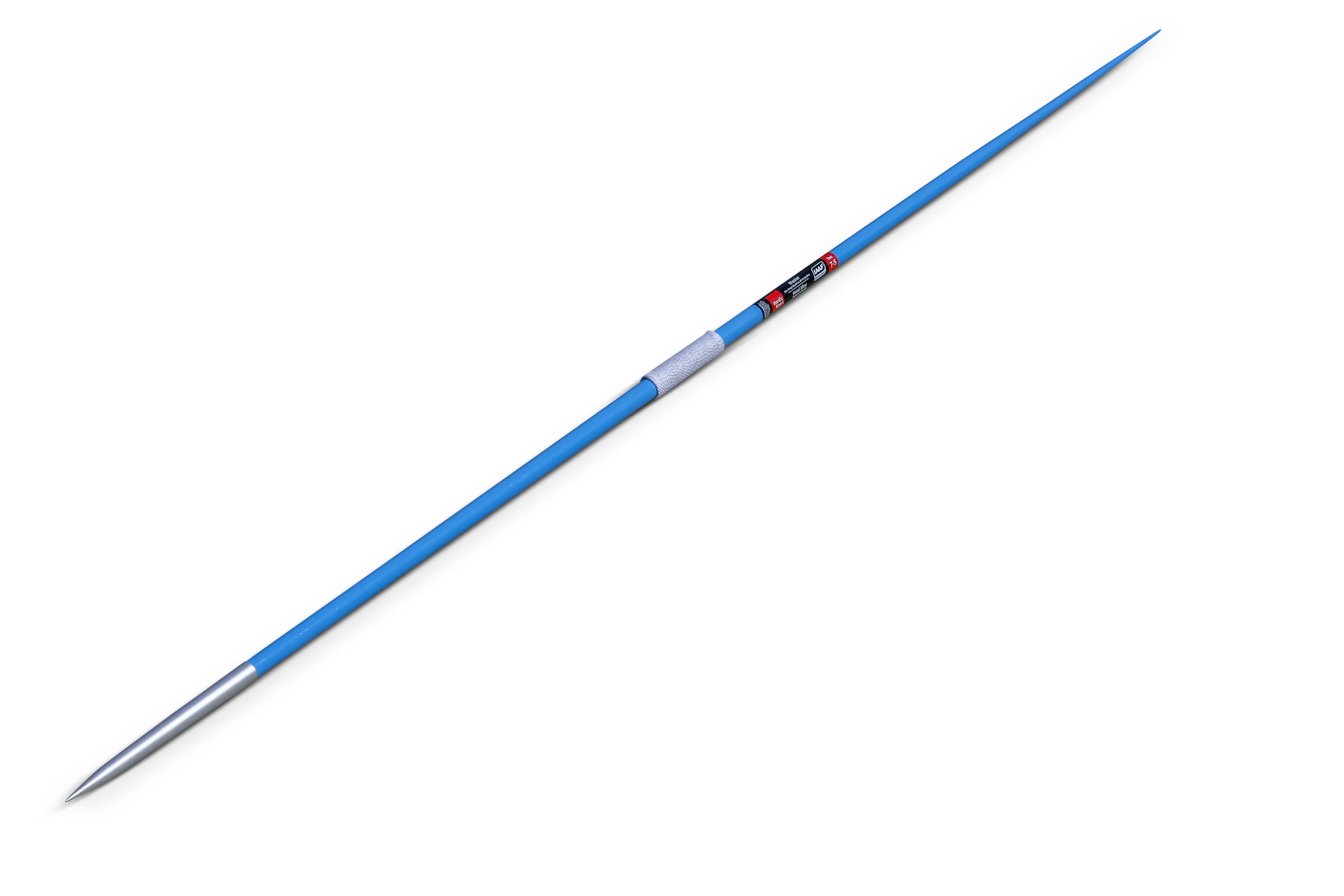
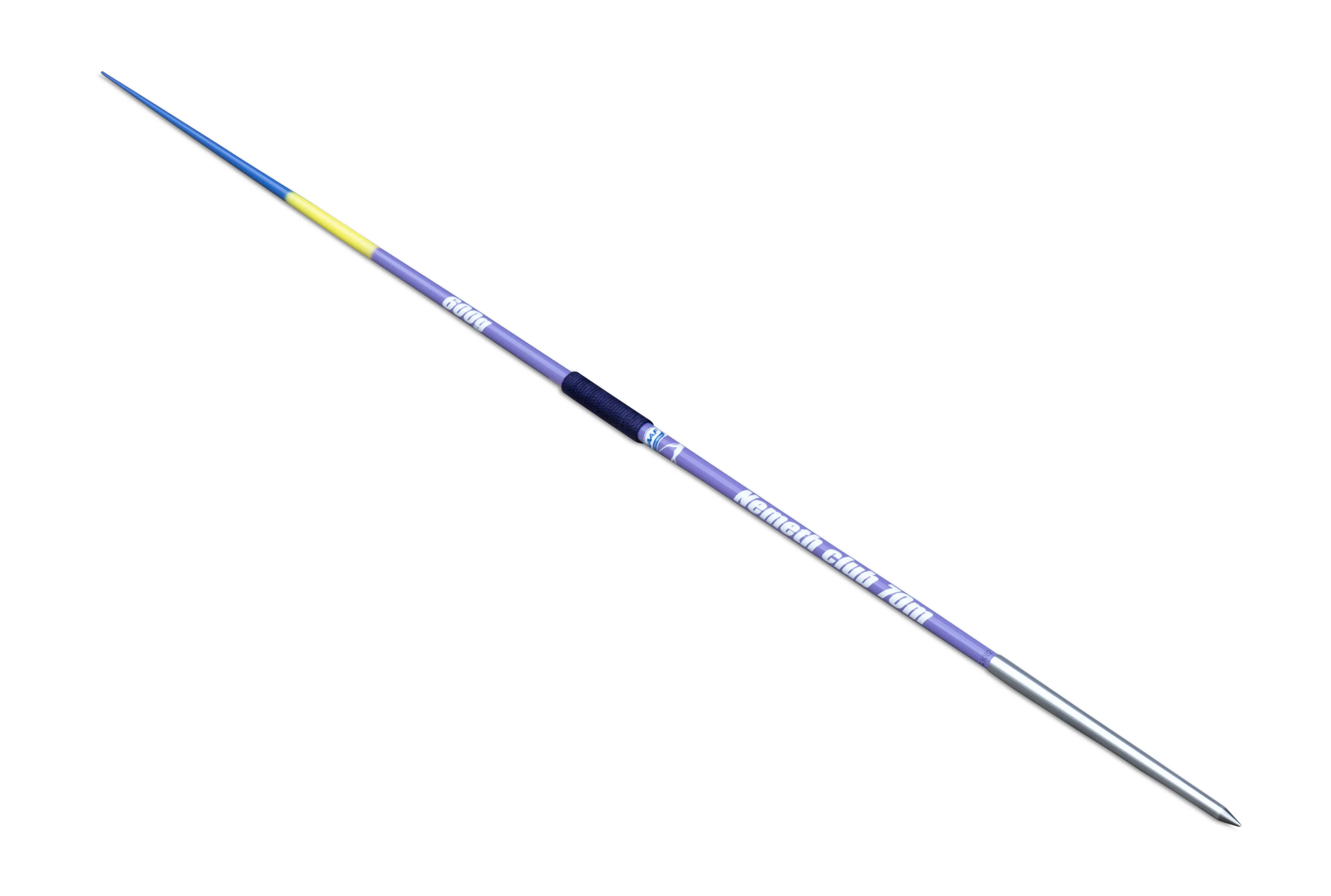

What are the Characteristics and Distinctive Features of Javelins?
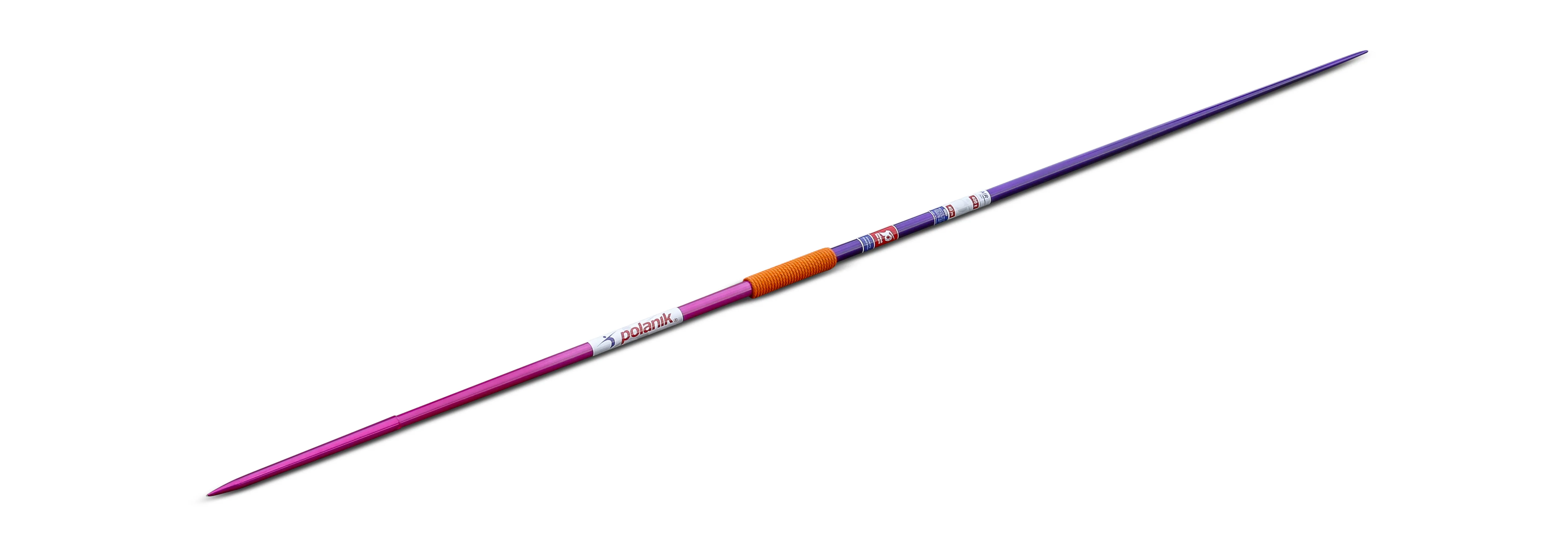
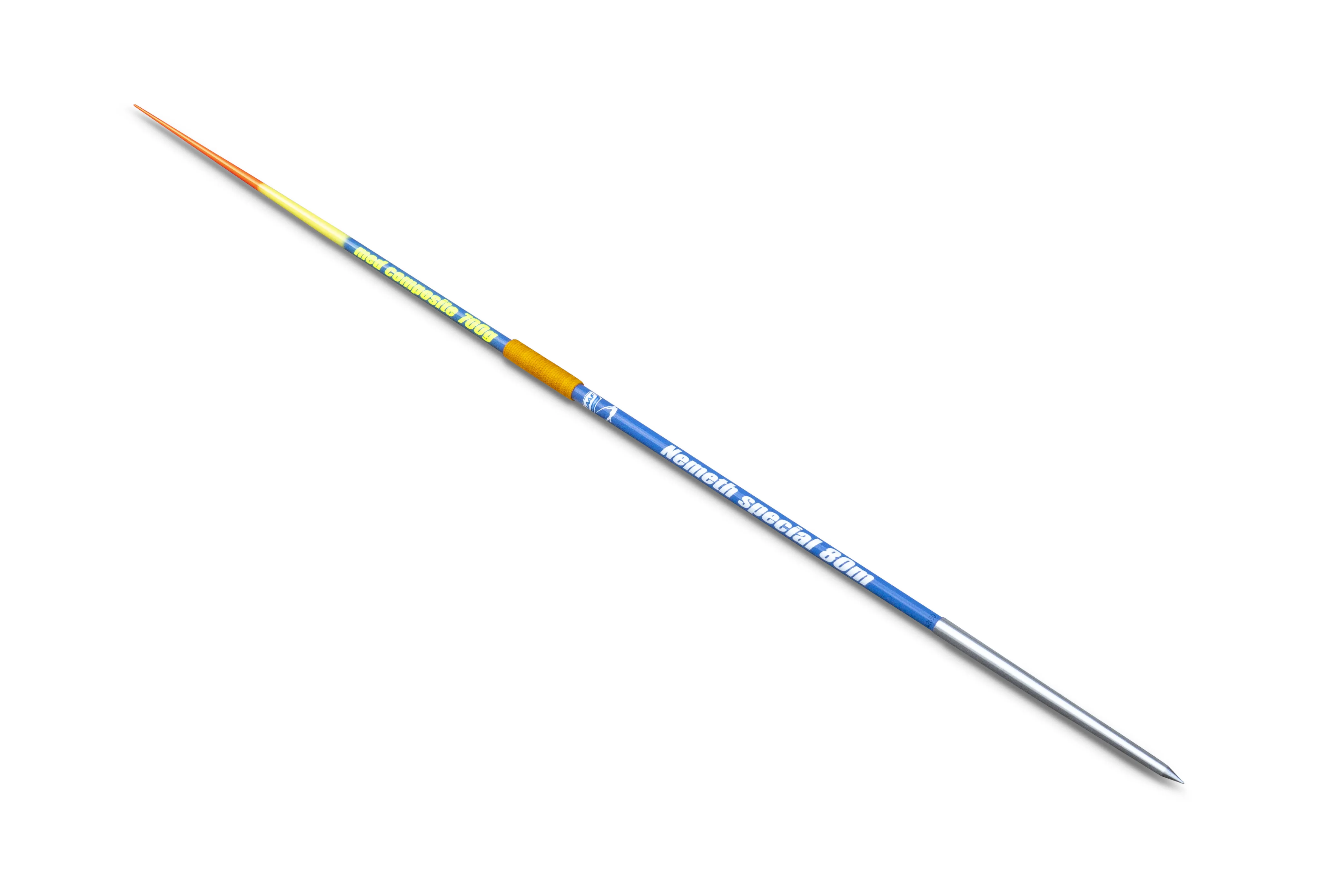
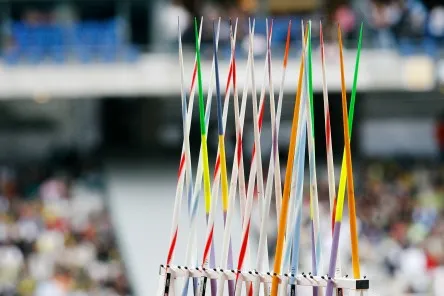
At Full Athletics we offer a large selection of javelins from Polanik, Nordic, and Nemeth as well as special training javelins and those suitable for indoor use. Almost all of our competition javelins are certified by the international governing body for athletics, World Athletics Federation.
This means they have been approved for use in international competitions and enjoy an outstanding reputation. We also offer a selection of training and competition javelins from Vinex, available in different weight categories and with a range of different characteristics.
Choosing the Right Javelin
Selecting the correct javelin requires careful consideration. It is not simply the case that the most expensive javelin is the correct one. A high-performance javelin may look impressive but is the wrong choice for a beginner and may ultimately harm the development of the athlete. The wrong javelin can also lead to injury. It is important to find the right balance between stiffness, the javelin's center of gravity, the javelin's tip type, and the material from which the javelin is constructed. We highly recommend speaking with one of our experts before making a purchase, to ensure the selected javelin is suitable for both the athlete and their ability.
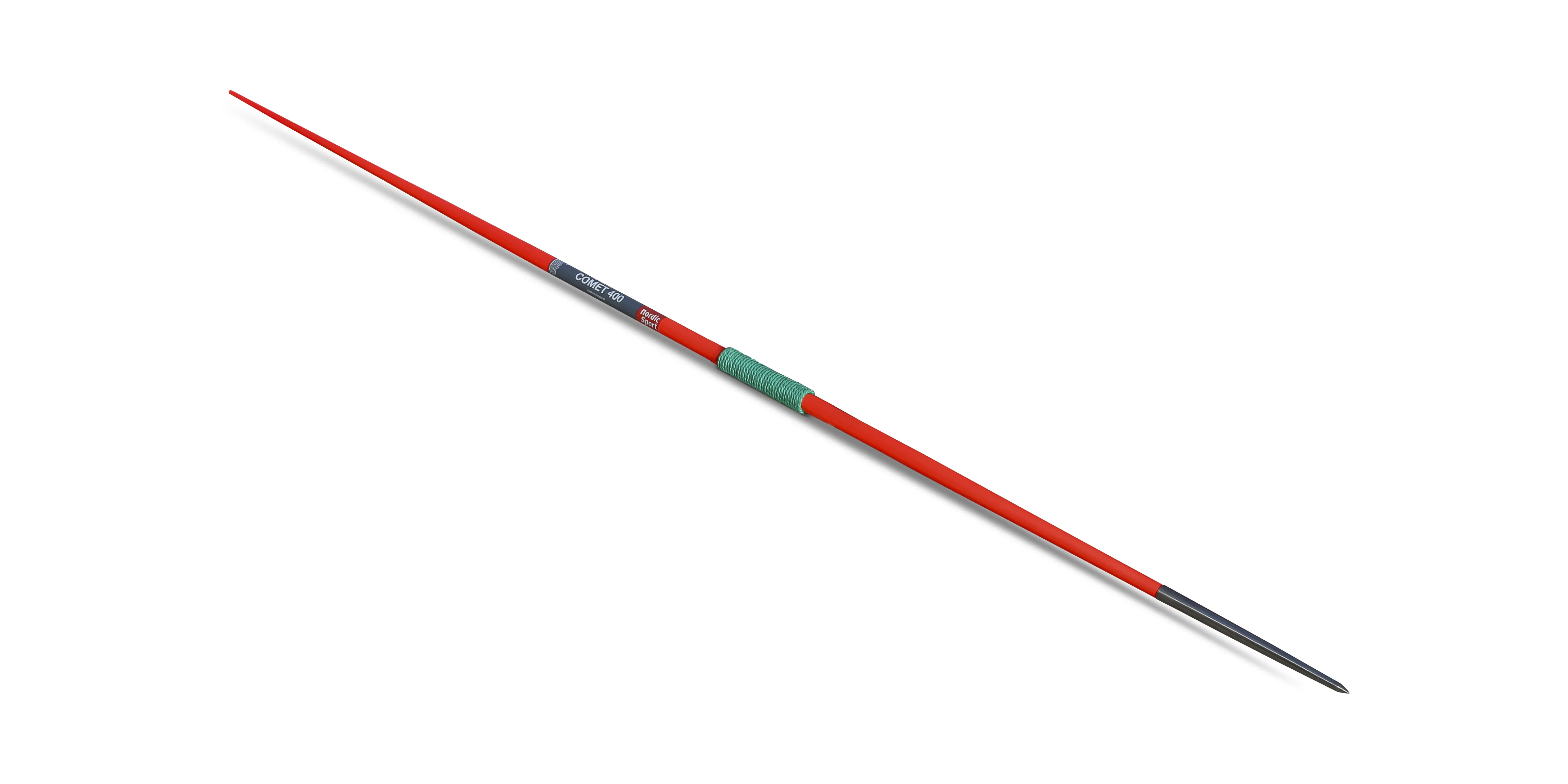
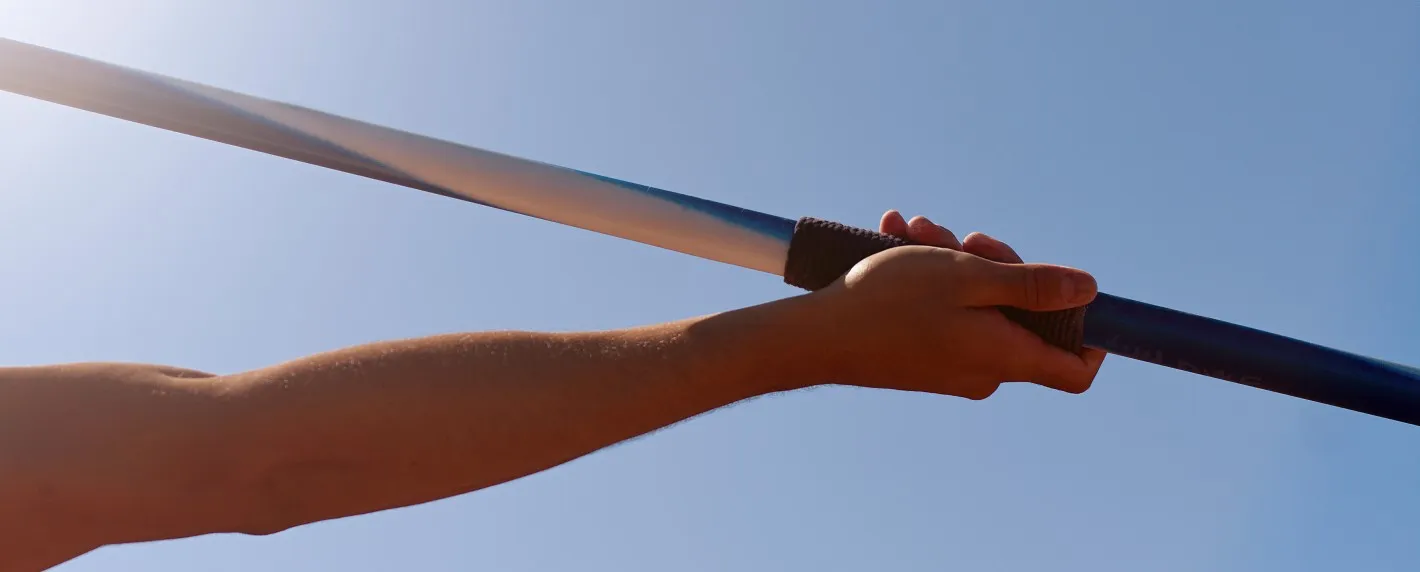
An important aspect to consider when selecting a javelin is the material from which it is made. Javelins are comprised of a solid shaft, a metal tip, and a cord grip.
A javelin's shaft can be made from multi-tempered aluminum, steel, or carbon. The material of the shaft determines the overall stiffness of the javelin. Softer javelins are typically used during training sessions, as they are more likely to highlight an incorrect or poorly executed throw. Stiffer javelins made from steel or carbon are used in competitions. All javelins have a metal tip.
Javelins weight between 400 g and 800 g, depending upon the age and gender of the athlete. Female athletes will typically throw a javelin of 600 g in competitions, whereas male athletes will use one of at least 800 g. In junior and senior competitions, athletes use a javelin of between 500 g and 700 g. Javelins of up to 1000 g can be used during training. Children's javelins begin at a weight of 270 g.

Training Javelin or Competition Javelin?
Consider the circumstances in which you plan to use the javelin when choosing between a training javelin or one suitable for competitions. A training javelin is a perfect choice if it will primarily be used for training or in schools. If you're intending to use the javelin in competitions, you must choose a competition javelin that conforms to competition regulations.
Selecting the Right Javelin from One of the Leading Javelin Manufacturers
Tip type, the center of gravity, material, and distance capability - which javelin is ideal for which conditions? How can I tell if a javelin is particularly suitable for tailwind or headwind? There is a lot of misinformation concerning the correlation between these characteristics and a javelin's suitability. There are, in fact, considerable differences between the different types of javelin available. The most decisive factor, however, is the relationship between the javelin and the athlete. If you have any questions or would like to discuss these different types of javelins further, please give us a call or email us for advice from one of our javelin experts.


Javelin Throwing in Schools and Clubs
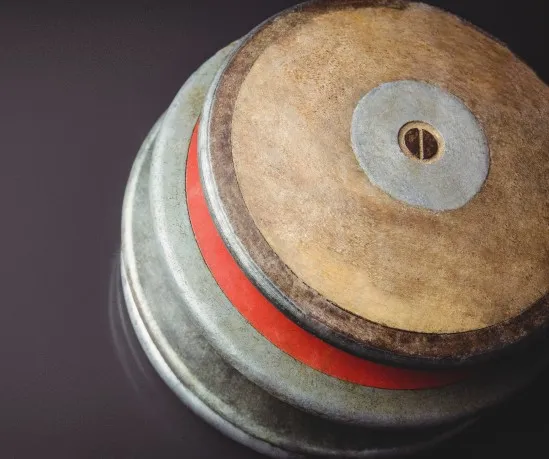
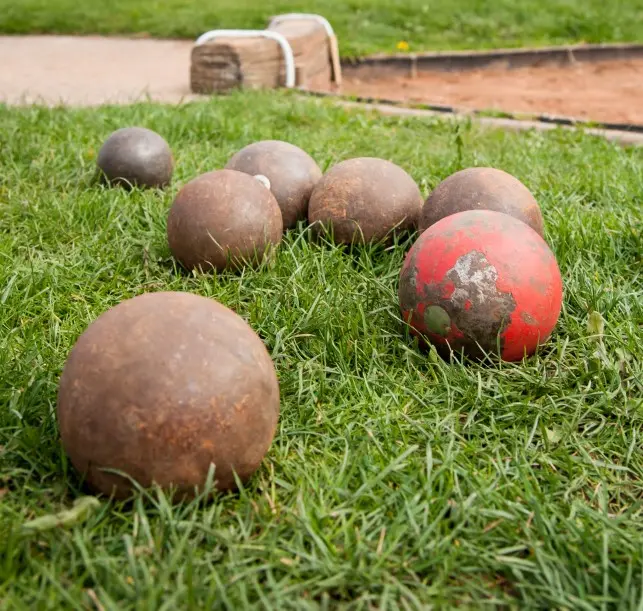
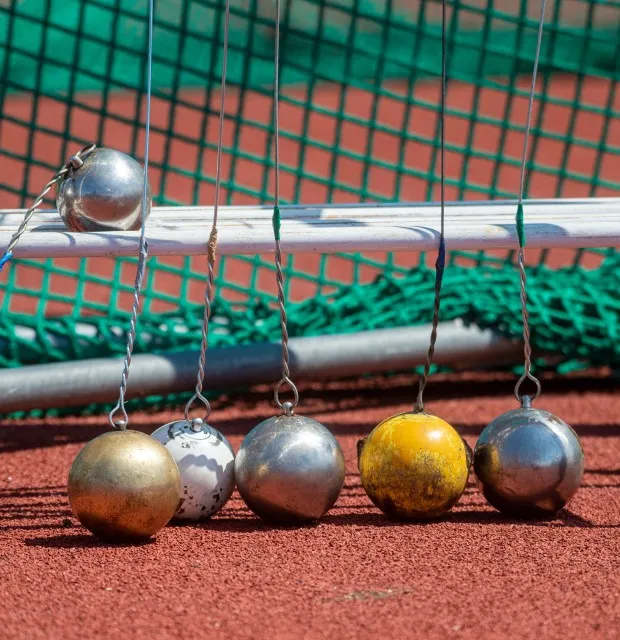
Throwing sports are particularly popular in schools and clubs, with hammer throwing, shot put and discus just as well-loved as javelin throwing.
Javelin throwing is an intriguing discipline to many and students are often keen to take a turn in trying it for themselves. This type of discipline trains a multitude of movements that are, technically, very difficult. Because of this, the health and safety of the athletes must always be taken into consideration.