


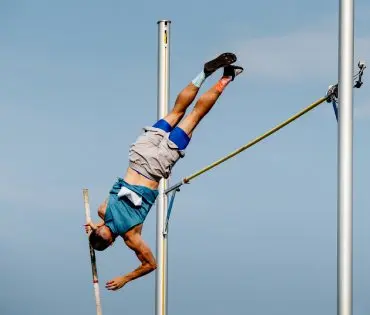
Pole vaulting is a test of skill, dexterity, strength, and precision. Here at Full Athletics, we offer high-quality pole vaulting equipment suitable for beginners as well as professionals and for use in competitions.
Our assortment of equipment and accessories have been carefully chosen to maximize achievement whilst maintaining the safety of the athlete at all times. To buying guide »
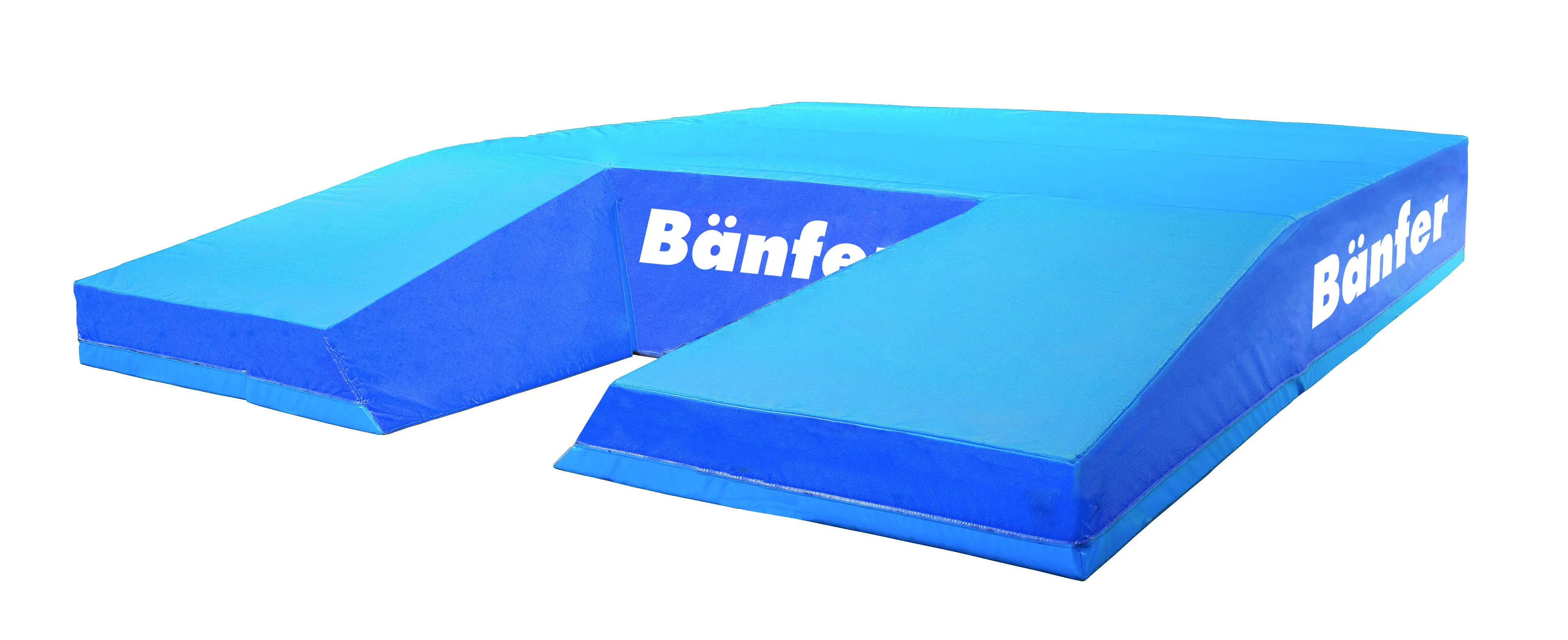
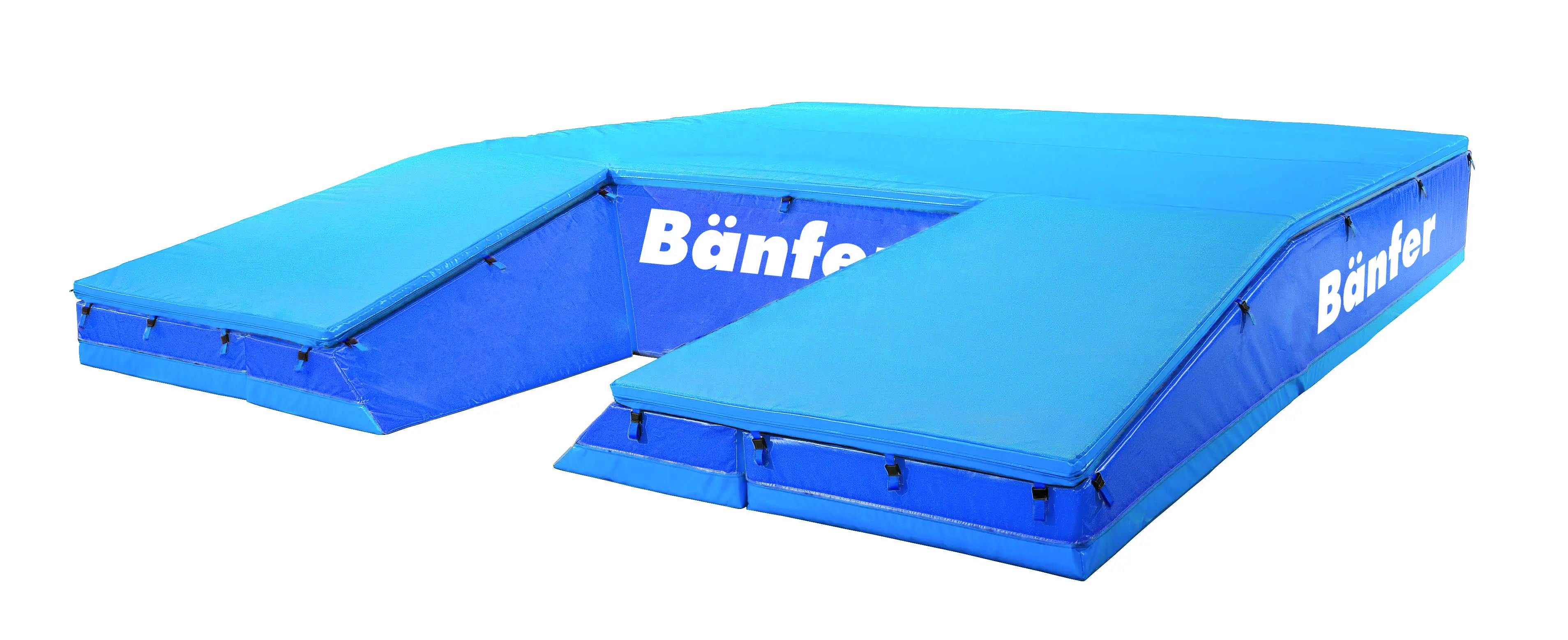

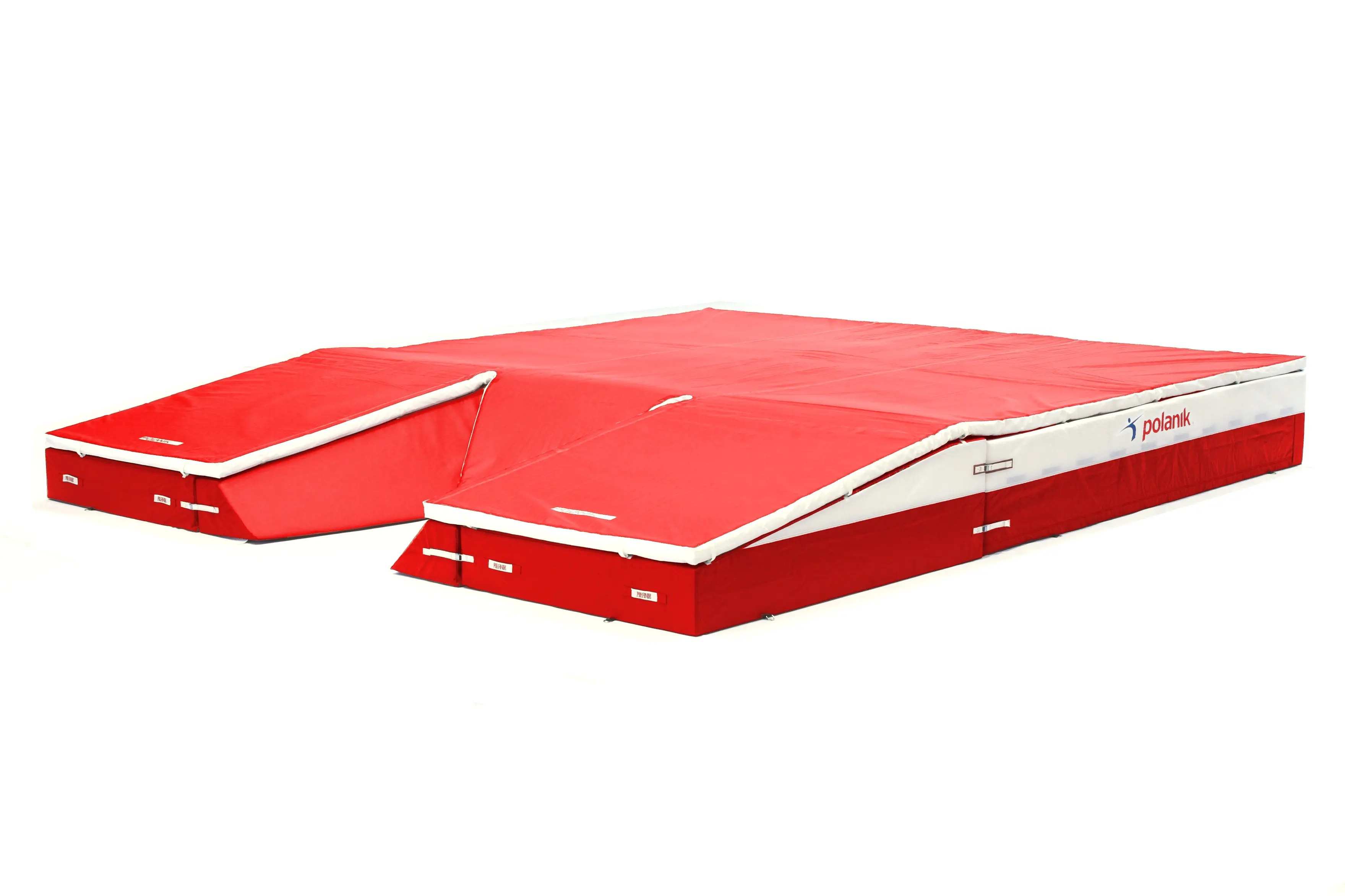
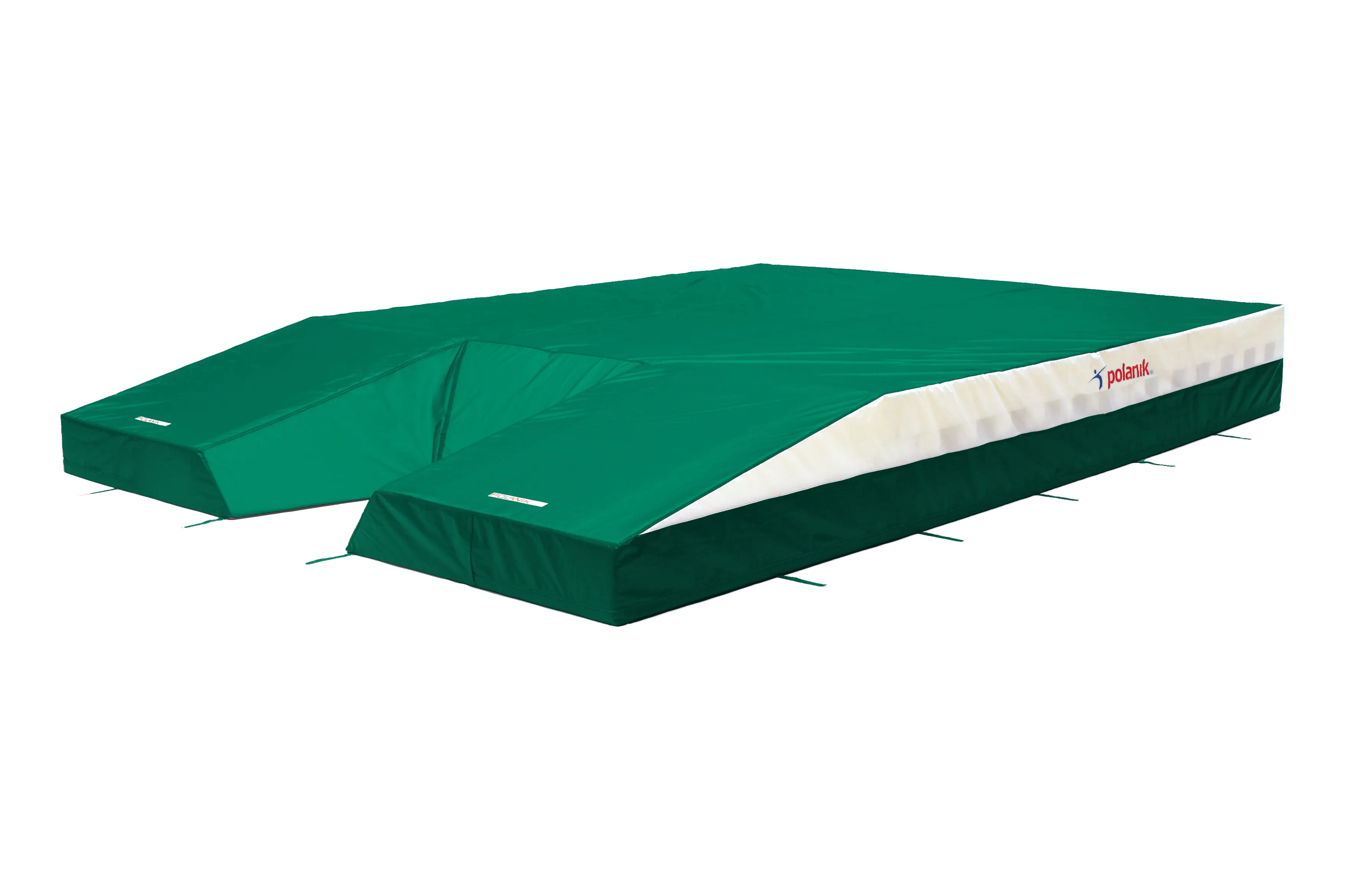
Polanik Monocube Pole Vault Mat - 7 x 5 x 0.8 m
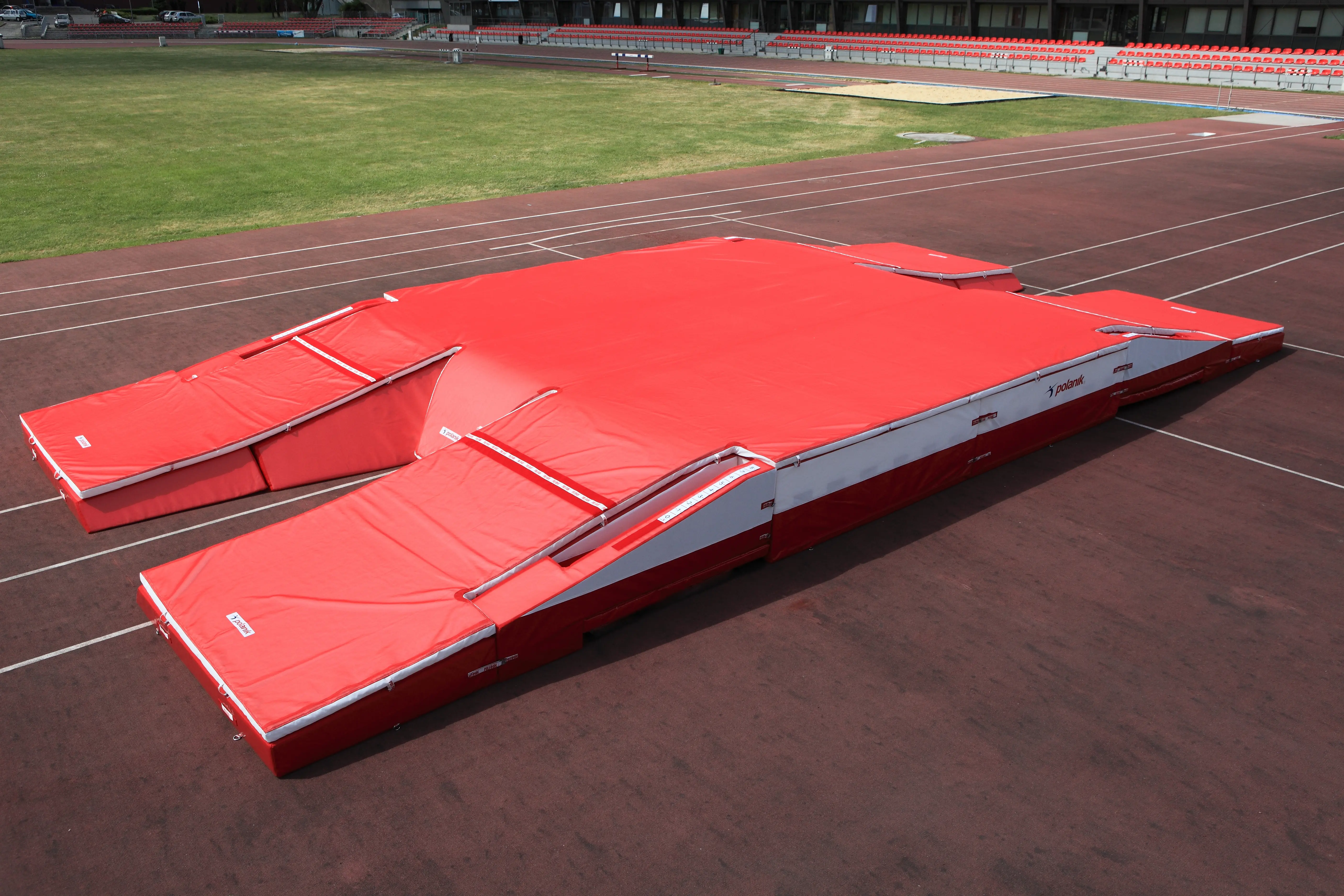
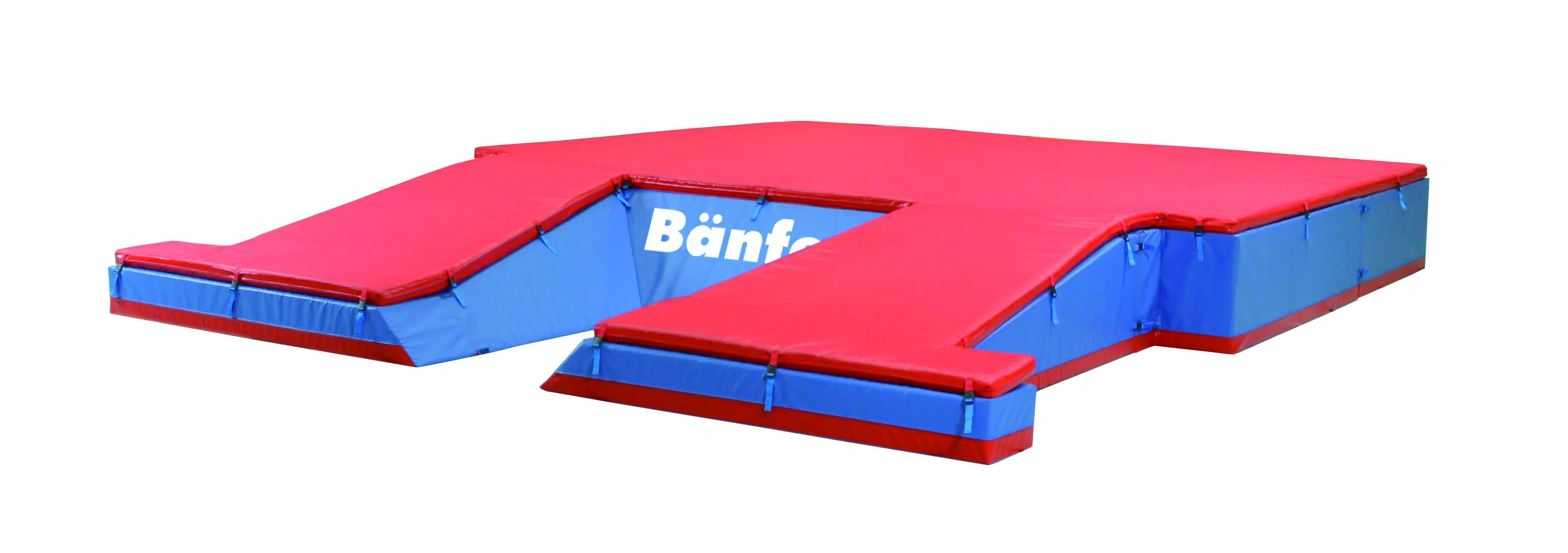
Polanik Double Front Pole Vault Mat
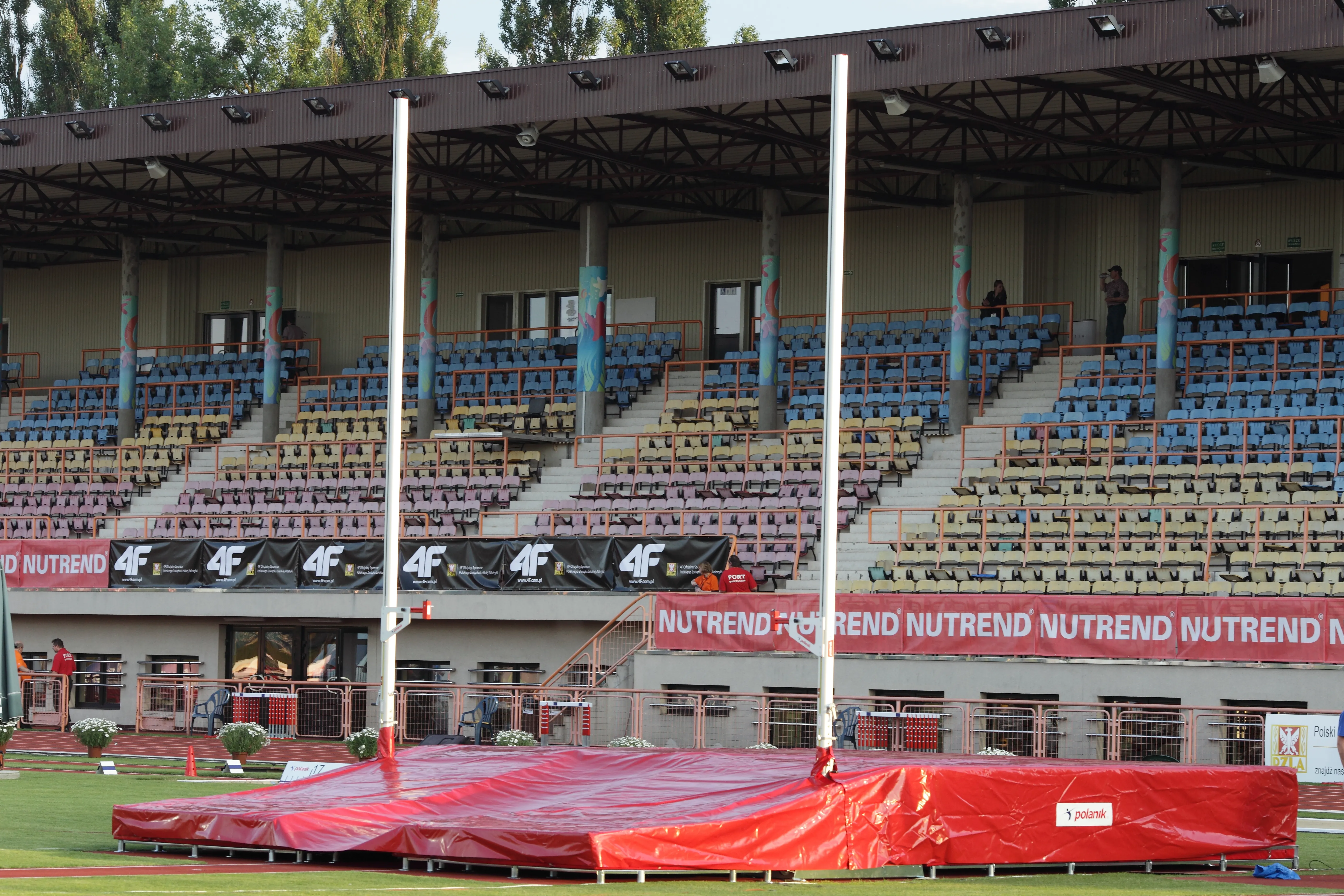


The Components of a Pole Vaulting Setup
You can purchase all of the individual pieces of the pole vaulting setup from well-known manufacturers Bänfer and Polanik in our online store.
Pole Vaulting Mats
Pole vaulting mats absorb the impact of the jump and guarantee a safe landing. In our Full Athletics online store, you will find mats from Polanik and Bänfer. These mats meet the highest international standards and offer maximum absorption. You can choose between two models: the monocube and the multicube, the latter having a separate mat cover for added comfort.
When selecting a mat with a foam core, choose between a monocube or a hollow chamber model, with the hollow chamber model considerably more comfortable. Competition pole vaulting mats measure 800 x 400 cm (about 26.24 x 13.12 feet). If your focus is more on training, our smaller mats at 530 x 400 cm (about 17.38 x 13.12 feet) are perfect for this purpose. Depending on the mat model, however, you can also select the matching pads independently of this: these offer additional protection, should the athlete fail to clear the crossbar and fall back onto the running track. If you require an individualized pole vault mat or specialized setup equipment please don't hesitate to contact us.
Standards for Pole Vault Setup
Pole vault standards serve as a support for the crossbar. At Full Athletics you will find easily adjustable standards that allow for precise height adjustment. For outdoor use we recommend the model on rails, for indoor use we suggest choosing a model with fixed posts. The minimum height to which a standard can be adjusted varies from model to model.
Other selection criteria include whether you need foldable or fixed standards and whether you want to combine them with mobile covers. Should you choose a Polanik competition standard, you will benefit from their digital displays, which are far more durable than analog displays. For professional use at championships, you will find electronically adjustable pairs of standards that are ideal for television broadcasts.
Grid Platforms for Pole Vault Setups
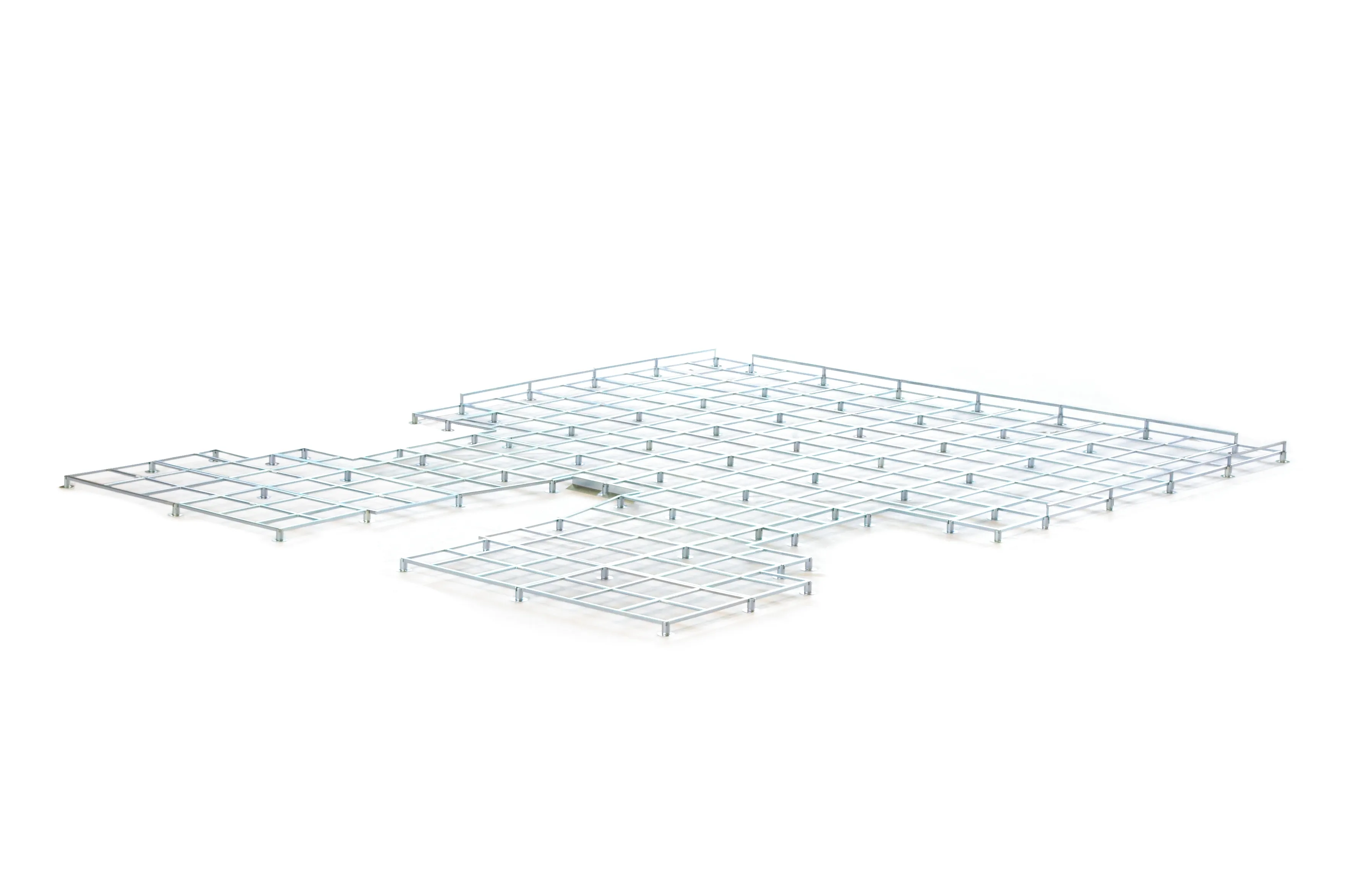
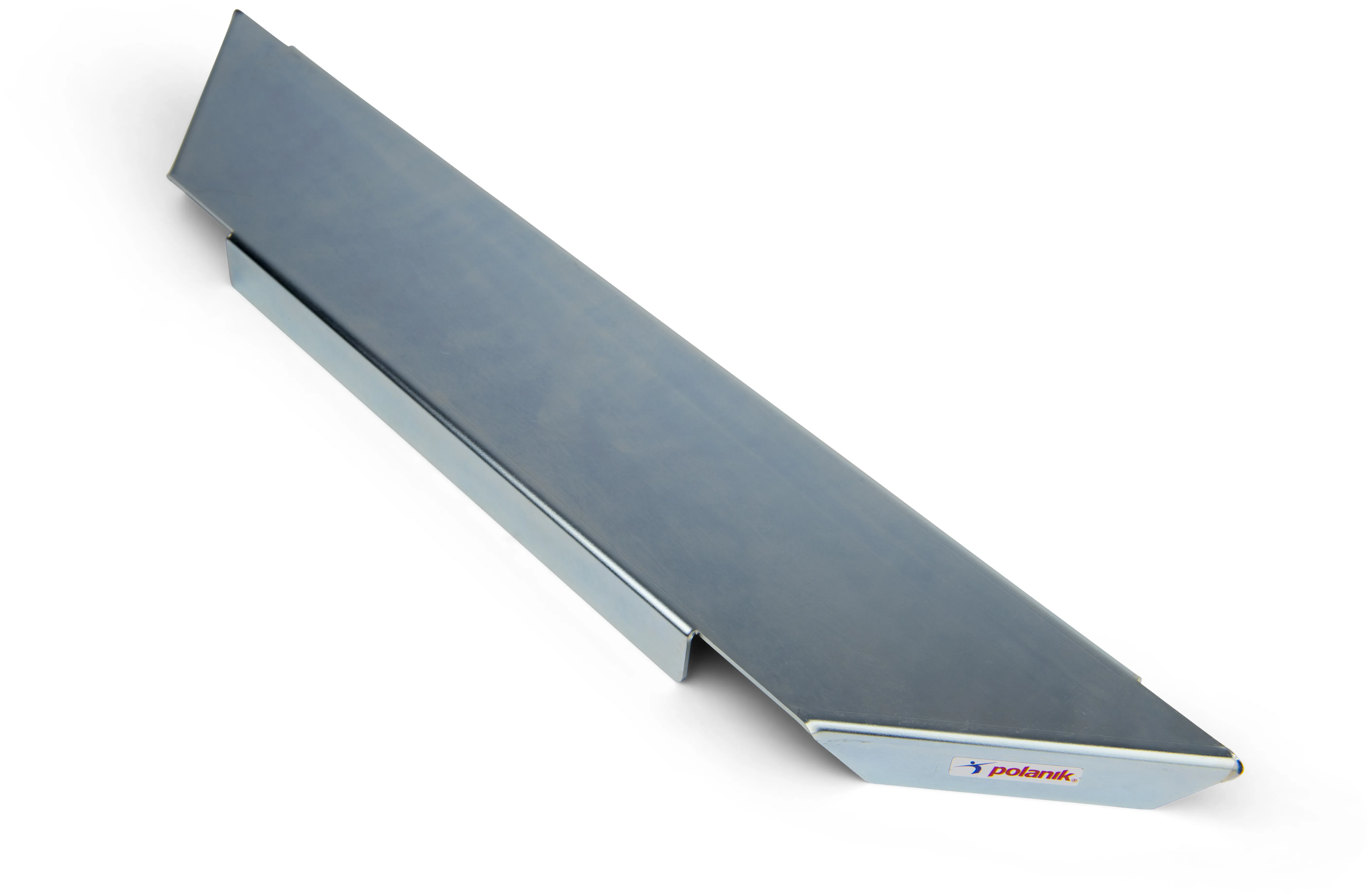
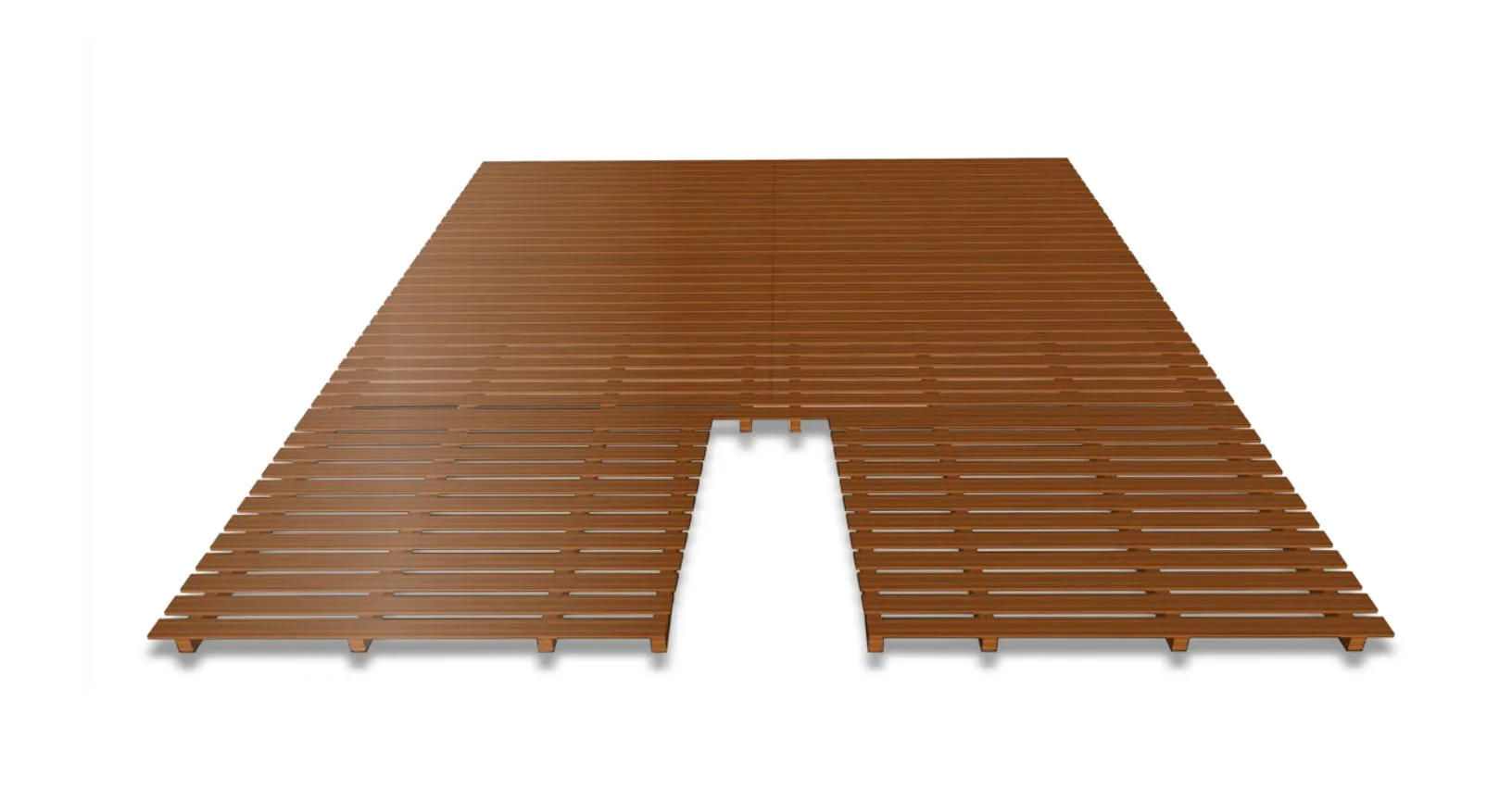
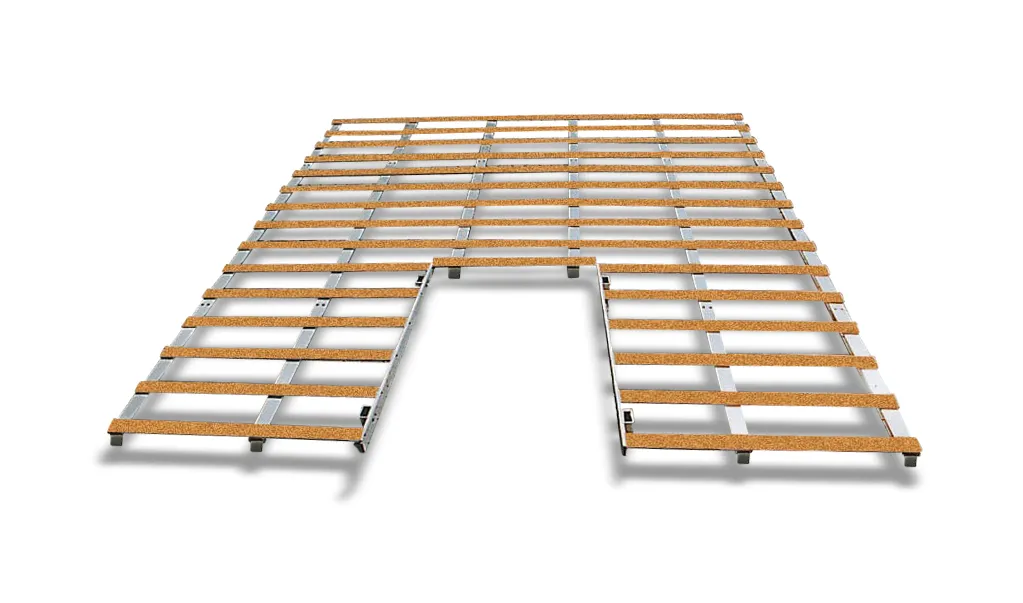
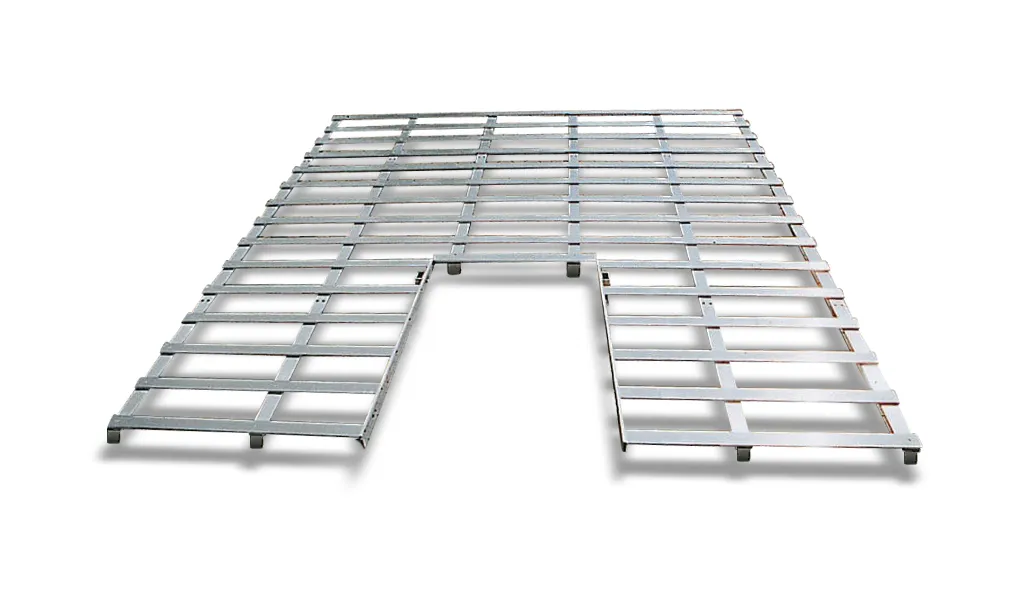
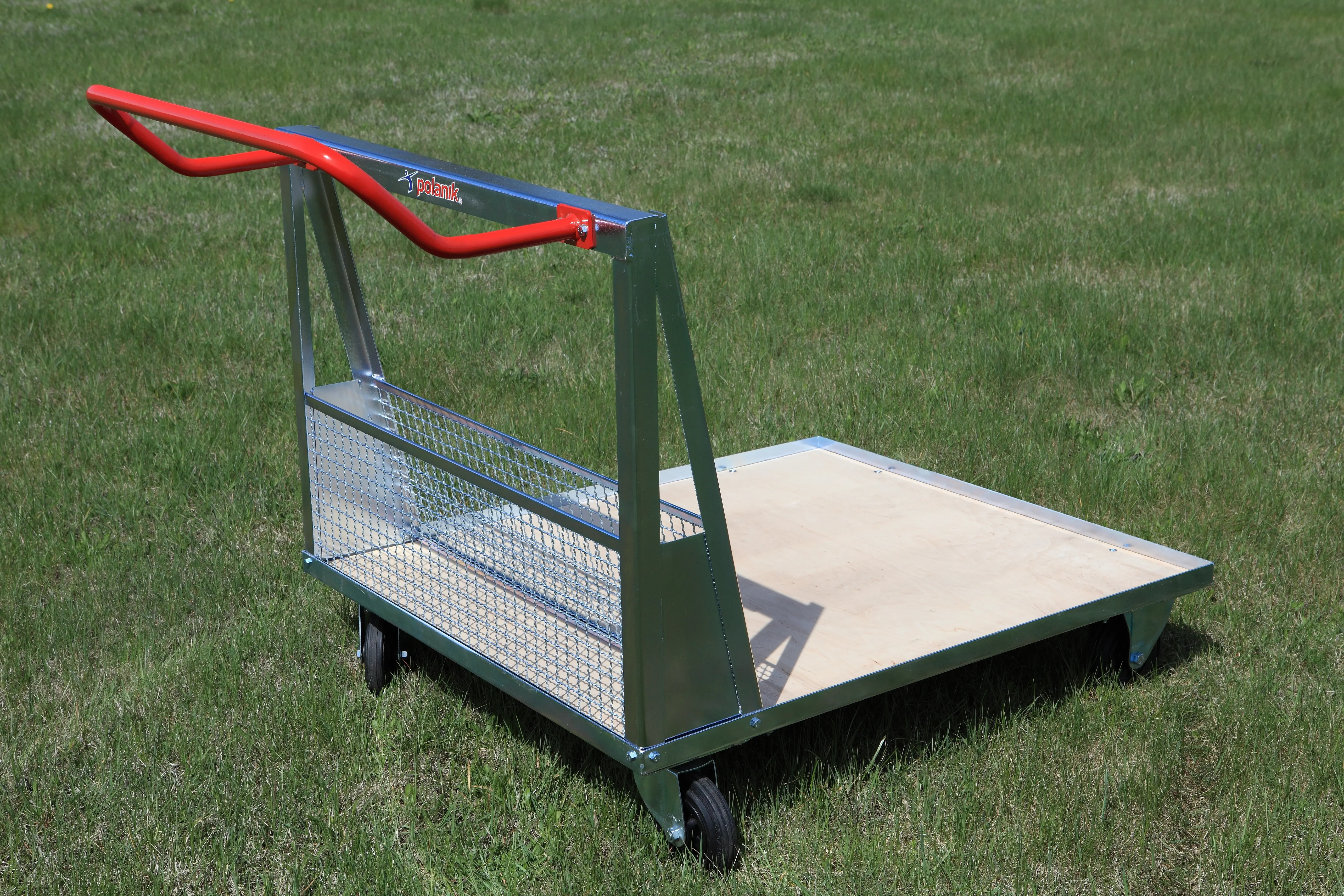
The structure of the platform beneath the pole vault mat helps to give the entire setup a greater degree of stability. Their robust construction and ability to withstand years of use are exceptionally appealing. Grid platforms are made from wood, aluminum, or galvanized steel. Mats and grid platforms should come from the same manufacturer to ensure they fit perfectly together. Stationary grid platforms are the standard but mobile models can be useful, particularly for events in large stadiums.
Rain Covers to Protect the Pole Vault Setup
A rain cover is an essential piece of equipment, to best protect your investment from whatever the weather may throw at it. They not only protect the mat from adverse weather conditions but also prolong the overall life span of the piece. Rain covers are made from UV-resistant material and come with welded seams, making them extremely durable and water-resistant. Rain covers and mats should also be purchased from the same manufacturer. Mobile covers, that can be wheeled out in the event of rain, are available but they tend to be more time-consuming in both setting them up and putting them away after use.

Pole Vault: a Discipline With a Long Tradition
Pole vault finds its roots in ancient civilizations where the rudimentary technique was used to overcome everyday obstacles, such as crossing large bodies of water. In the 19th century, it became a competitive sport, particularly in England and the United States. The first pole vault competitions took place in 1850 with athletes using poles made from ash.
The introduction of flexible poles in the 1960s, made of materials such as fiberglass, revolutionized the sport and saw its popularity boom. Bamboo poles were used between 1900 and about 1945. After this period, poles were more commonly made from aluminum and steel. The vaulting box has also been around since 1900. Today, the pole vault is a highlight at any international sporting event and Olympic Games. It has been an Olympic discipline since 1896.

How the pole vault works
Pole vault involves an athlete catapulting themselves over a horizontal crossbar with the assistance of a long, flexible pole. The run-up to the bar is crucial as it builds momentum and speed. During the run up the athlete must hold the pole vertically and as they jump they must use the pole to launch themselves into the air. The key to success lies heavily in the technique: the pole must be held correctly, the athlete must rotate correctly around the pole and the athlete must clear the crossbar without touching it.

The Rules of the Pole Vault
As a rule, an athlete will have three attempts to jump any given height. They may choose at which height they wish to start. If the crossbar is touched or dislodged from its position on the standards the jump is invalid. The height of the crossbar is adjusted after each successful jump until only one athlete remains.
The athlete able to successfully clear the greatest height is the winner. There are determined specifications for the pole, the length, and the material from which it is made.