



Discus throwing is among the oldest disciplines in track and field. It has been included in the modern Olympic Games since their inception in 1896. A successful throw requires not only strength, coordination, and precision but also a high-quality discus ring.
At Full Athletics, you can find top-quality sporting goods and everything you need to know about them. To buying guide »
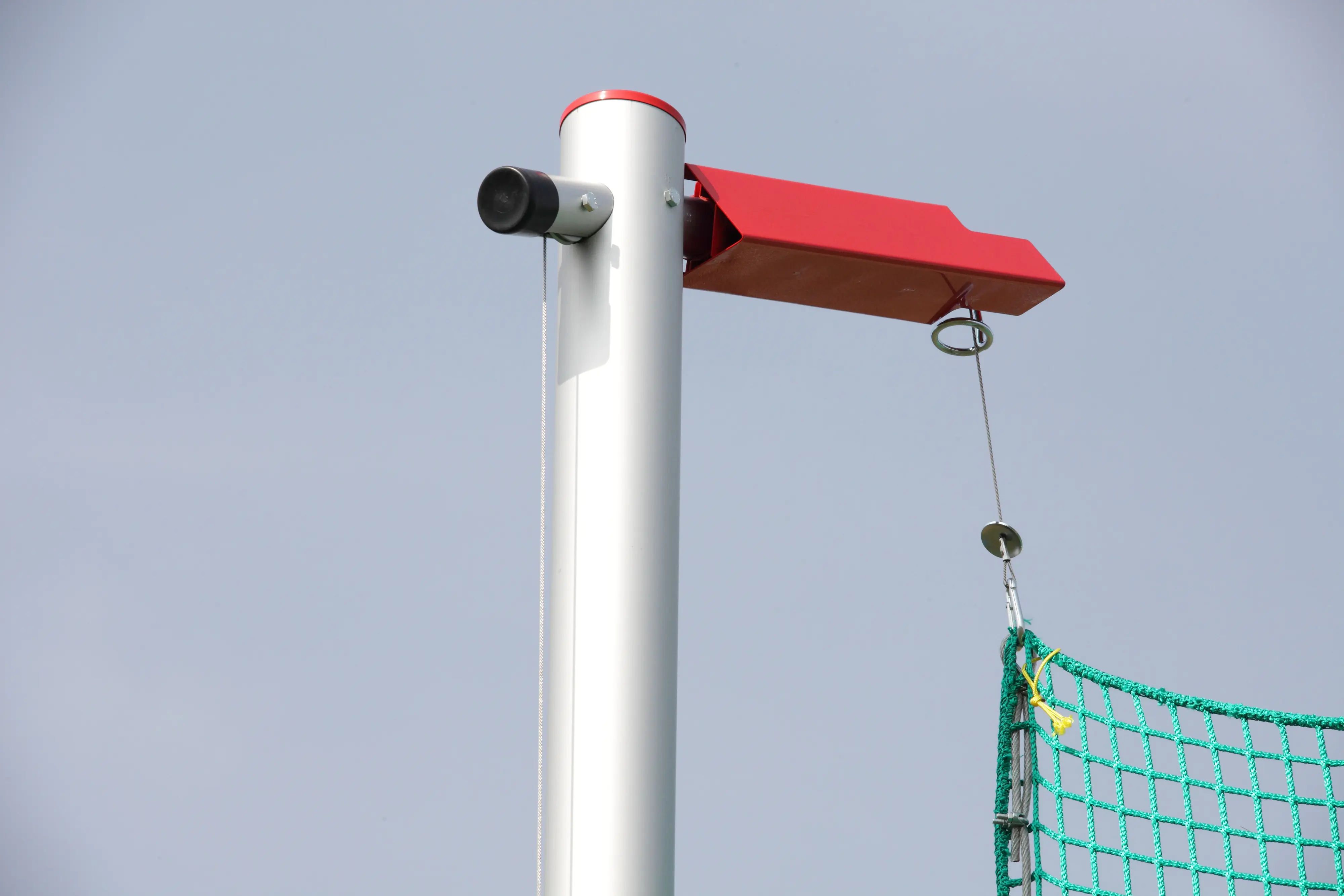
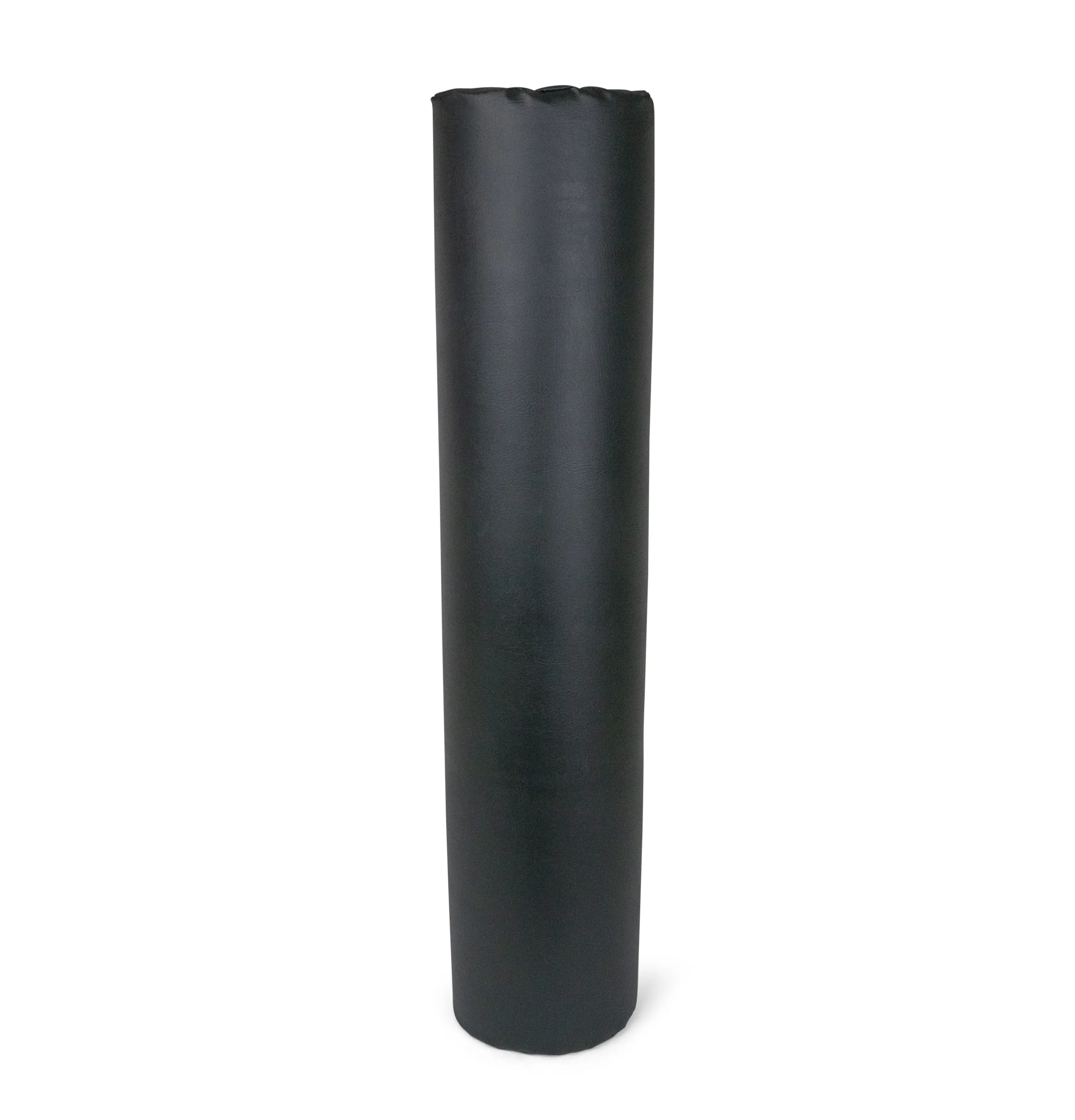
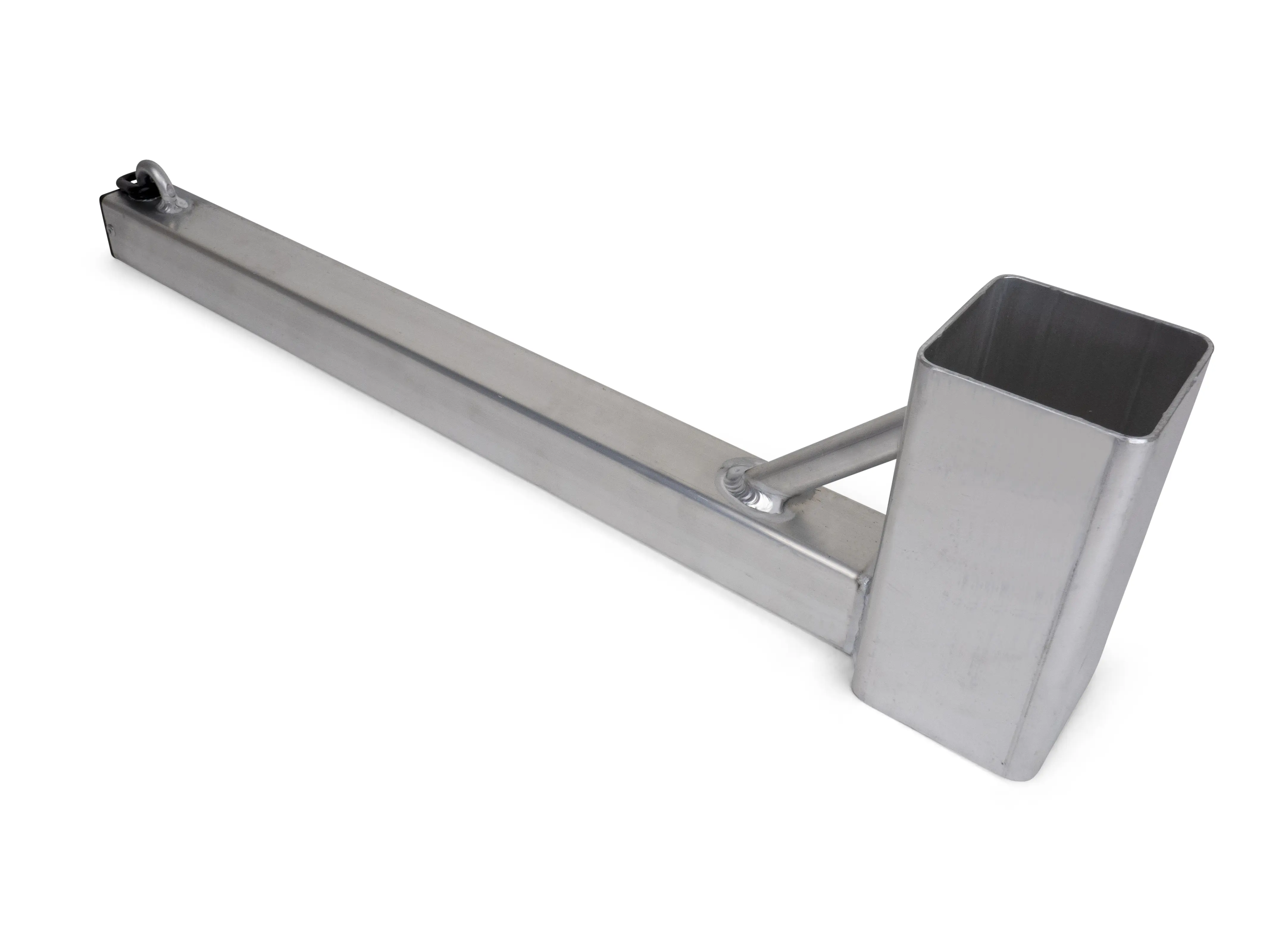
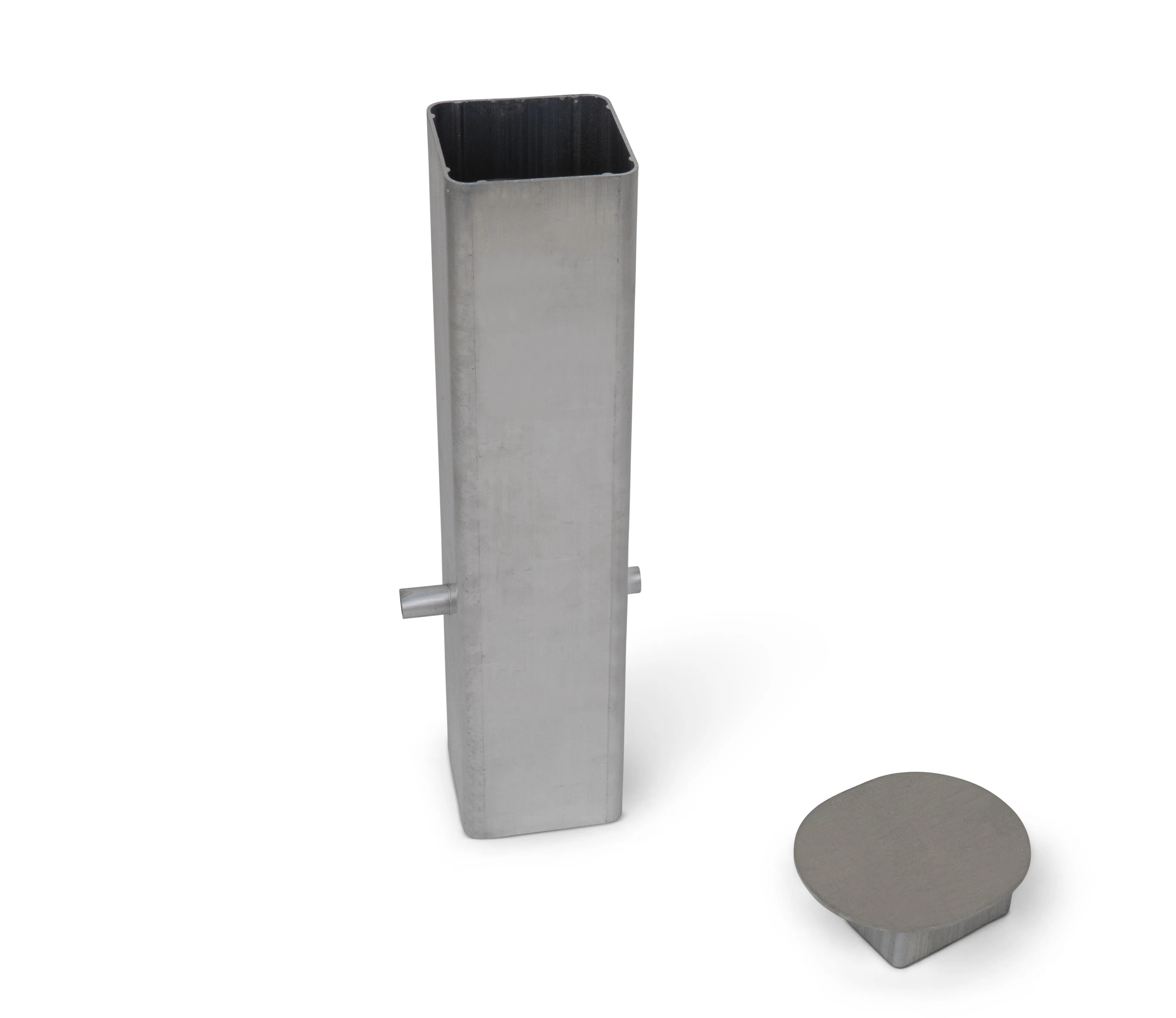
Mounting Ground Socket for 80 x 80 mm Square Tube Cage Posts
What are the distinct characteristics of the discus ring, and what sets it apart from other throwing disciplines?
Track and field encompasses a wide range of disciplines. The throwing discipline alone is broken down into a number of distinct sub-disciplines. The shot put, hammer throw, and discus throw are the events that garner the greatest interest. However, they differ greatly in terms of implementation, technique, and required equipment.
Although they all require a ring for the throw or “put,” these rings can still differ significantly in their respective parameters. With a diameter of 250 cm, the discus ring is the largest one. The rings for both the shot put and hammer throw have a diameter of 213.5 cm, but it’s also necessary to have a suitable launching beam for the shot put event.

Our tip
Are you interested in providing training in all three throwing disciplines, but your location does not offer sufficient space? Choose a discus ring and also have Full Athletics provide you with an extra inlay ring for the hammer throw and shot put segment.
What is crucial to keep in mind when buying a discus ring?
If you want to purchase a discus ring, there are several important factors to take into account. Failing to do so could result in your equipment not being sanctioned for competitions, or your athletes may become accustomed to using a ring of the incorrect size, which could lead to the development of improper technique.
Size
Make sure you are really buying a discus ring. It must have a diameter of exactly 250 cm; otherwise, it is unsuitable for official competitions and effective training.
Should you cast the concrete yourself or purchase a pre-cast concrete ring?
You will find a wide variety of ring models for discus throwing within the Full Athletics range. The most important decision you need to make concerns concrete casting: Would you prefer to purchase the ring pre-cast with concrete, or would you like to cast the concrete slab yourself? Each option comes with its own set of pros and cons. However, we recommend purchasing a version that has already been pre-cast with concrete.
Purchasing pre-cast concrete discus rings
If you choose a pre-cast concrete discus ring, all you need to do is transport it to your desired location and secure it in place. The surface is ideal for a top-notch throw: perfectly textured to provide athletes with the traction they require without sacrificing mobility. If the concrete surface is overly smooth, there’s a danger of slipping, but if the surface is excessively rough, quick foot placement can be impeded. Both interfere with the ideal execution of the discipline.
Additionally, the concrete models in our range are designed to be perfectly level and feature drainage openings to ensure that rainwater can run off quickly. Once the weather improves, training and track meets can resume right away. Most importantly, the pre-cast discus rings adhere to both national and international competition regulations, so you are on the safe side.
Nonetheless, there is one significant logistical drawback: The rings are solid, making them heavy and unwieldy. Delivery and placement therefore involve a certain amount of additional effort.
Casting the concrete yourself
If you prefer to cast the concrete yourself, feel free to order an unfilled discus ring. from us. It is delivered to you in individual parts and is very easy to assemble – but then comes the difficult part: You need to ensure that the concrete surface is completely level and has the perfect degree of roughness. This is a task that is far from simple. In addition, you run the risk that training will not be as easy and that the ring will not comply with competition regulations. We therefore recommend that you choose a pre-cast discus ring.
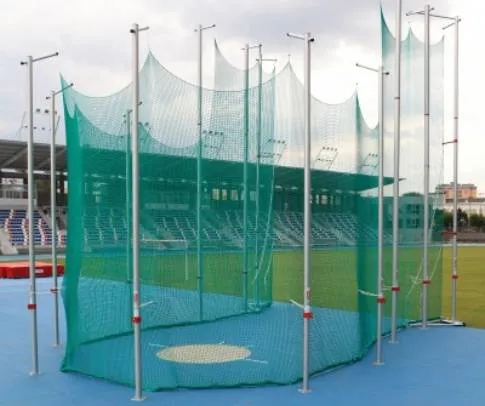
Construction of a discus station: Which components do I need?
In addition to the discus ring, a discus station consists of various other components. First of all, you need suitable discuses. Full Athletics offers a diverse selection of discus weights from various manufacturers as well as practice and indoor discus stations.
Protective cages – safety in case of a bad throw
In discus throwing, it’s not just the strength with which the athletes send the discus on its way that counts; coordination is also extremely important. After all, the discus spin – with which the throwers build momentum – plays an essential role. It’s quite common for even advanced athletes to toss the discus in the wrong direction. In the worst-case scenario, the discus could end up landing directly among the spectators or other athletes. Considering the magnitude of the force involved, such a throw could be fatal! A discus cage is therefore an essential piece of equipment.
Valuable accessories for your discus station
Speaking of bad weather: If you are not currently using your ring, it may be a good idea to protect it with an appropriate protective cover for throwing rings so it stays clean and dry. We also offer a wide range of practical accessories, such as transport and storage solutions for discuses, measuring templates, training dumbbells, and side panels. Are you looking for a portable alternative to a permanently mounted discus ring? Various mobile models are also offered.