


Did you know that discus throwing is one of the oldest disciplines in the field of athletics? It made its first appearance at the Olympic Games in Athens in 1896. But enough with the facts. You're here because you're looking for new equipment for your favorite sport. To be successful in this discipline, having the
physical strength and skill is essential, but so too is using the right discus. Do you already have the skill and strength? If so, you're sure to find the right discus for your needs right here. You'll find many accessories for this discipline in our online store as well. To buying guide »
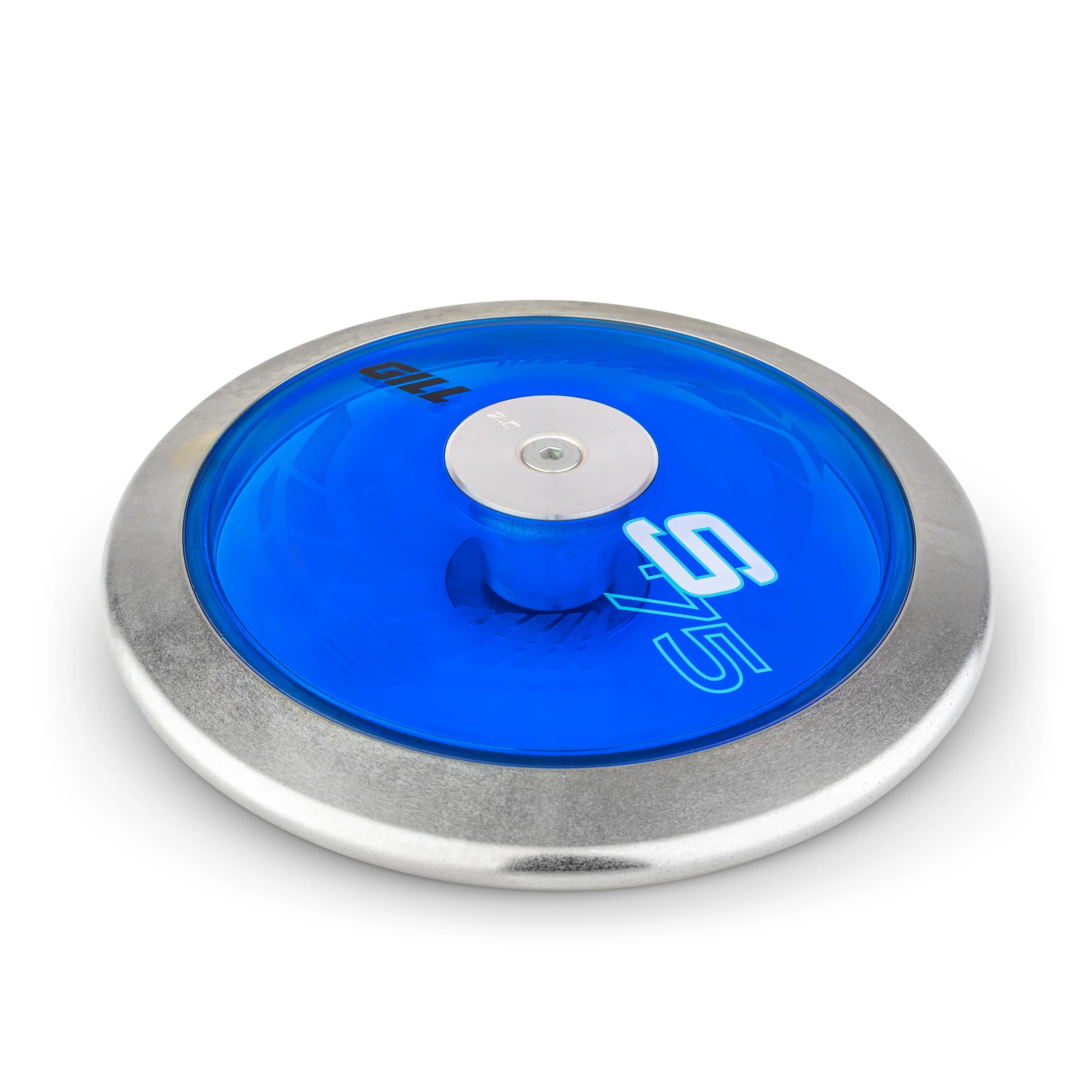
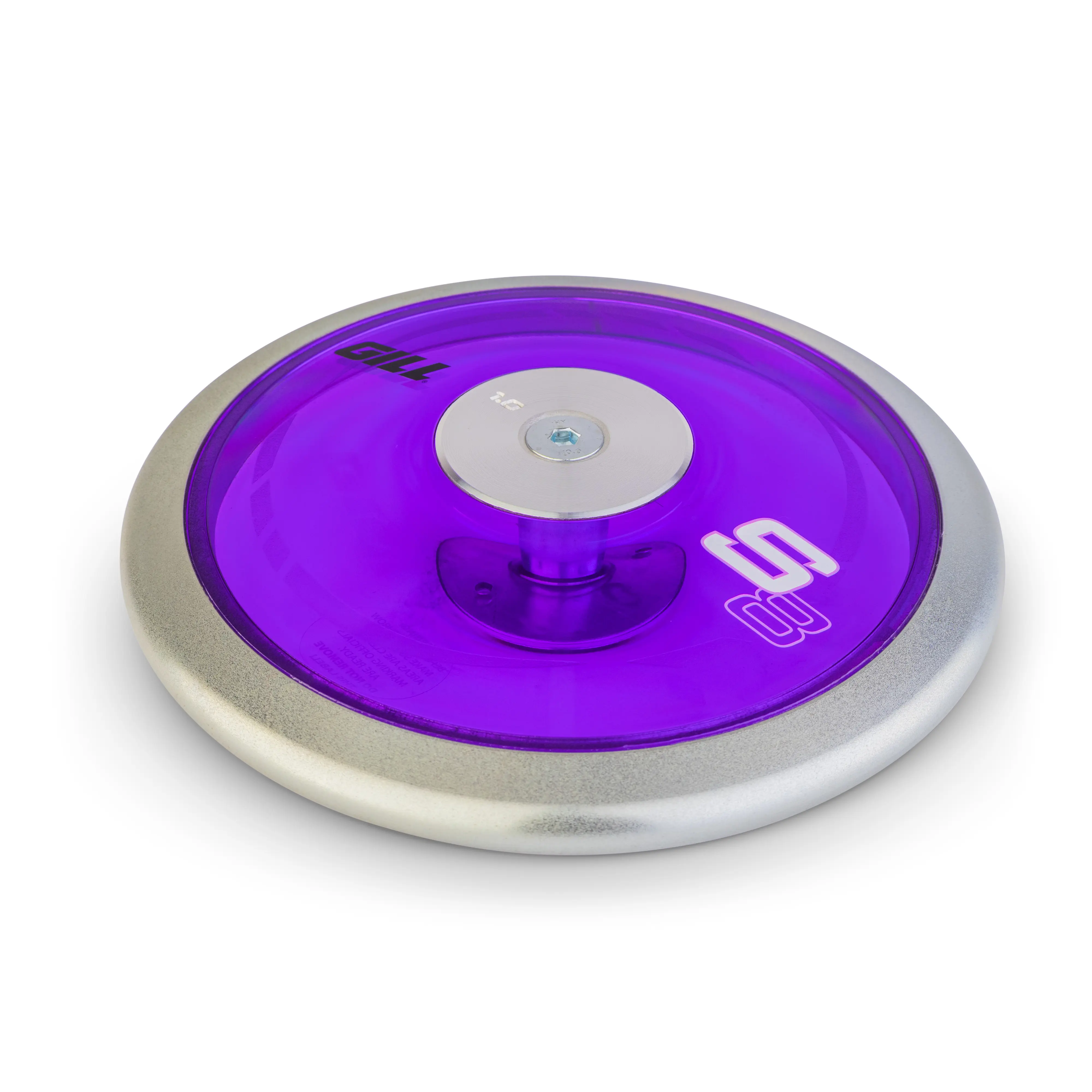
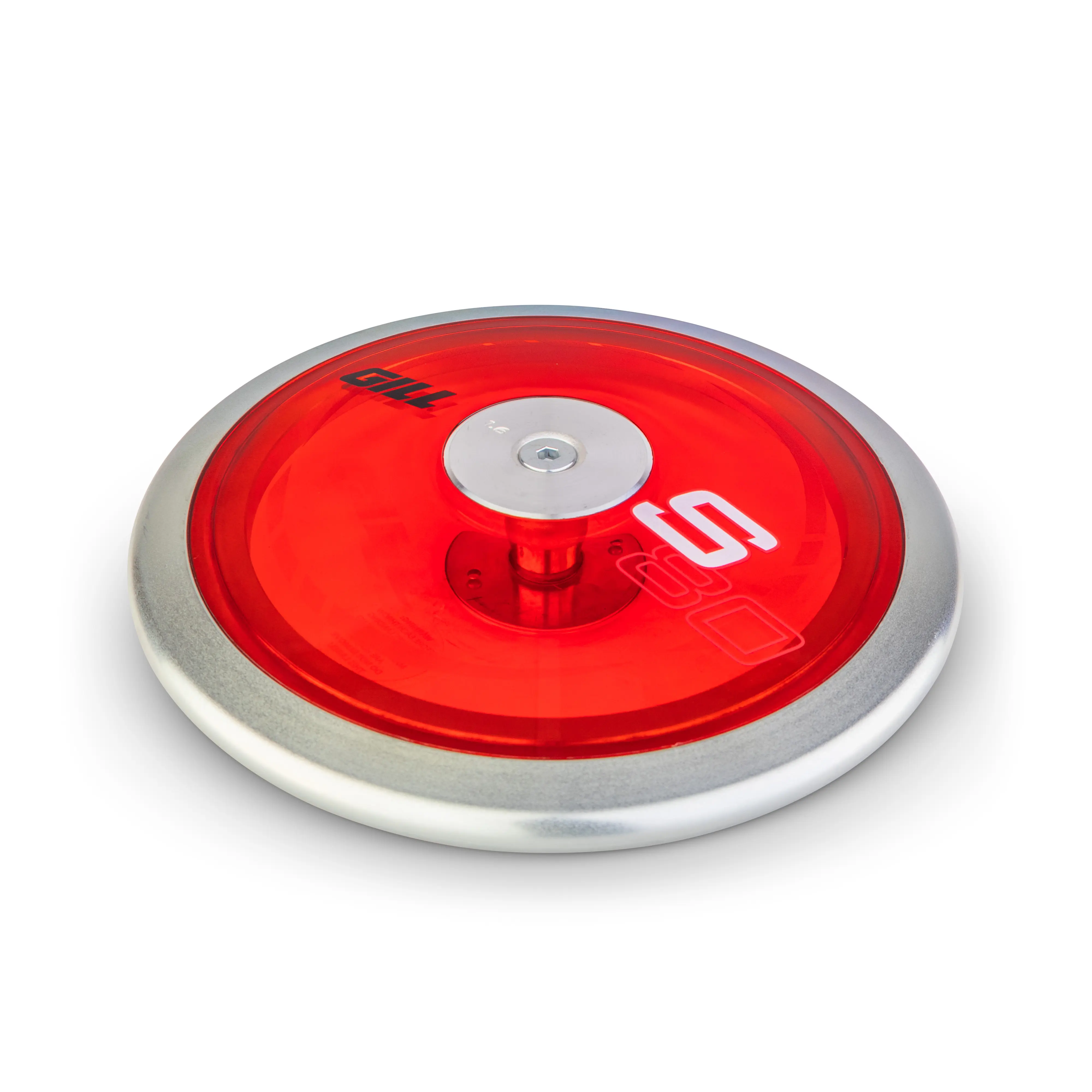
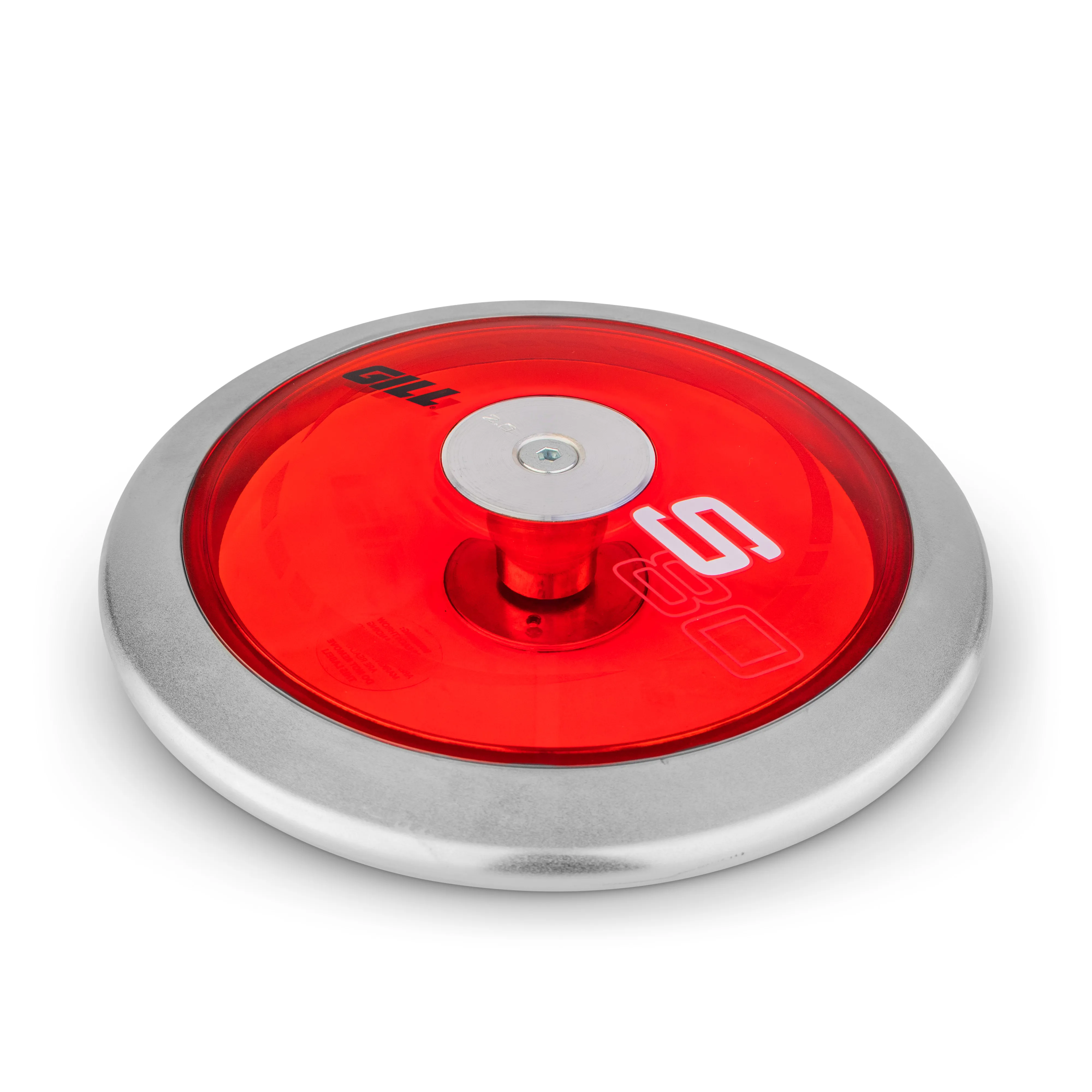

Discover other products for other throwing disciplines


Buying Guide: The Right Discus for Your Athletics Career
The Meaning Behind the Ring Weight
Ring weights of up to 65% are considered low. Middle ring weights are between 65 and 80% and anything above that is considered a high ring weight. Beginners should use a discus with a low ring weight and steadily increase their throwing distance with each throw.
Our tip: Bear this ring weight number in mind but try not to place too much value on it.

Galvanized Steel, Stainless Steel, or Brass - The Material Question
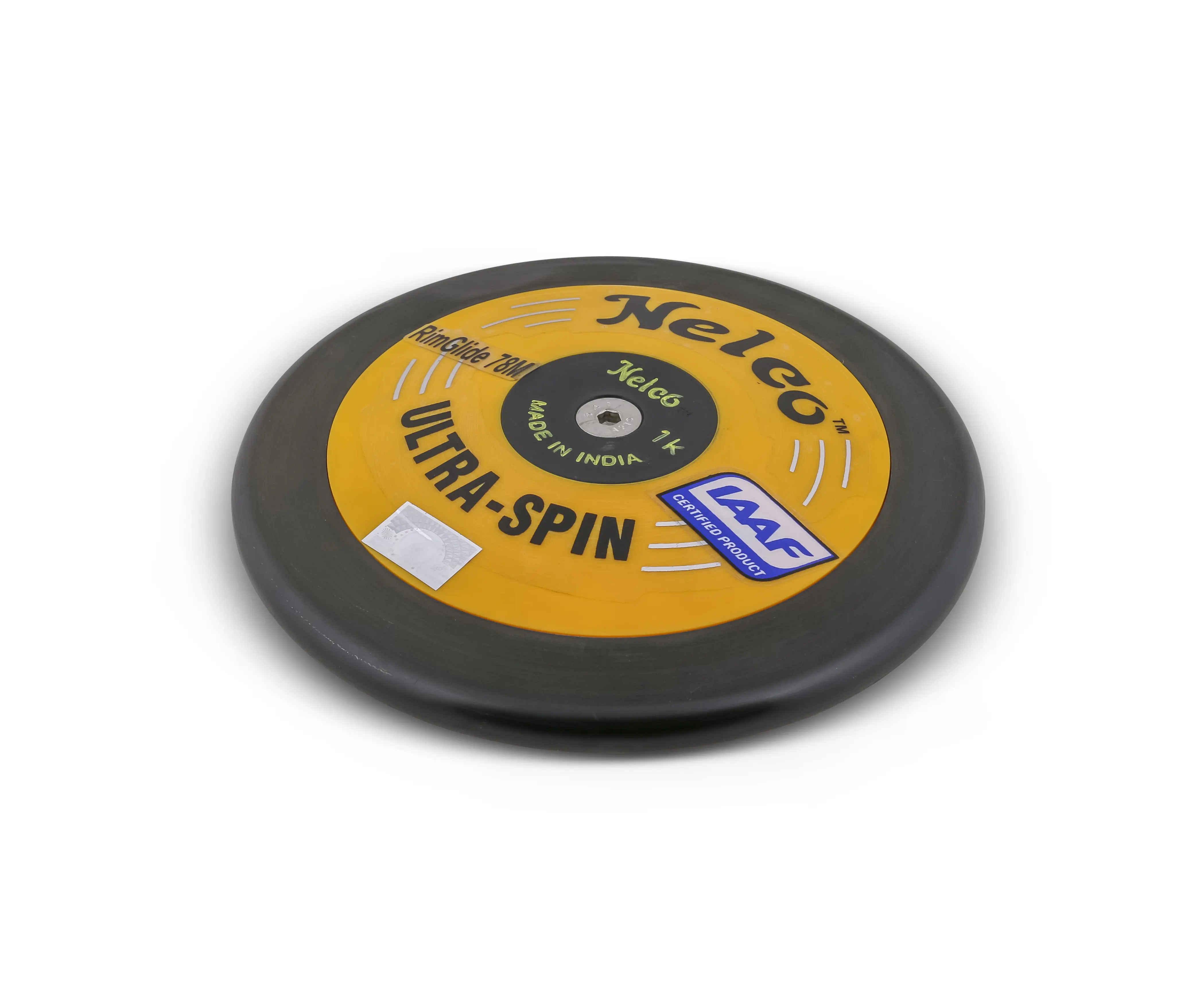
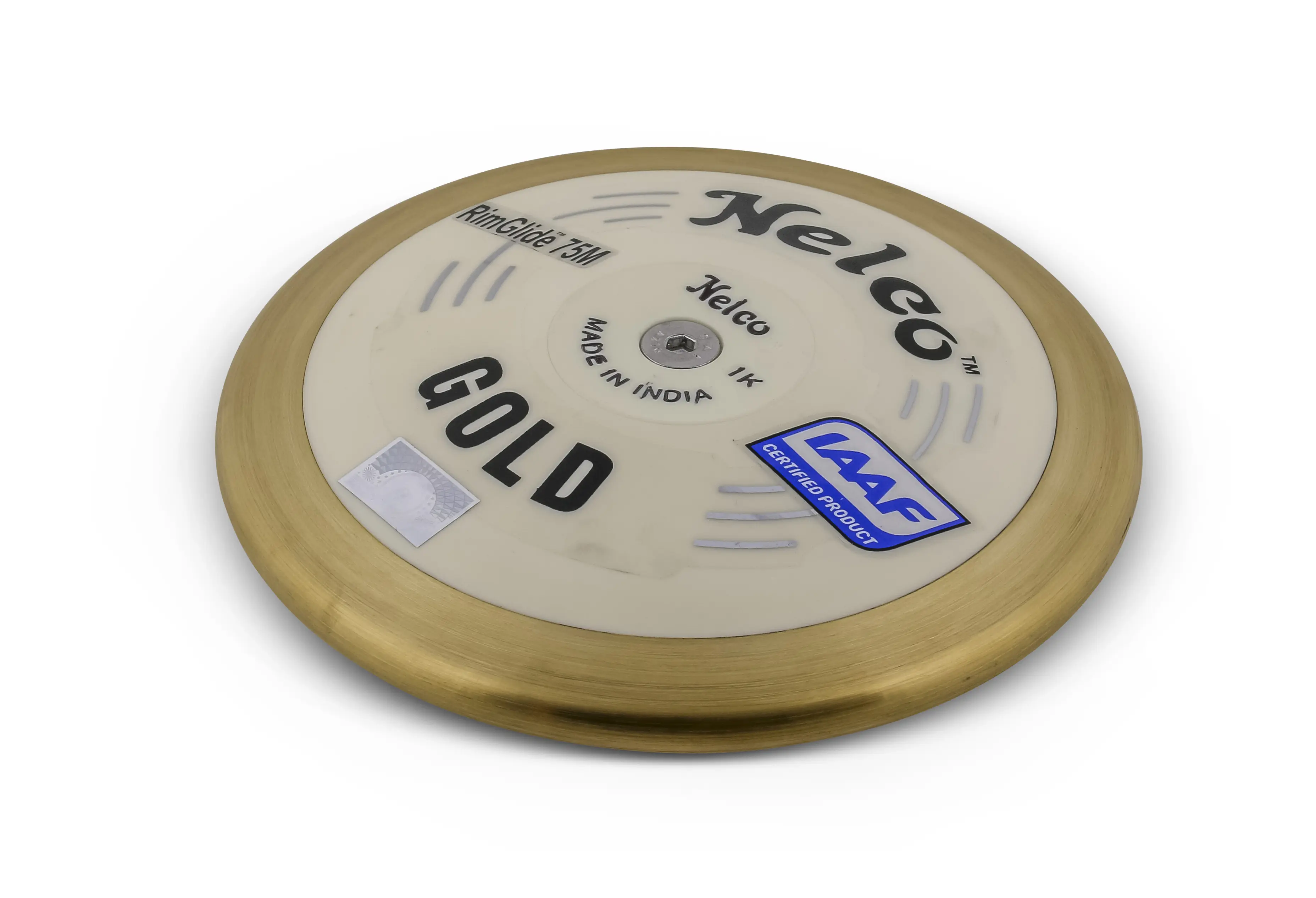
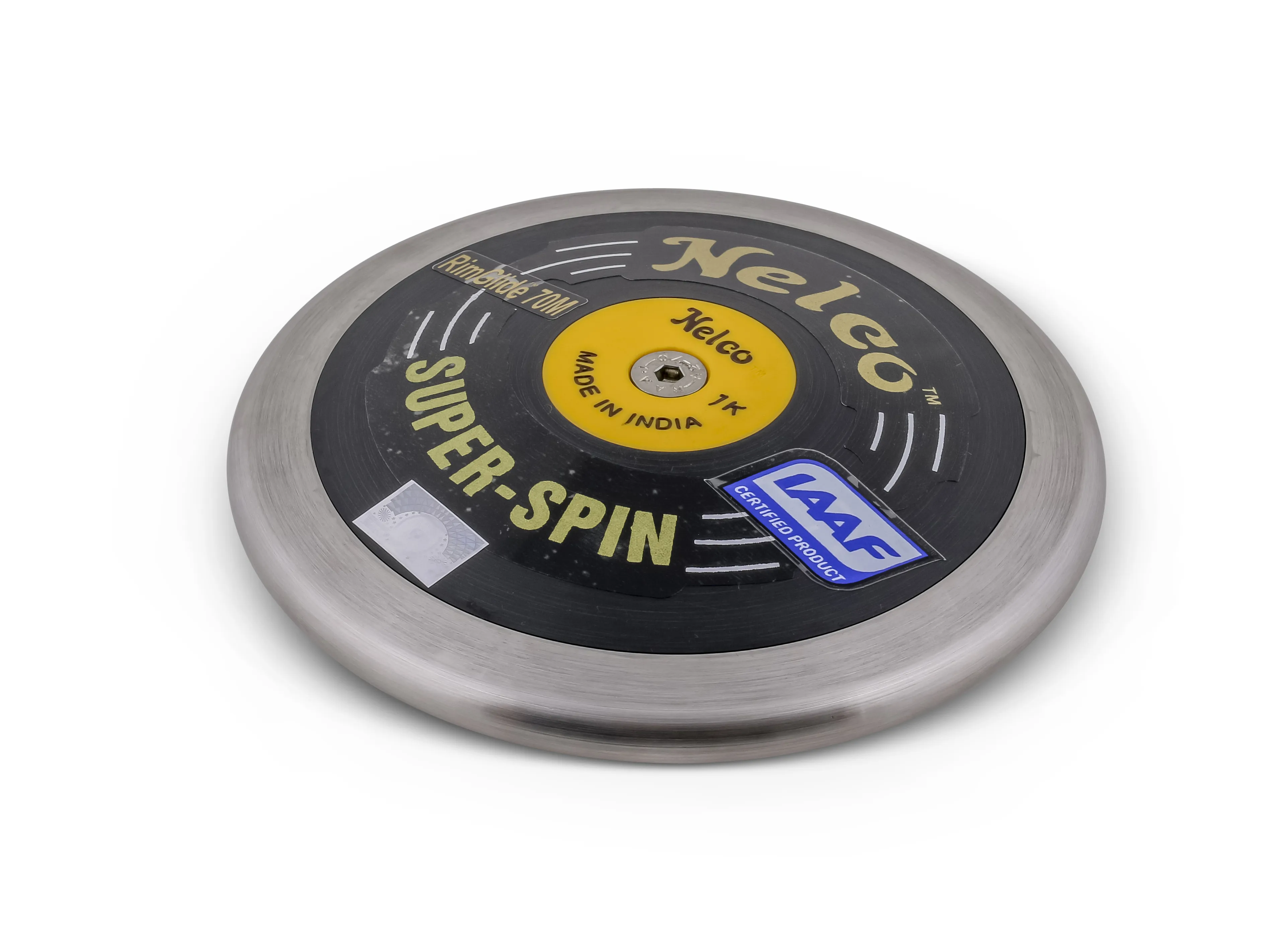
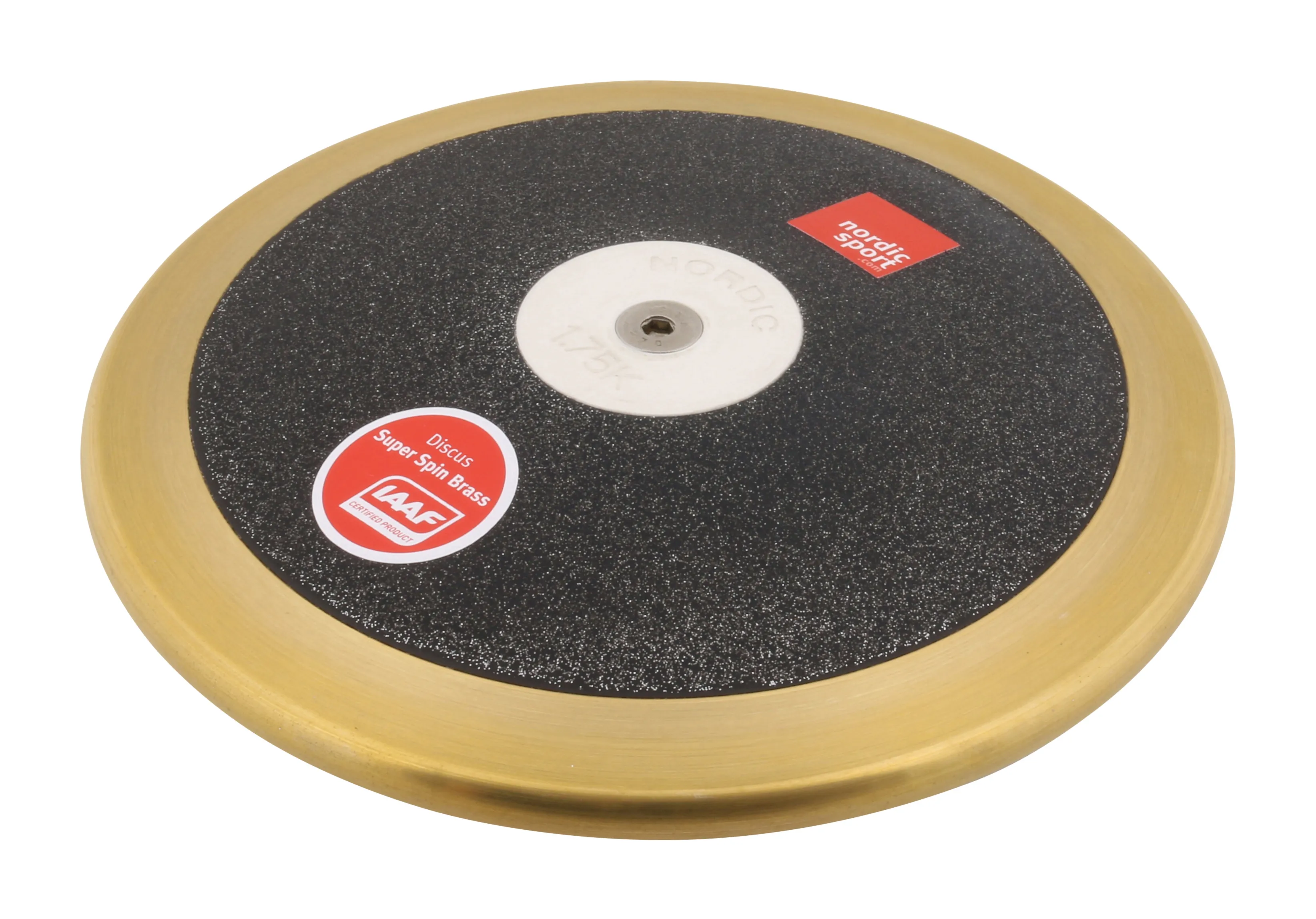
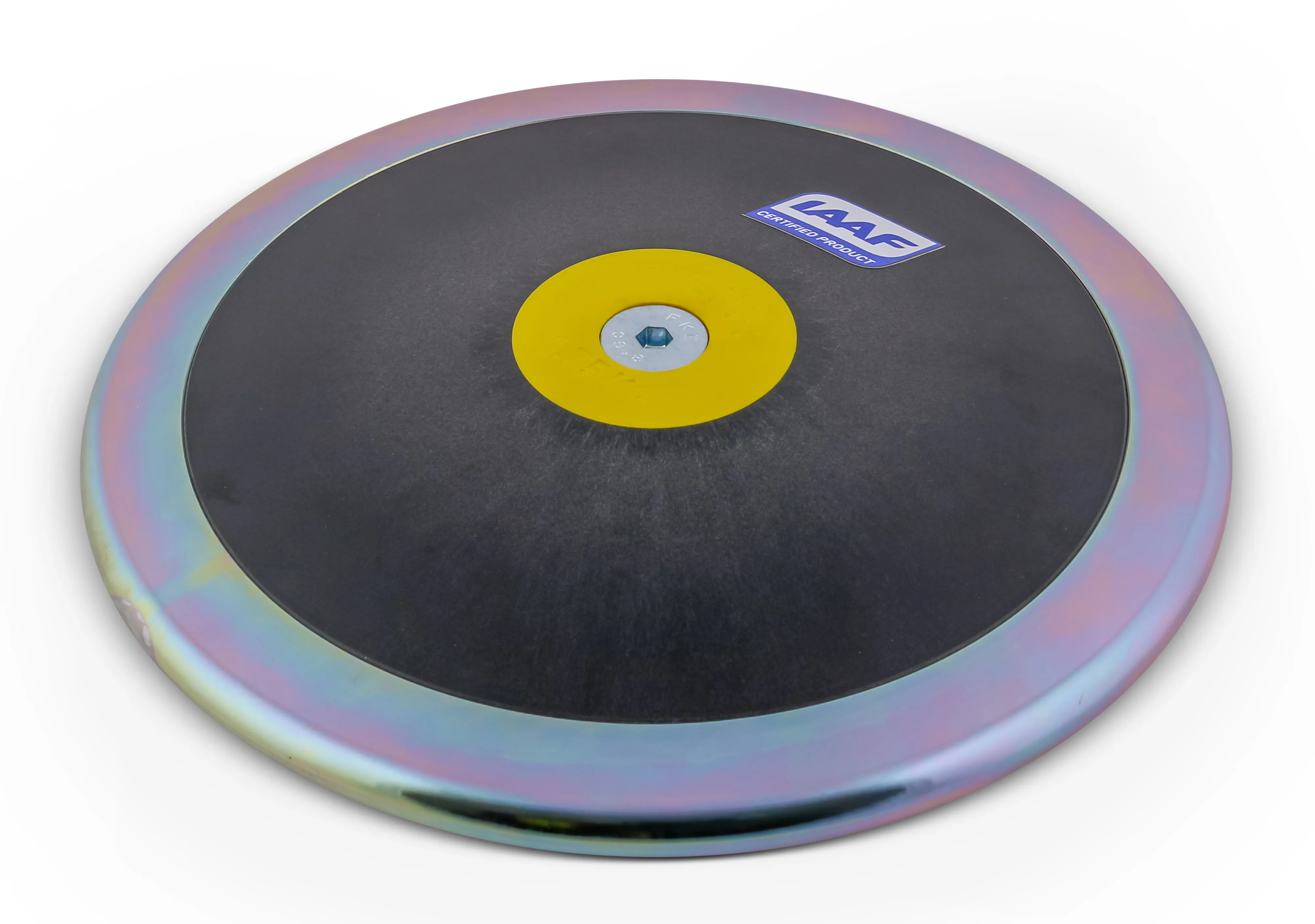
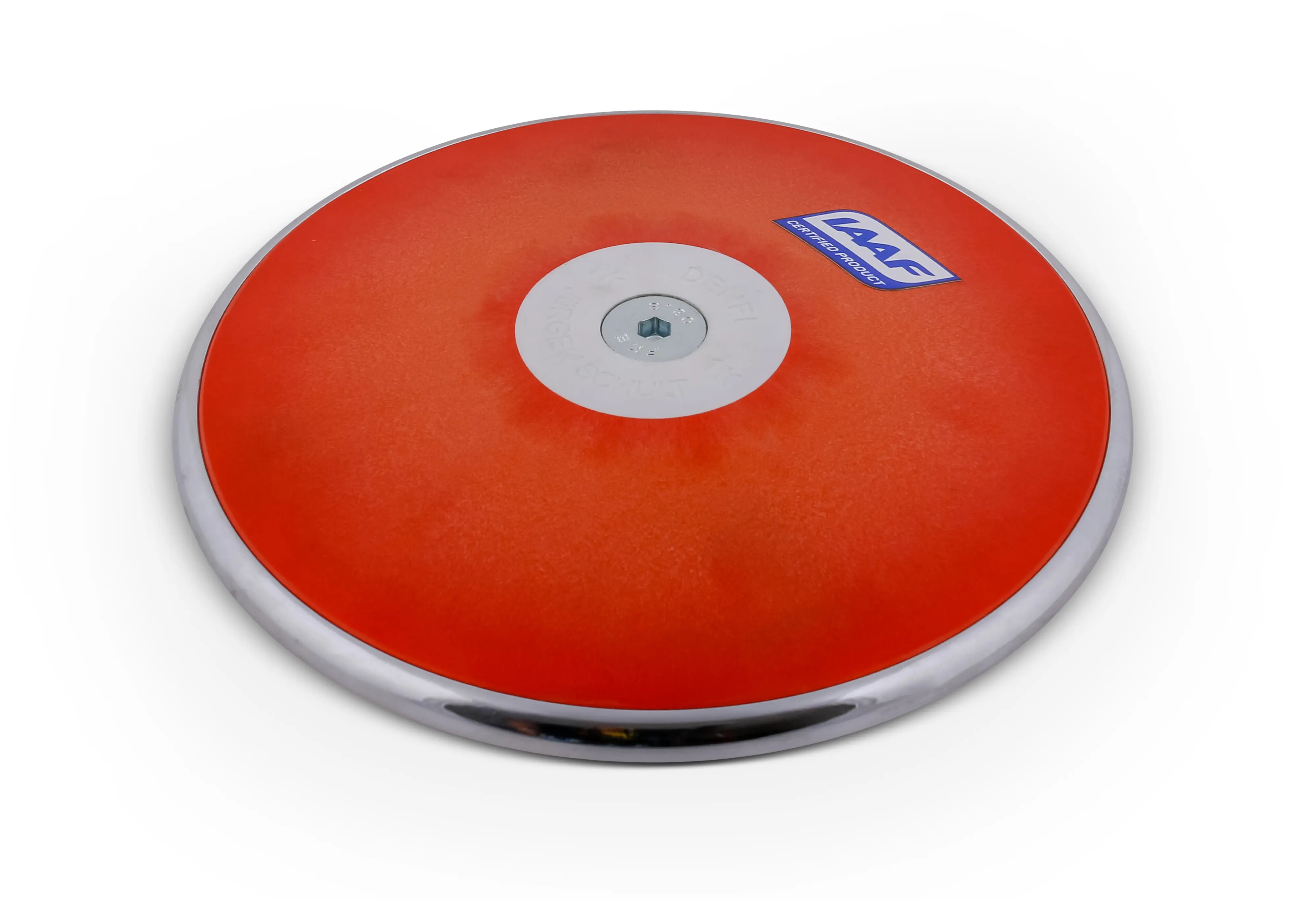
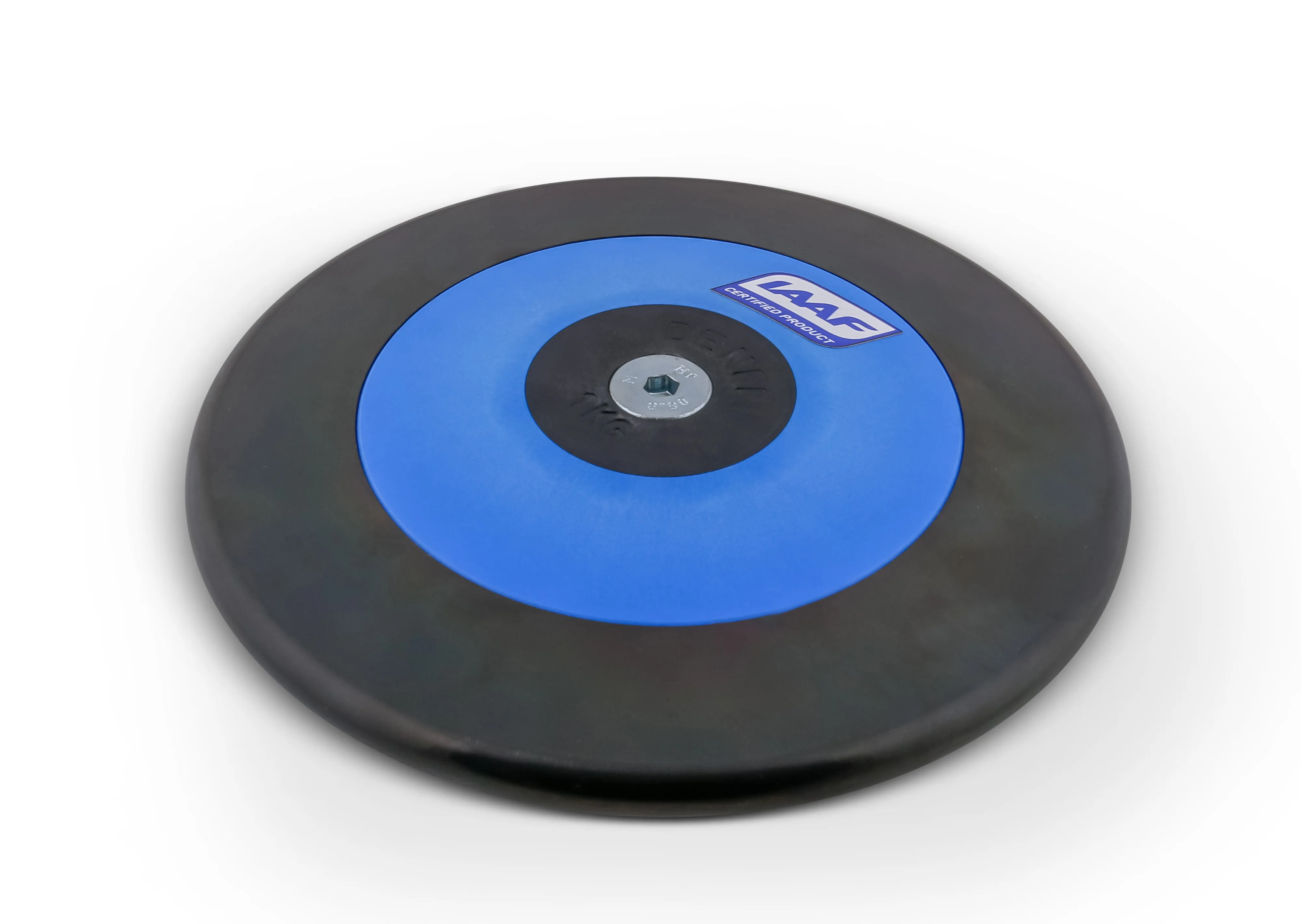
Competition discuses, and most training discuses have a ring made from galvanized steel, stainless steel, or brass. Galvanized steel rings offer a stable discus at an affordable price but these will begin to rust at some point. This does have its advantage, however. Rust will make the discus easier to grip. If you're looking for a ring that will not rust, take a look at our stainless steel or brass options.
What Should You Pay Attention to Regarding the Side Plates?
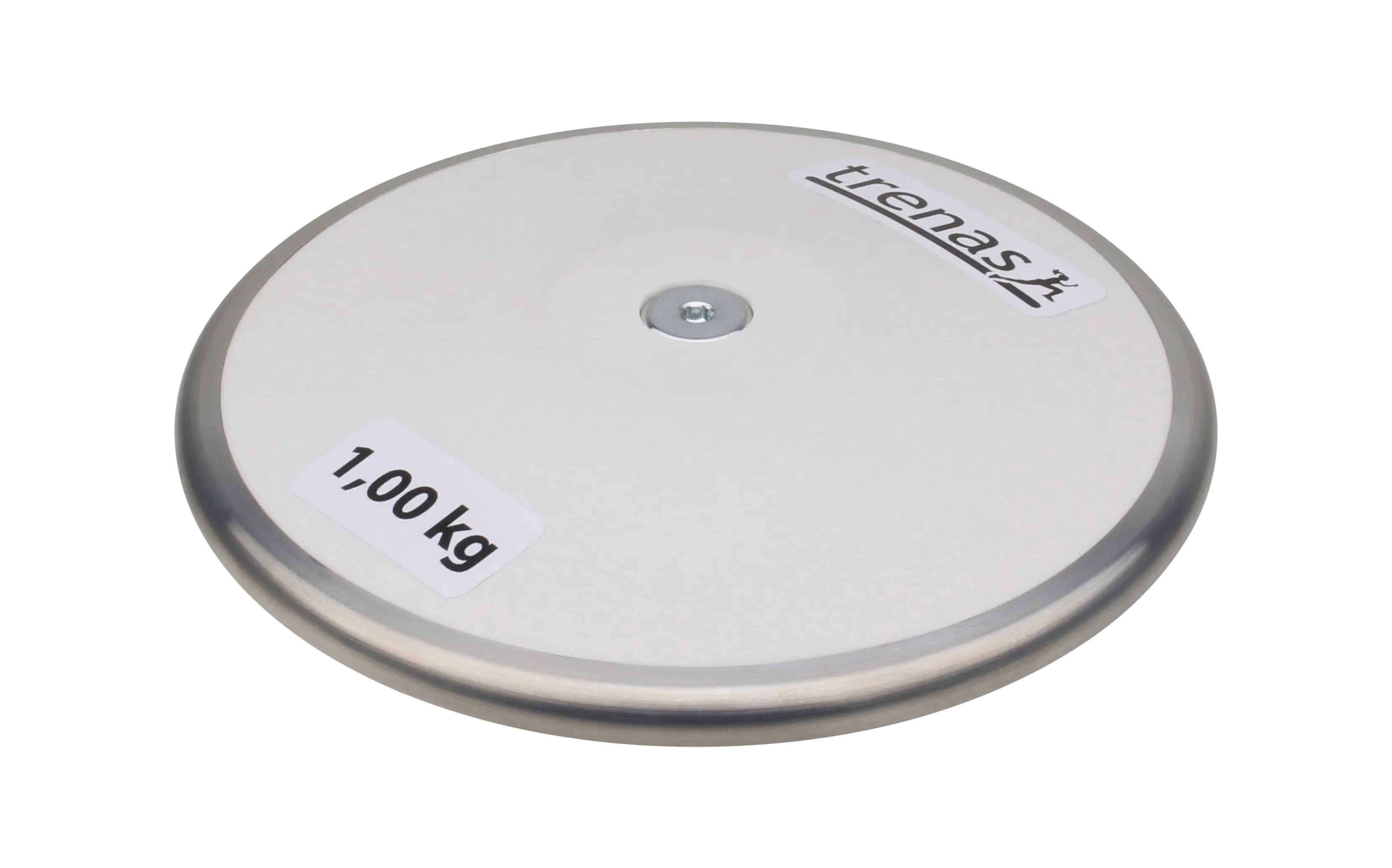
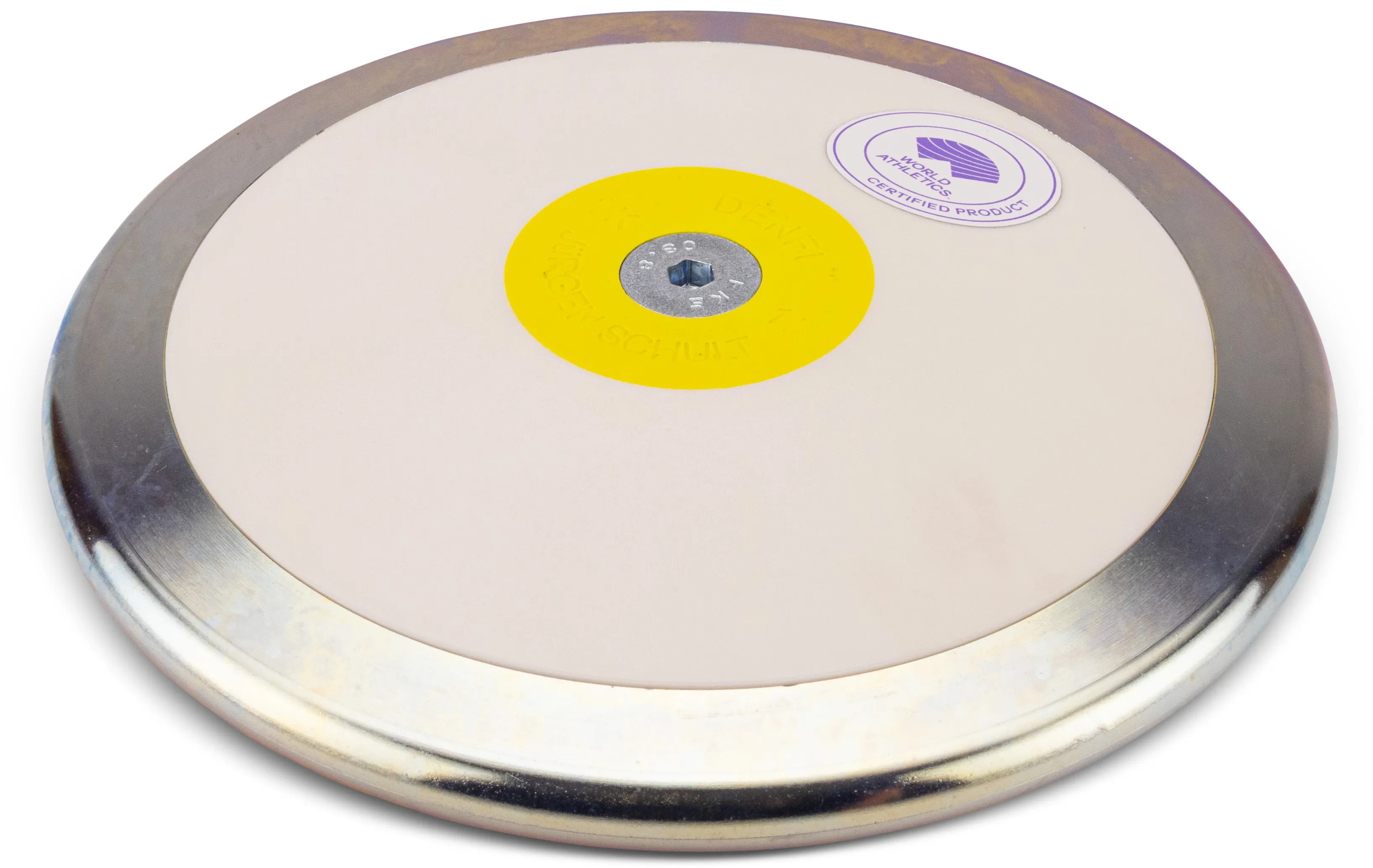
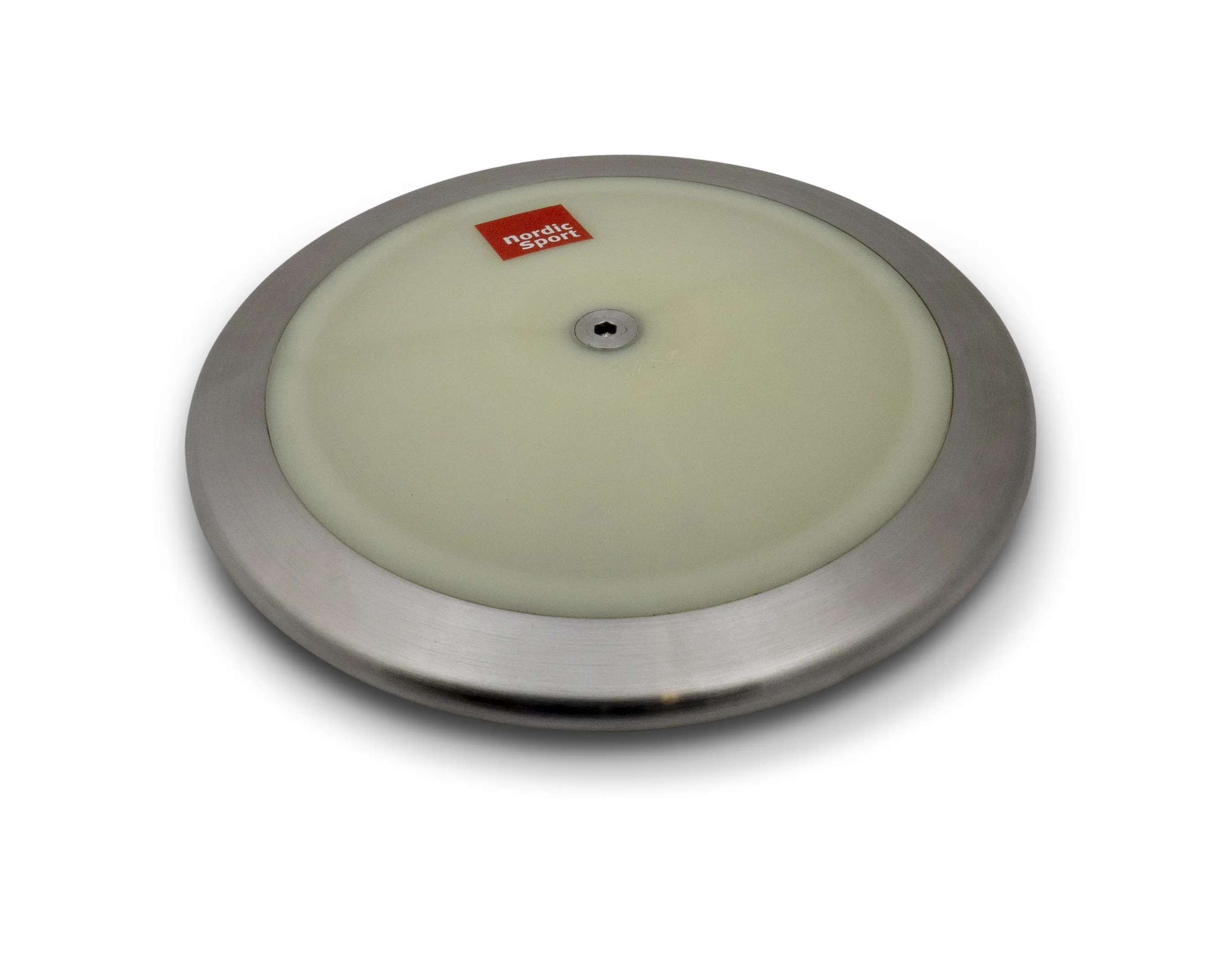
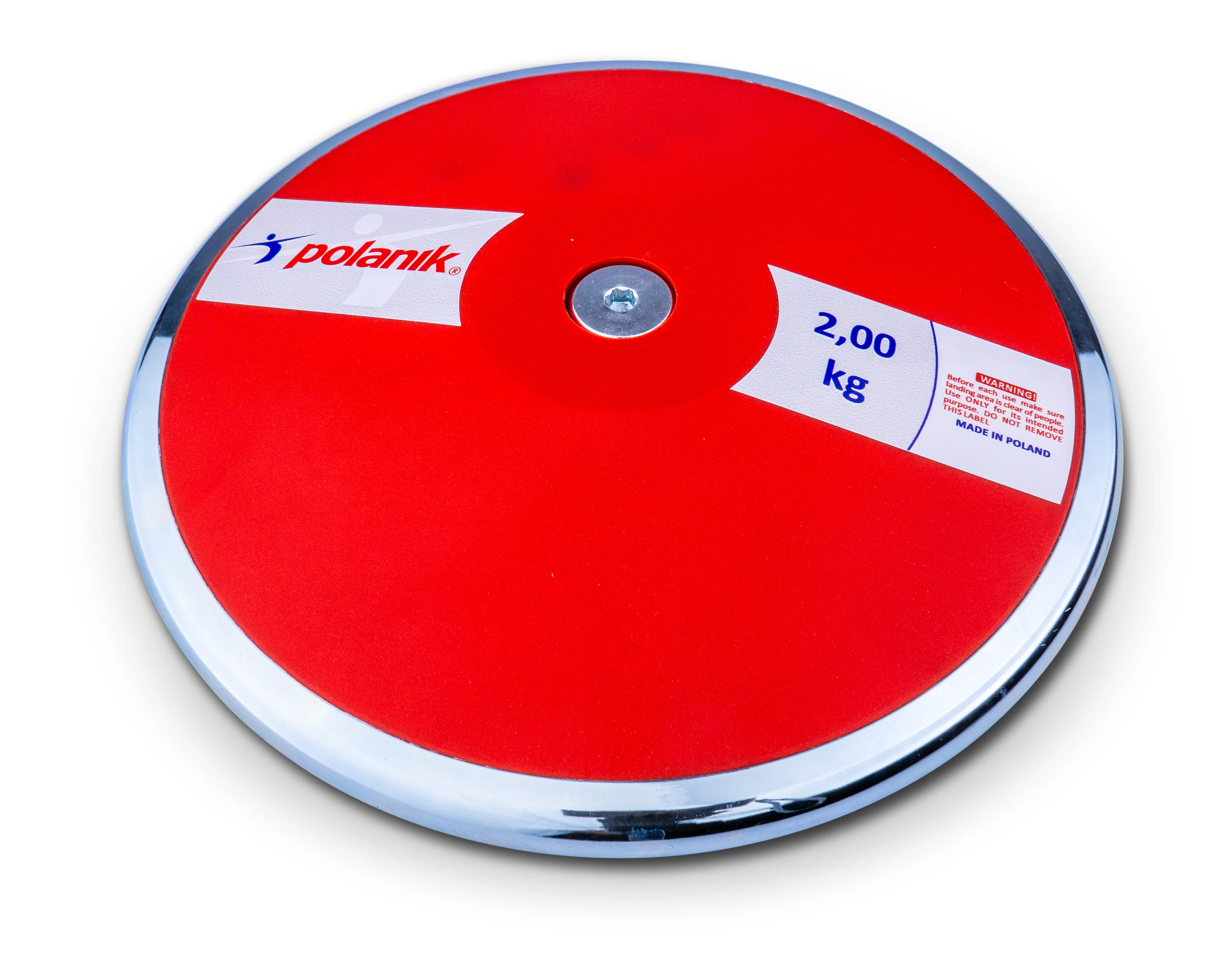
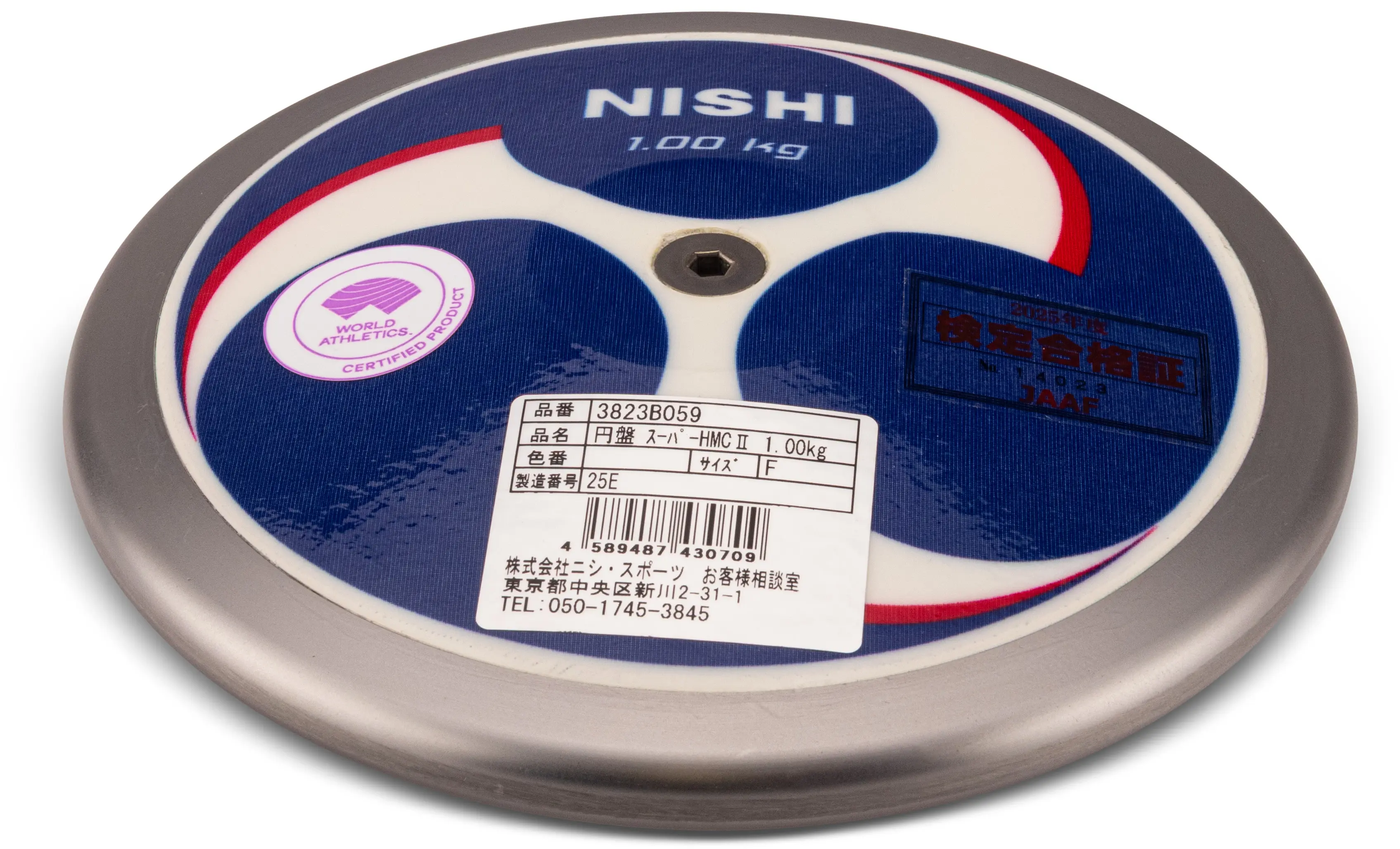
The majority of competition discuses are comprised of a side plate made from synthetic material. In this case, it is less about the type of synthetic material used and more about how the material has been worked or treated and how all of the components of the discus work together.

A quick look in our Full Athletics online store will show you that half of the competition discuses have center plates around the screw while the other half forego this element. The center plate is not necessary for the construction of the disc or for the way it behaves when thrown.
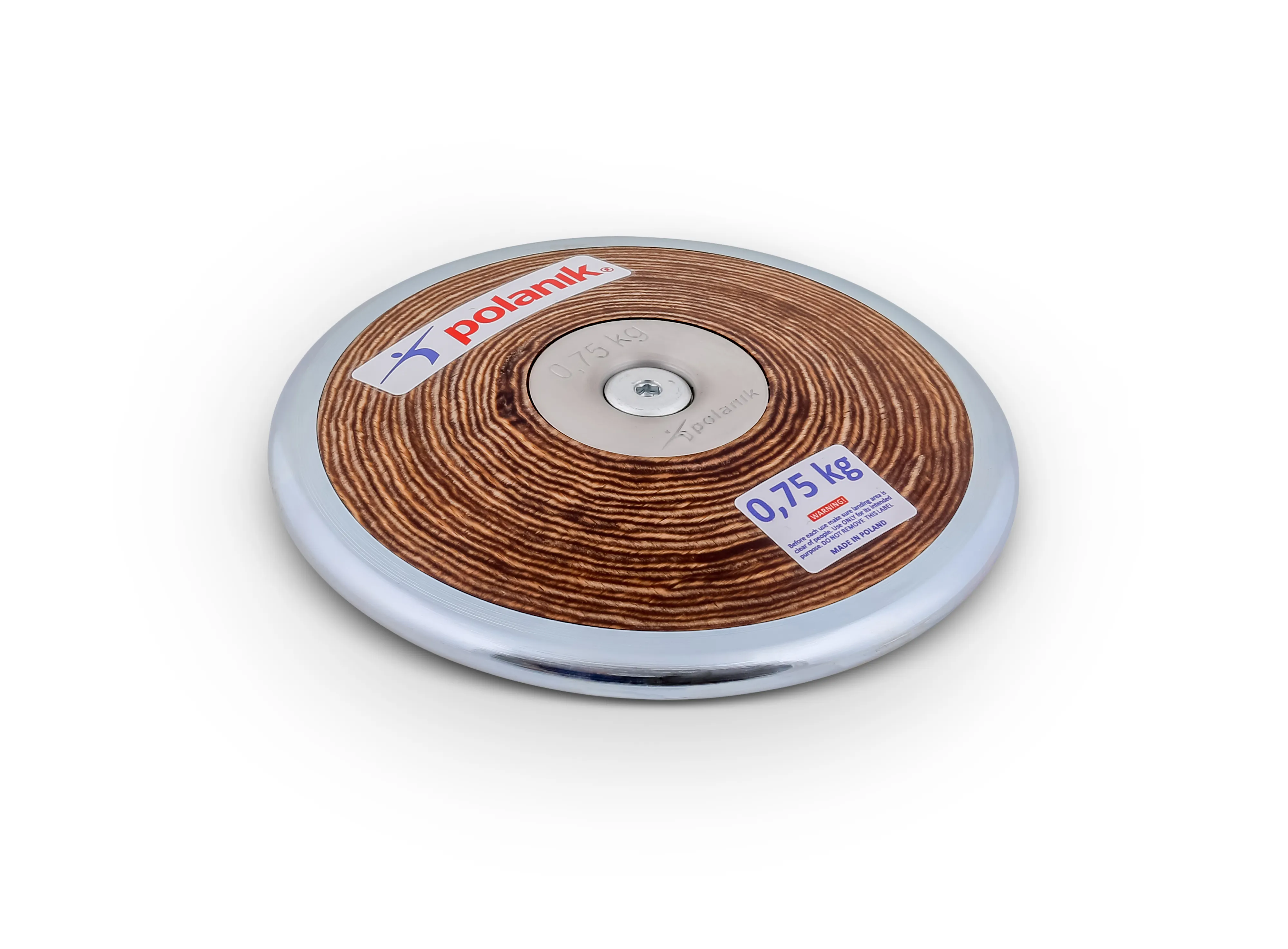
Why do some discuses have center plates? For a long time, discuses made from laminated plywood have been the standard. These discuses required a center plate. Most discuses nowadays have side plates made from synthetic material, thereby eliminating the need for a center plate.
Discuses with Training Weights in Competition Sizes
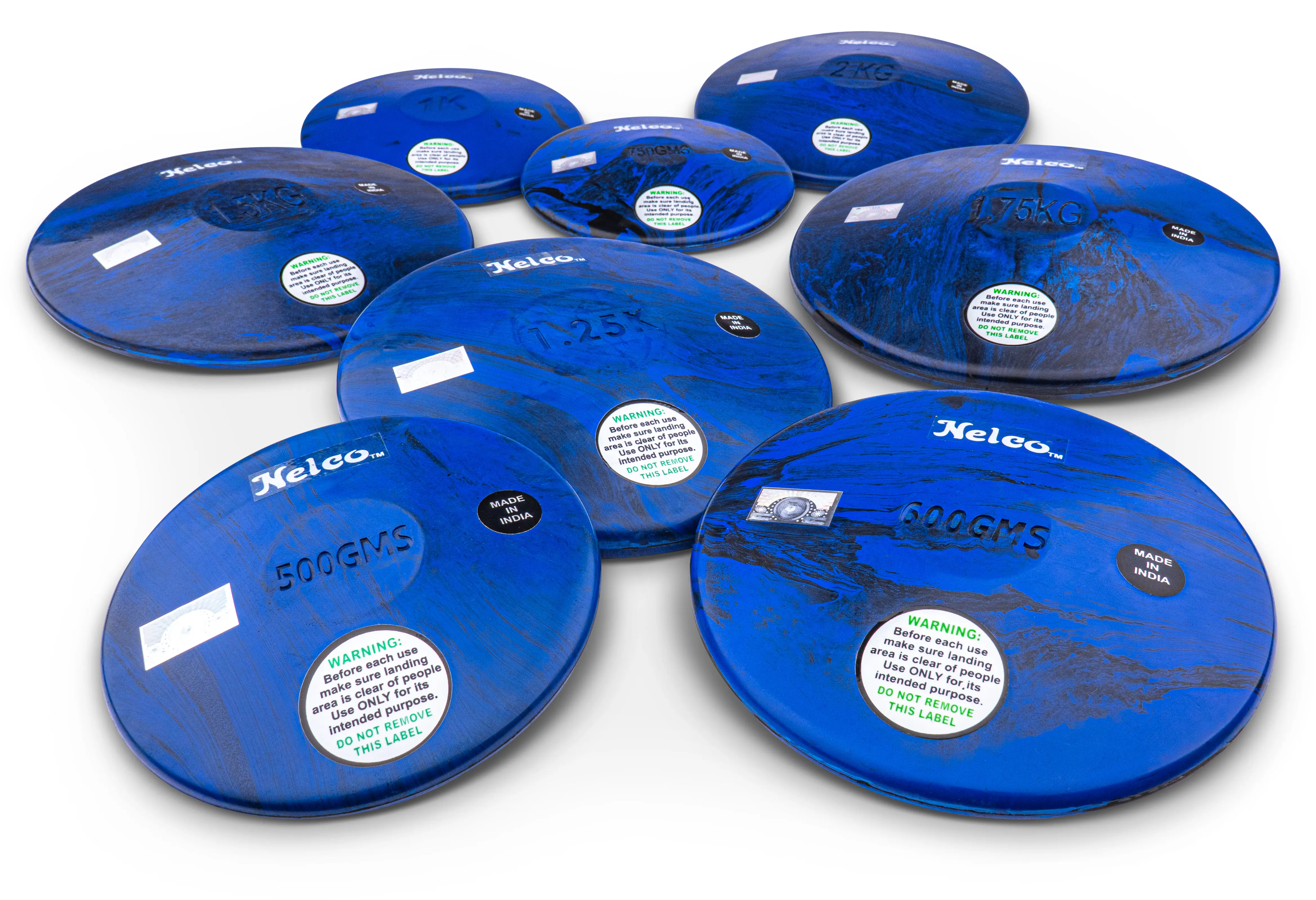
Advanced and professional throwers will require training equipment, alongside their standard discus or discuses. These will need to comply with competition regulations in terms of their size but may need to be lighter or heavier to better assist with competition preparation.

Our tip to help perfect your throwing technique:
Using tape, stick a contrasting cross on the discus. Use lighter tape for a darker discus and darker tape for a lighter-colored discus. By studying the movement of the cross as it moves in the air, it will be easier for you to examine the direction of rotation and the speed of the discus.
Have questions before making your discus purchase? Please get in touch! Our team of experts looks forward to helping you find the right piece of equipment for your sporting needs.
Are you interested in other throwing disciplines? Take a look in our athletics shop and discover what you may need for many other disciplines, including hammer throwing.